


Casual & Clean
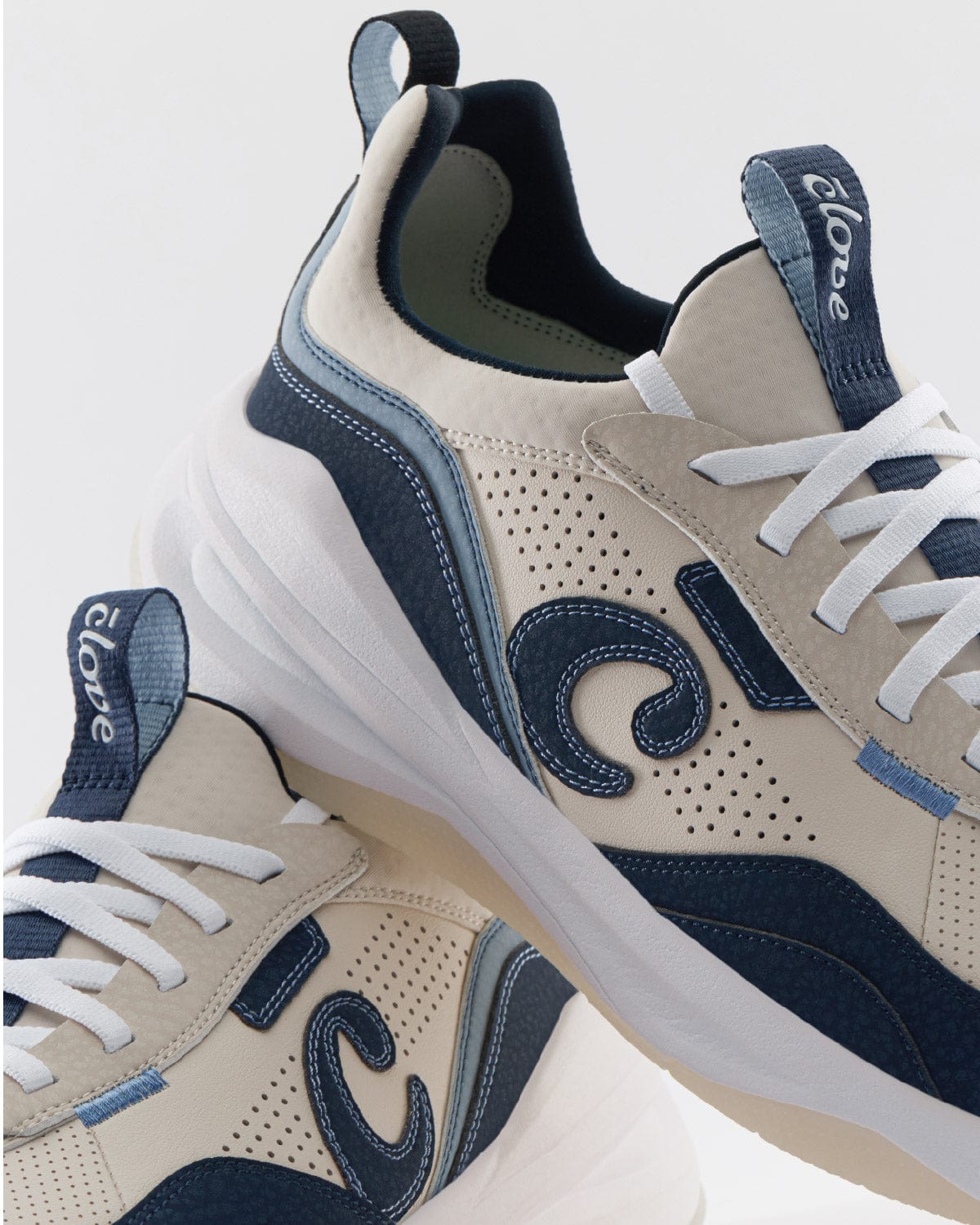
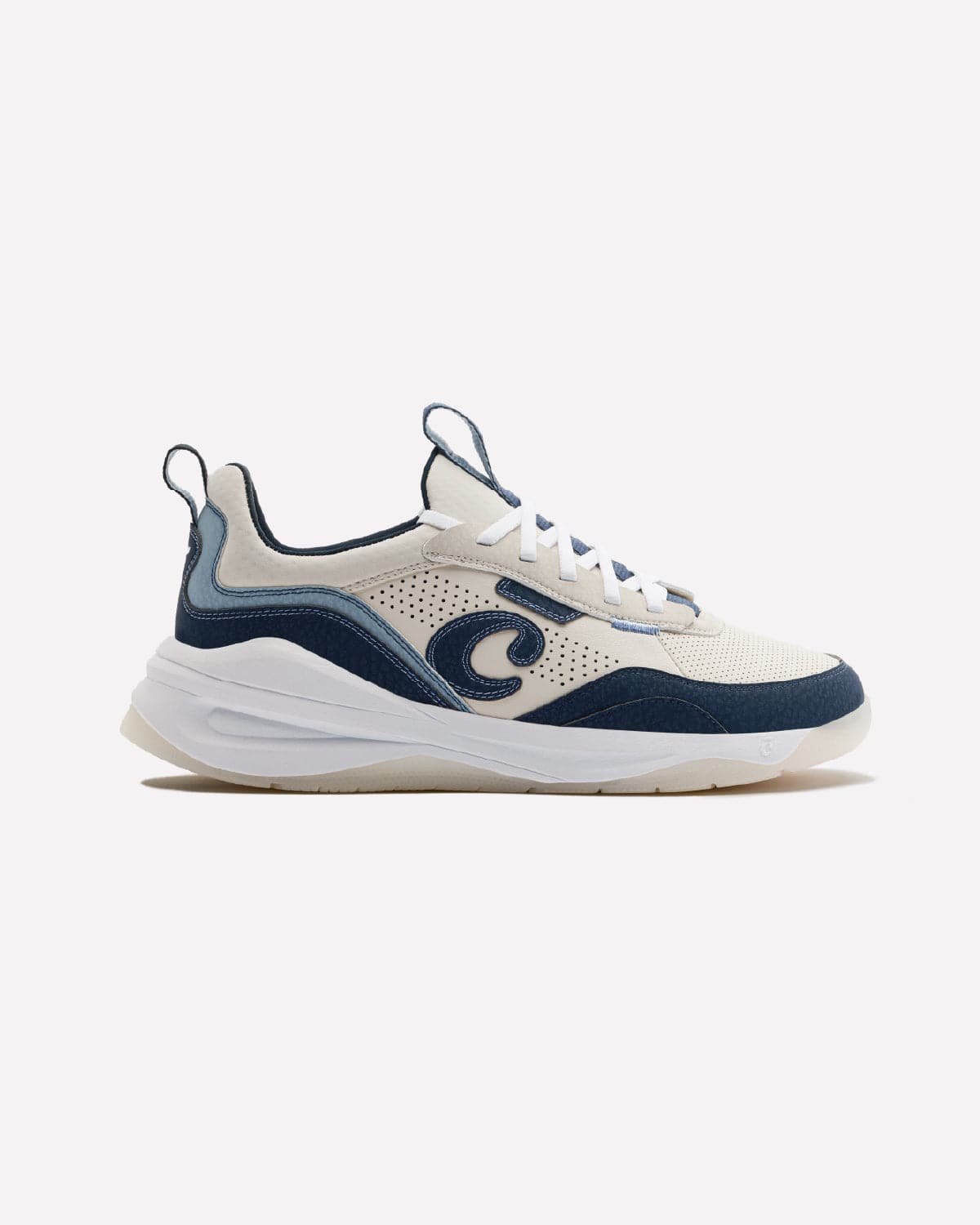


Casual & Clean
Professional & Clean
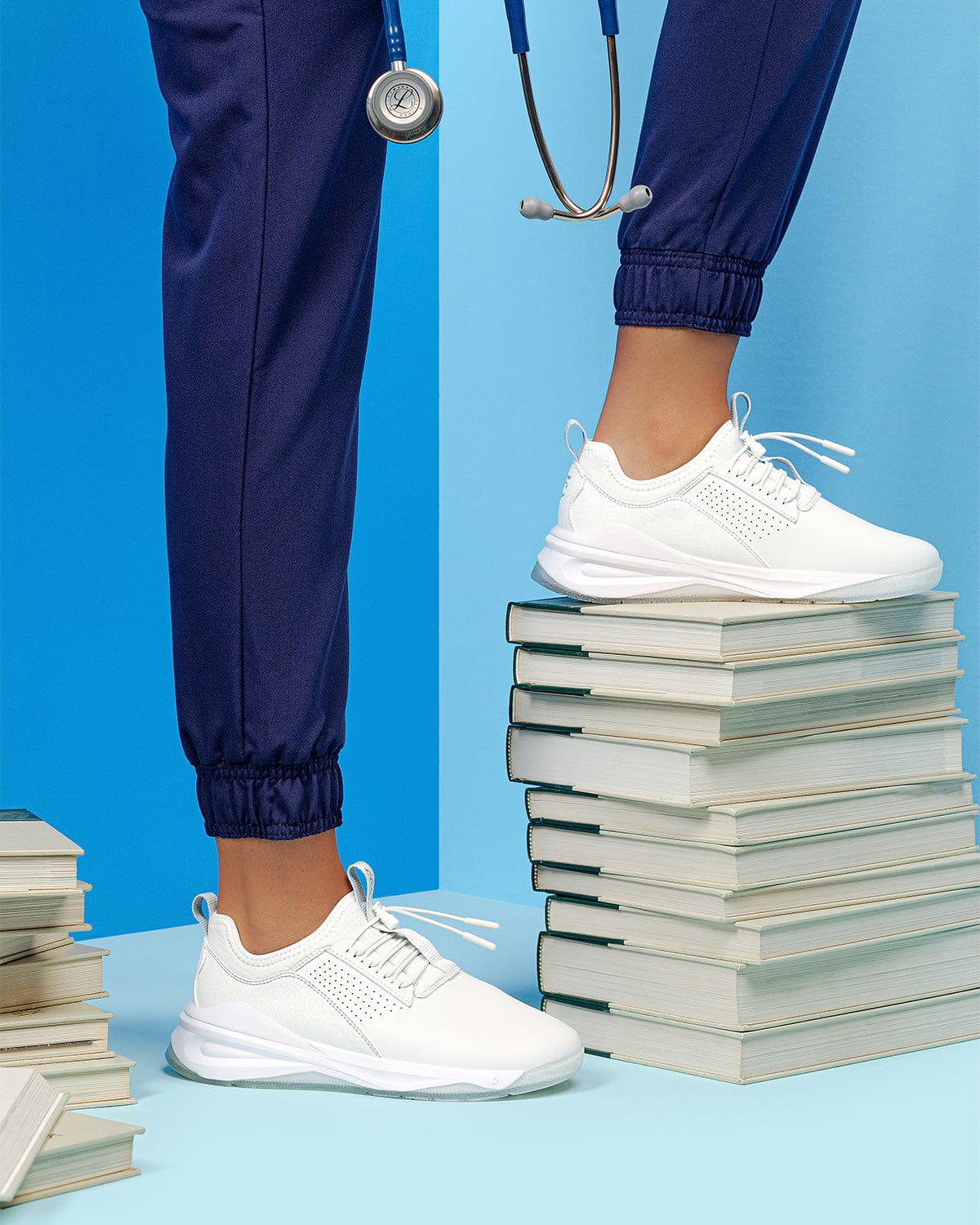
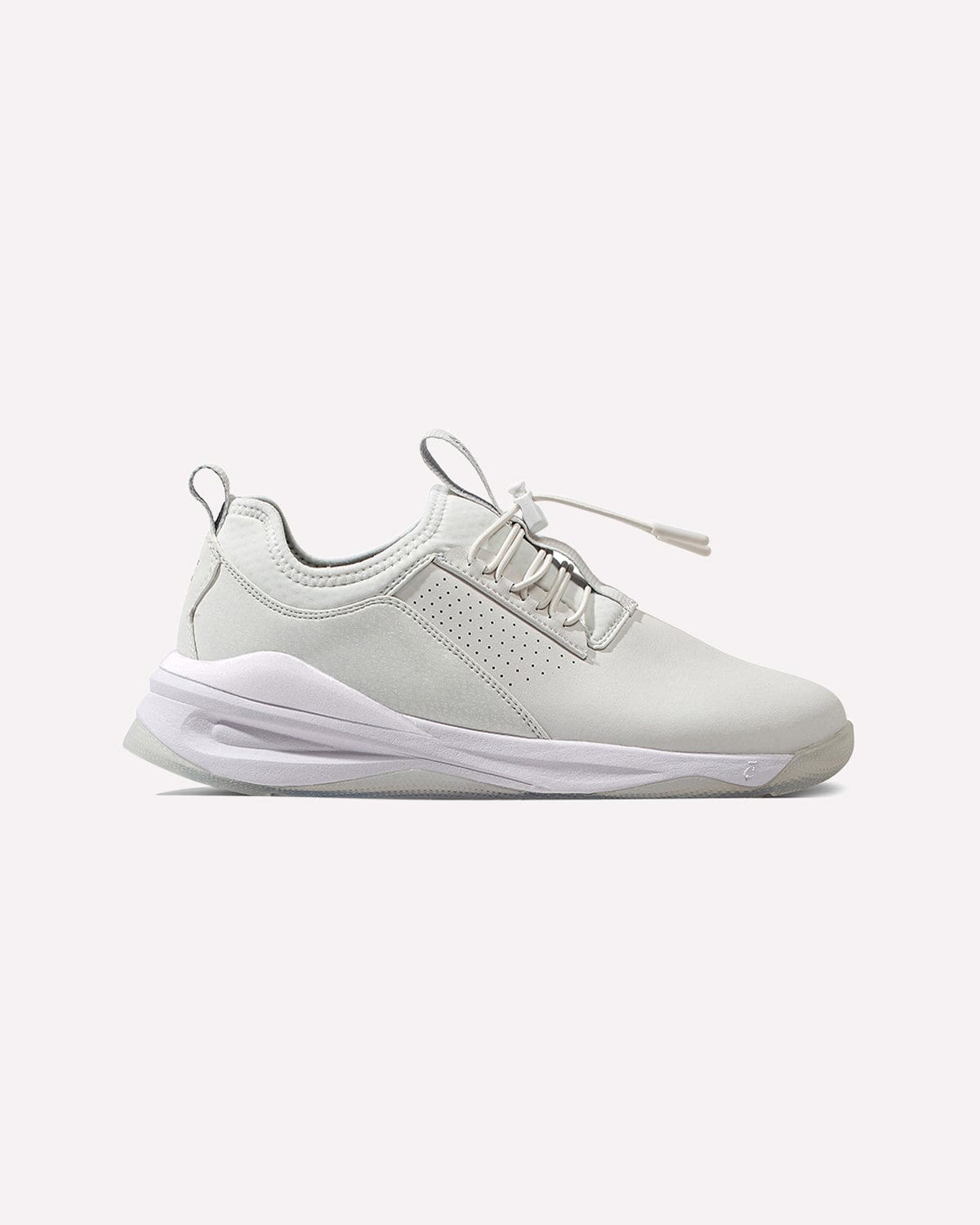


Cushioned & Clean
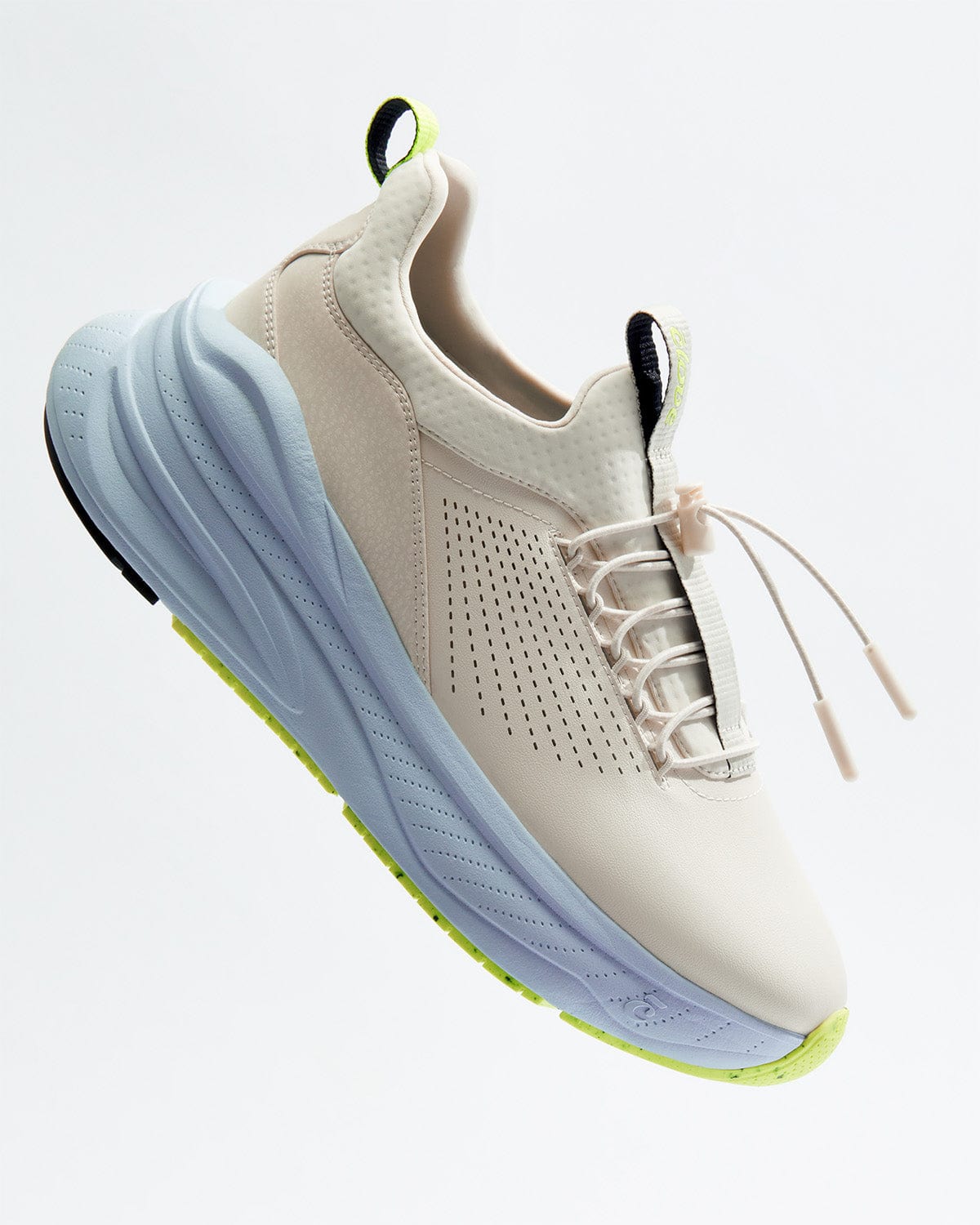
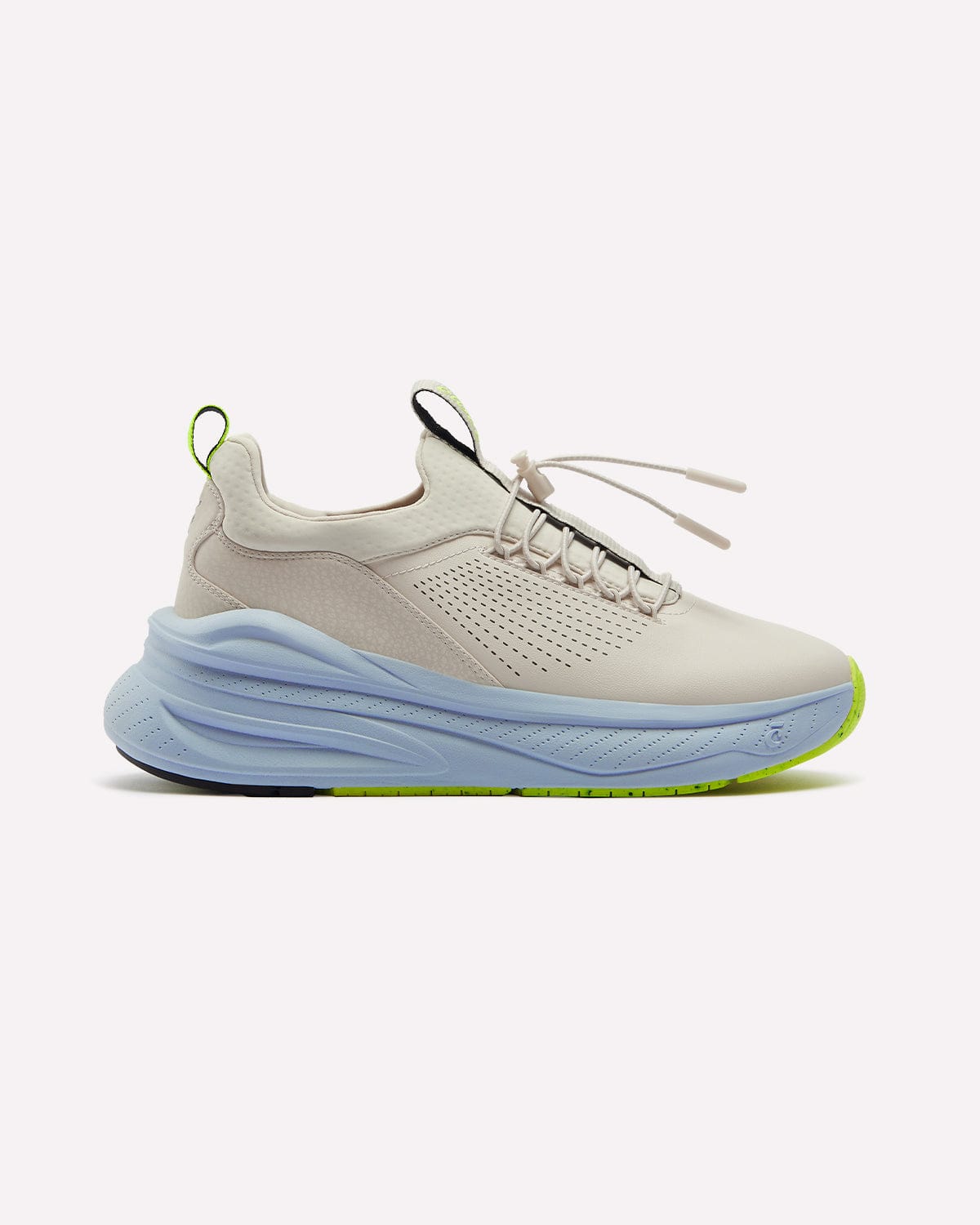


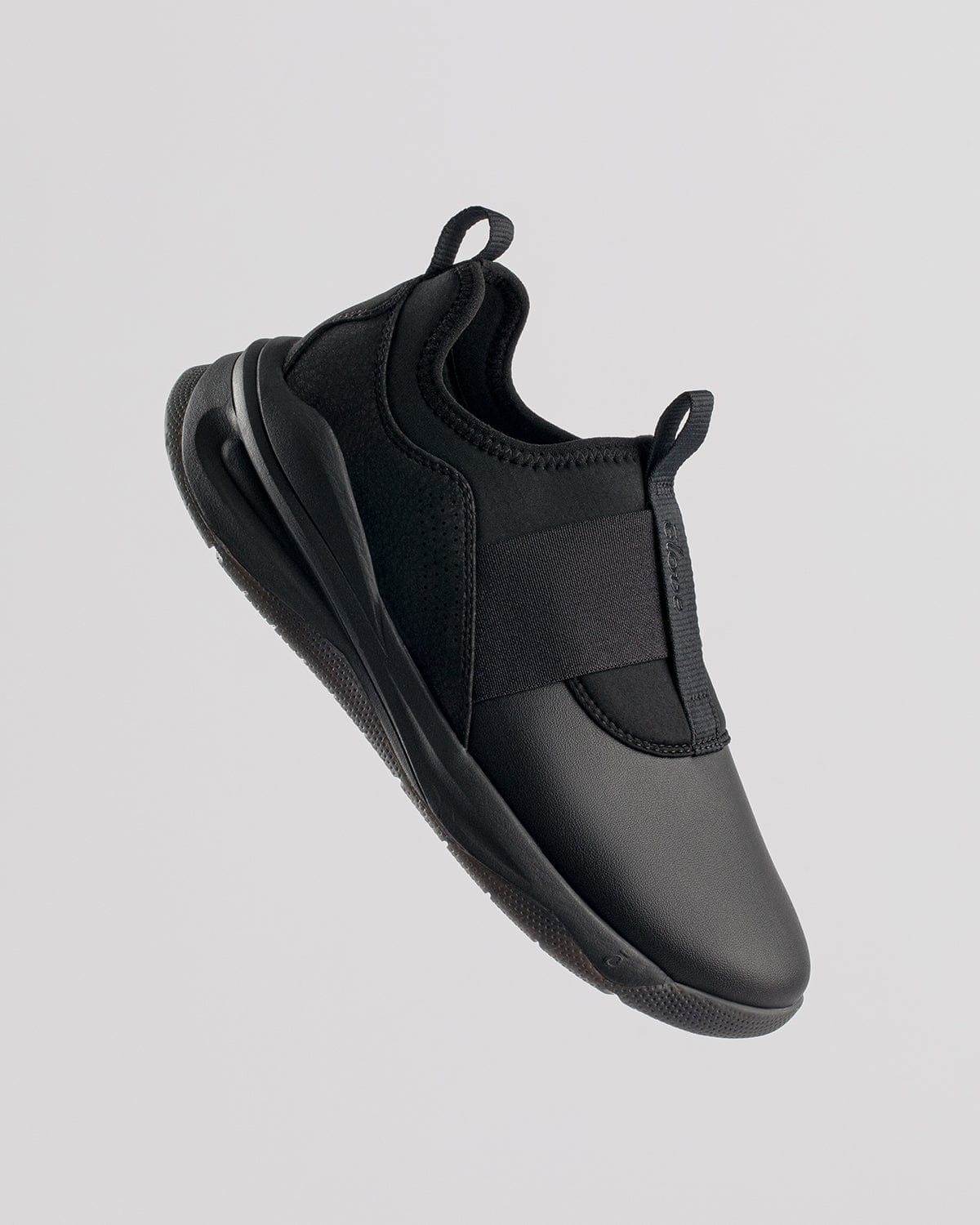
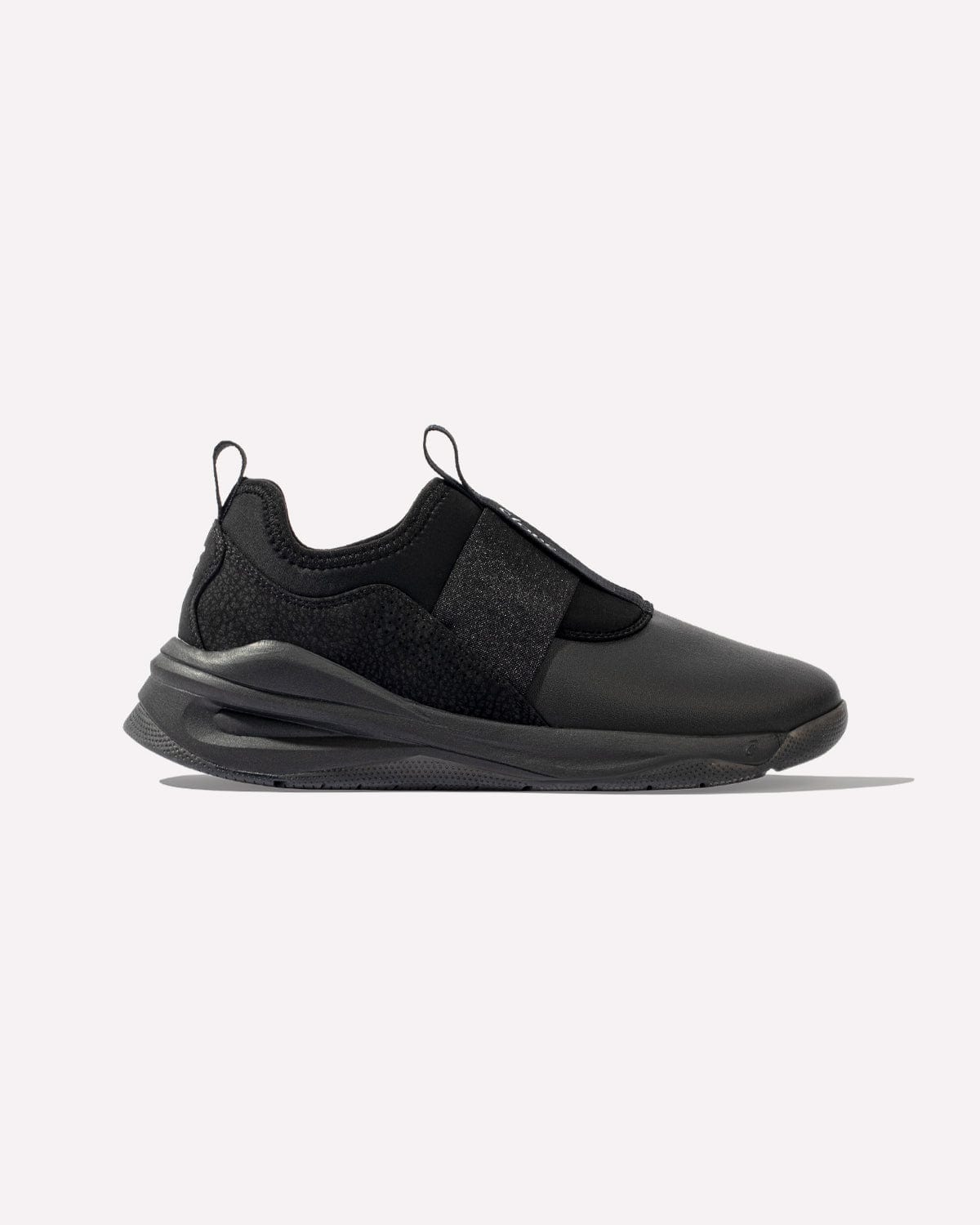


Shop the Meet the Staff Collection
Shop Now
Save $48 when you bundle shoes, socks, and underscrubs!
Shop Now
Discount automatically applied at checkout.
Free socks with purchase of any shoe!
Shop now
Sock selection available in cart.
Free Standard Shipping on all orders over $50.
Shop now
Automatically applied on qualified orders within the US.
$10 OFF Recovery Slides with purchase of any shoe.
Shop Now
Discount automatically applied at checkout.
Sign up for #WithLove Rewards and earn with every purchase!
Sign Up


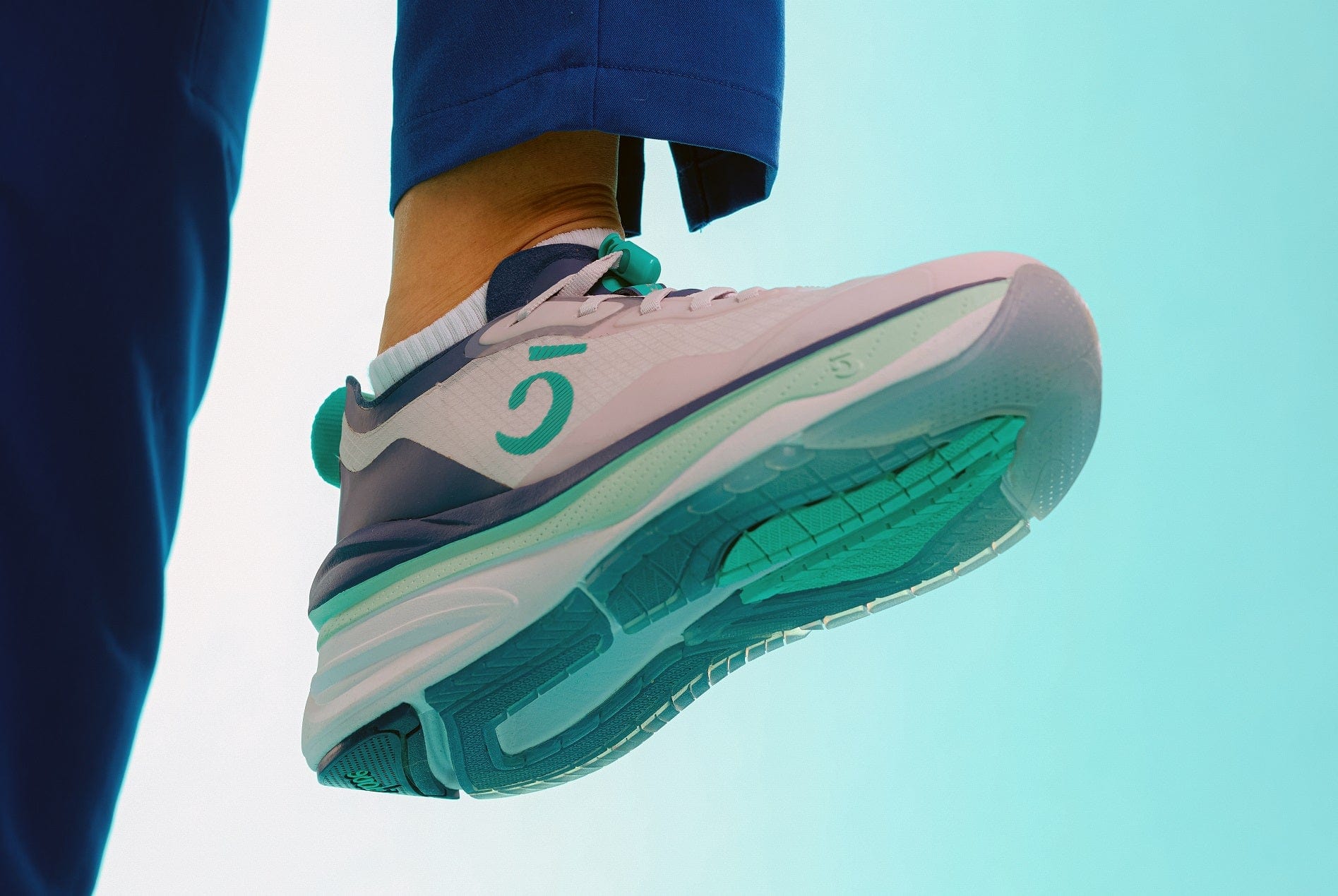
If you’re a nurse, your feet probably work harder than most people’s entire bodies. Long shifts. Hard floors. Constant movement. Quick pivots. Heavy equipment. Minimal downtime.
While soreness might feel inevitable, many common foot issues can be prevented (or at least minimized) with the right footwear and a few smart habits.
Here are the five foot problems nurses experience most often, and what actually helps keep them in check.
Nurses log thousands of steps per shift on unforgiving surfaces. Unlike runners who train for bursts of activity and recovery, nurses often stay on their feet for hours without meaningful breaks. Shoes compress. Support breaks down. Feet swell. Alignment shifts.
Over time, small stressors turn into real pain.
The good news: Most of these issues can be solved with supportive, stable footwear designed specifically for healthcare environments.
If your first steps in the morning feel like stepping on broken glass, plantar fasciitis may be the culprit. It’s caused by inflammation of the thick tissue that runs along the bottom of your foot and connects your heel to your toes.
Nurses are especially vulnerable due to prolonged standing and repetitive impact on hard floors.
How to prevent it:
Look for strong arch support and a deep heel cup.
Prioritize shock-absorbing cushioning that doesn’t flatten mid-shift.
Replace worn-out nursing shoes before support breaks down.
How Clove helps:
Forte 2 uses proprietary Cush Foam Formulation™ and a Contour Comfort insole for enhanced heel and arch support.
Strada features the Clove Contour Comfort System with deeper heel contouring and arch support.
Classic Core provides balanced dual-density cushioning for reliable everyday support.
That heavy, achy feeling in your feet halfway through a shift? That’s fatigue from repeated impact and collapsing cushioning. Once midsoles lose structure, your muscles compensate, which can accelerate exhaustion.
How to prevent it:
Choose nursing shoes with cushioning that maintains shape under long wear.
Avoid overly soft foam that sinks instead of supporting.
Keep footwear lightweight to reduce overall load.
How Clove helps:
Classic Core delivers all-day comfort without sacrificing stability.
Forte 2 offers max cushioning designed to reduce fatigue during long hours of standing or walking.
Strada balances lightweight comfort with everyday durability for on- and off-shift wear.
Tight toe boxes, stiff seams, moisture buildup, and foot swelling create friction. That can turn into blisters and irritated skin faster than you’d think.
How to prevent it:
Make sure your shoes fit properly, with room for natural swelling.
Look for breathable materials that soften over time.
Choose closure systems that secure without creating pressure points.
How Clove helps:
Clarino™ vegan leather softens with wear while staying durable and easy to clean.
Elastic no-tie laces (Classic Core), slip-on construction (Forte 2), and lace lock systems (Strada) reduce pressure and friction.
Wide-width options are available in Classic Core and Forte 2 for nurses who need extra room.
Hospital floors are unpredictable: sanitizer spills, freshly mopped corridors, wet entryways. Poor traction increases the risk of falls and forces your body into constant micro-adjustments that fatigue muscles and joints.
How to prevent it:
Always choose certified slip-resistant footwear.
Look for a stable base and secure fit.
Avoid smooth or worn-down outsoles.
How Clove helps:
All Clove nursing shoes are ASTM F3445 certified slip-resistant.
Outsoles provide grip without squeaking, keeping you confident and steady on busy floors.
Flat feet, overpronation, or weak arch support can cause pain not just in your feet, but in your knees, hips, and lower back. When alignment breaks down, your entire body pays the price.
How to prevent it:
Choose nurse shoes with built-in arch contouring and structured midsoles.
Avoid shoes that collapse under your weight.
Make sure your shoes provide lateral stability.
How Clove helps:
Forte 2 and Strada include Contour Comfort systems designed to support natural alignment.
Classic Core offers dual-density support for balanced stability.
EE wide options add platform stability for nurses who need extra room.
Balanced comfort and durability. Easy to clean, slip-resistant, and available in wide widths for a supportive everyday workhorse.
Max cushioning and enhanced protection. Cush Foam Formulation™, Contour Comfort insole, durable Clarino bumper, and slip-on design built for long shifts.
Lifestyle-inspired comfort with healthcare DNA. Waterproof Clarino™, Contour Comfort System, slip-resistant outsole, and easy slip-on versatility for work and beyond.
The right nursing shoes do most of the work, but these habits help extend comfort and prevent injury:
Stretch calves and arches daily.
Rotate between two pairs of shoes when possible.
Replace work shoes every 6–12 months.
Wear compression socks to reduce swelling and improve circulation.
Avoid going barefoot at home if you’re managing foot pain.
Your feet carry you through every patient interaction, every hallway sprint, every long charting session. Taking care of them isn’t optional; it’s part of staying healthy in a physically demanding profession.
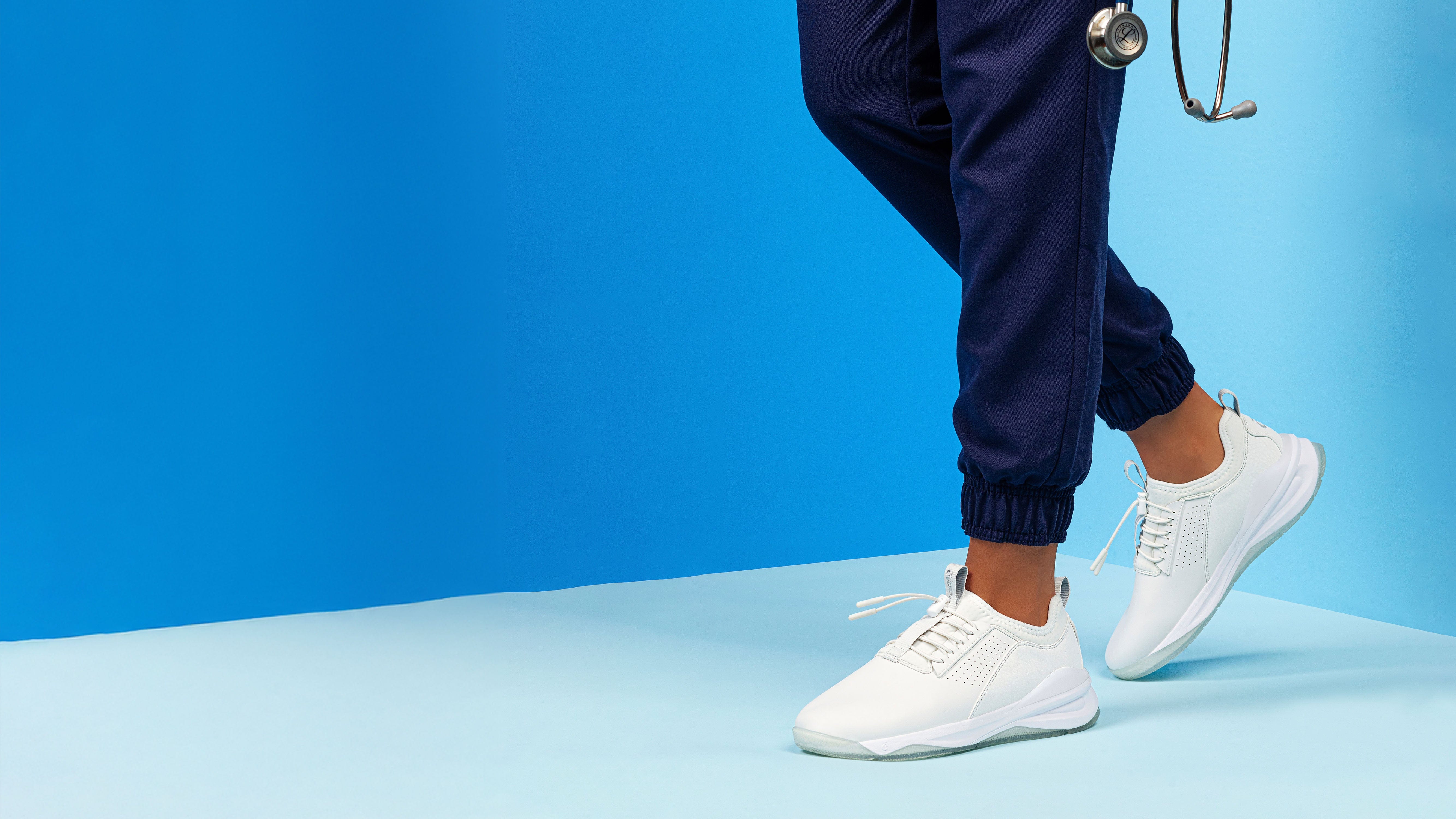
Nursing Shoes for Plantar Fasciitis: What to Look For & How to Find Relief
A study from 2019 found that 13% of nurses experienced plantar fasciitis over a seven-year period, a significantly higher prevalence than in the general population, according to the National Instit...
Read more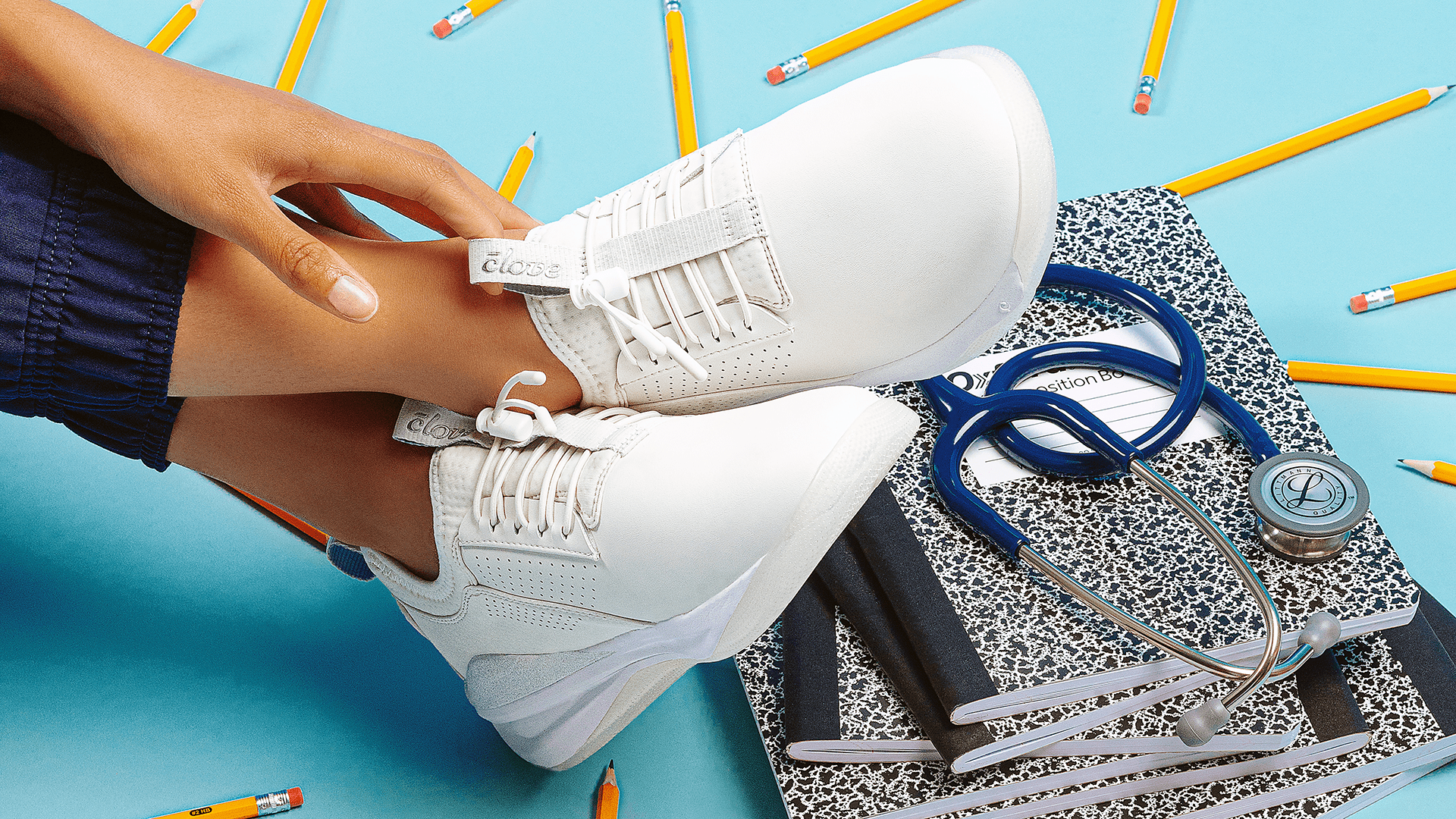
10 Nursing School Essentials (What You’ll Actually Use on Day One)
Nursing school is exciting, but it can also be intense. Long days, early mornings, clinical rotations, endless studying, and a crash course in time management—all at once. The good news? A little p...
Read more
