


Casual & Clean


Casual & Clean
Professional & Clean



Cushioned & Clean
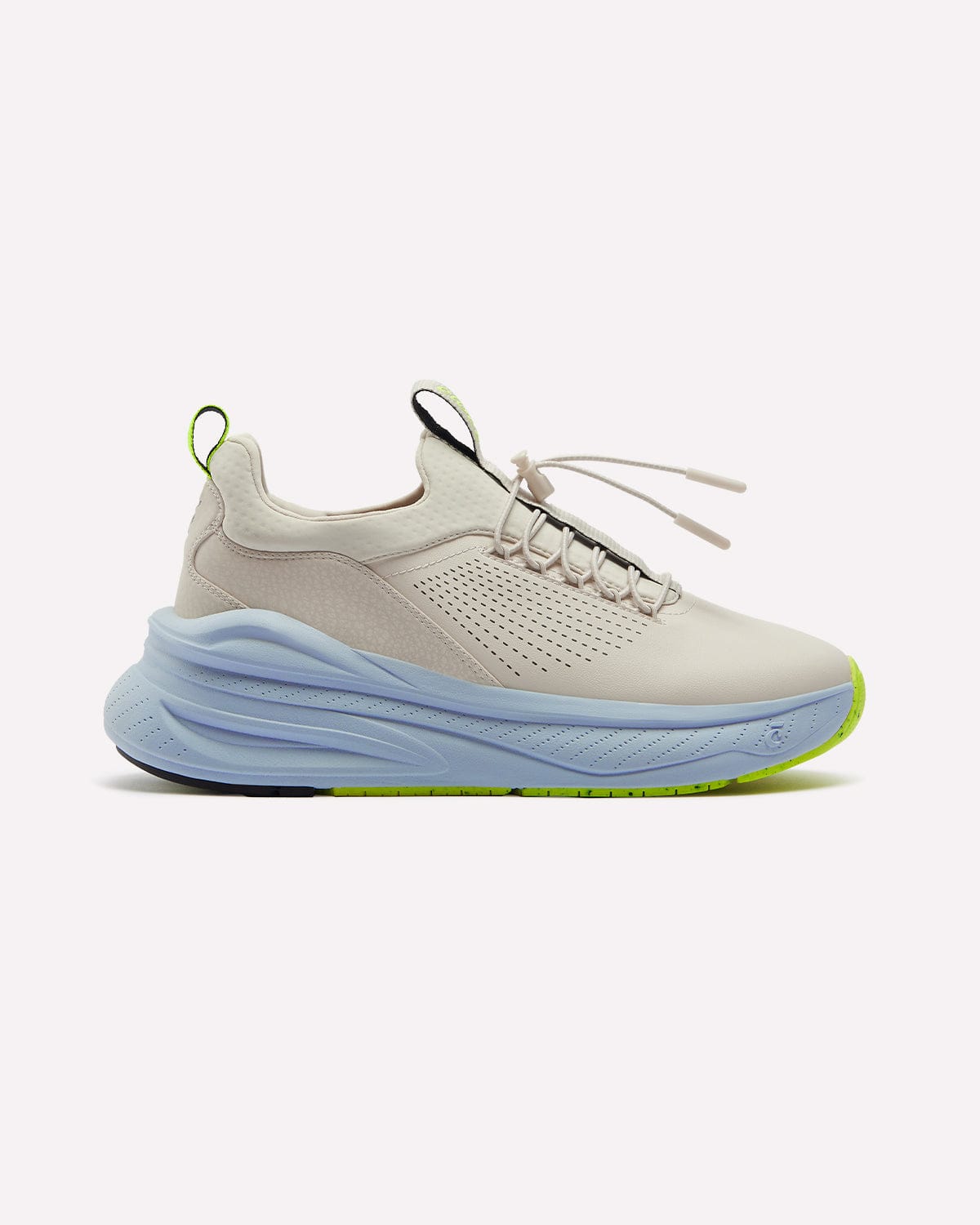


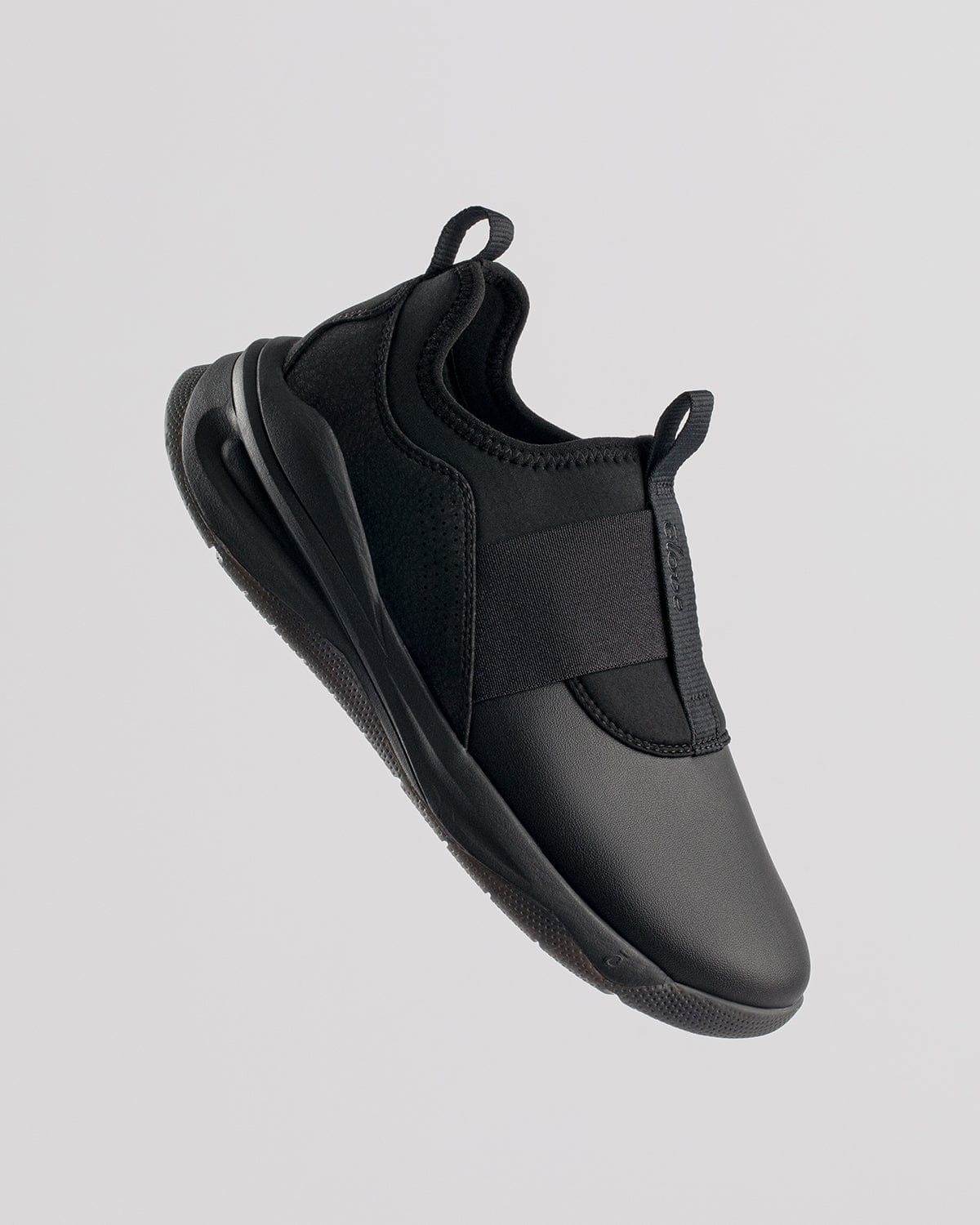
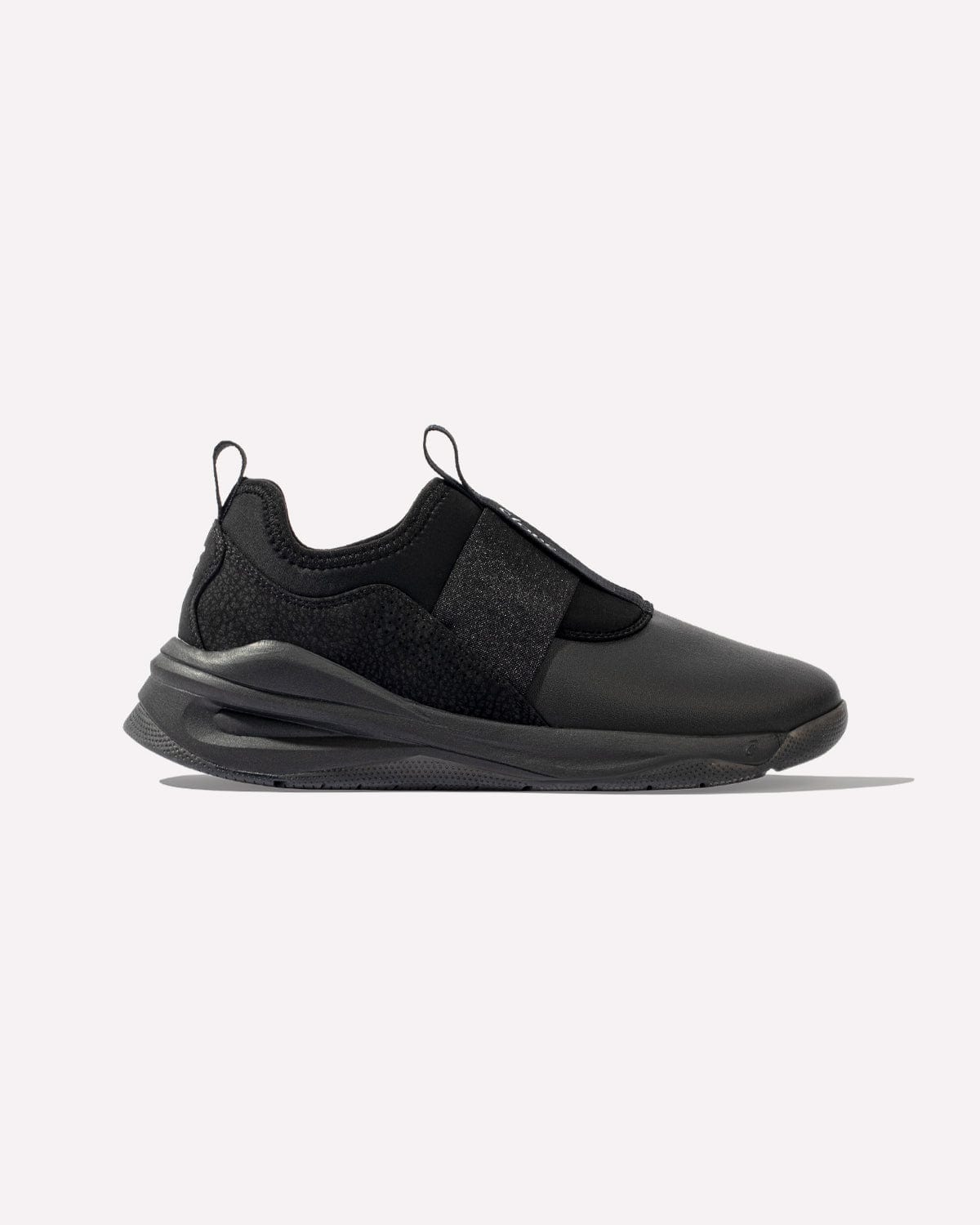


Shop the Meet the Staff Collection
Shop Now
Save $48 when you bundle shoes, socks, and underscrubs!
Shop Now
Discount automatically applied at checkout.
Free socks with purchase of any shoe!
Shop now
Sock selection available in cart.
Free Standard Shipping on all orders over $50.
Shop now
Automatically applied on qualified orders within the US.
$10 OFF Recovery Slides with purchase of any shoe.
Shop Now
Discount automatically applied at checkout.
Sign up for #WithLove Rewards and earn with every purchase!
Sign Up


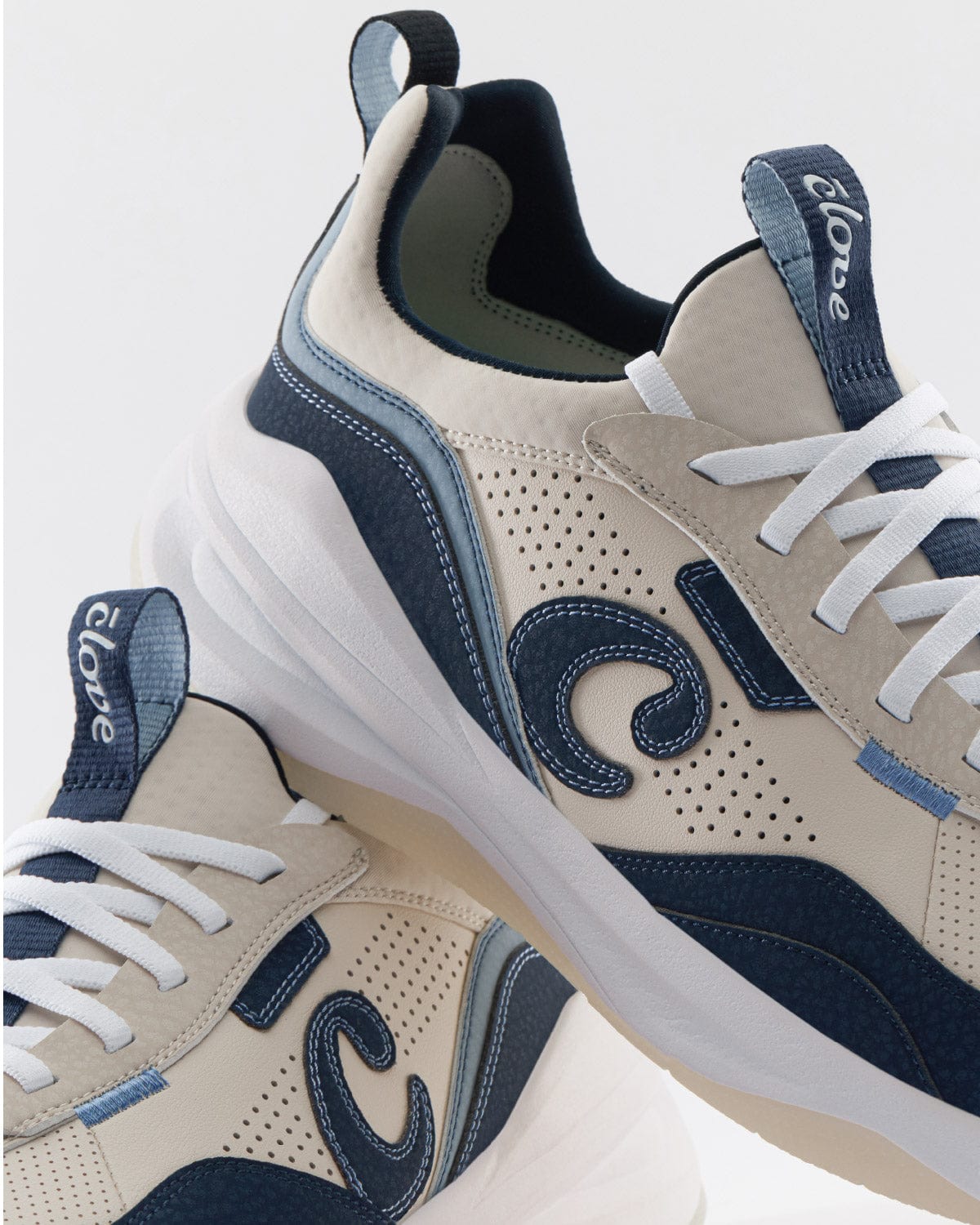
If you’re a nurse, your shoes probably work harder than most people’s gym memberships. And yet, many nurses wear the same pair of shoes far longer than they should. Not because they want to, but because the shoes still look okay.
The problem is that the most important parts of a nursing shoe break down invisibly: cushioning, support, and traction.
If your feet hurt more than they used to, or your shoes feel flat, it’s time for a replacement. Here’s how long nursing shoes actually last, how to recognize the warning signs, and why replacing them on time protects more than just your comfort.
Most nurses walk anywhere from 5 to 10 miles per shift, sometimes more, depending on the unit and workload. That kind of mileage compresses foam, flattens support structures, and wears down outsoles faster than casual use ever would.
As a general guideline:
Daily wear (4–5 shifts per week): Replace every 6–9 months
Rotated pairs or lighter use: Replace every 9–12 months
Several factors can influence lifespan:
Gait pattern
How often you rotate shoes
Floor hardness (tile and concrete accelerate wear)
Cleaning frequency and drying methods
Quality of construction and materials
Even the best nursing shoes aren’t meant to last forever. They’re safety equipment, not collectibles.
If you’re seeing any of these, your shoes are likely past their prime.
New heel pain, arch soreness, knee discomfort, or lower back fatigue often signal collapsing support, not aging joints.
If the shoe no longer rebounds when you press into the midsole, shock absorption is gone.
Traction wears down gradually, until one day you notice your footing feels less secure.
If your foot rolls inward more than it used to, or balance feels off, midsole structure has broken down.
Once materials degrade internally, bacteria and moisture become harder to eliminate.
Structural damage affects alignment and durability, even if the shoes still “work.”
Even if nothing looks wrong, the internal support is likely compromised.
Old nursing shoes don’t just feel uncomfortable; they increase risk.
Flattened cushioning amplifies impact on joints and connective tissue.
Worn traction raises slip-and-fall risk, especially on wet hospital floors.
Collapsed support contributes to plantar fasciitis, arch pain, and alignment issues.
Fatigue accumulation affects posture, reaction time, and overall performance.
Replacing your nursing shoes proactively is preventative care—the kind your feet appreciate immediately.
You can’t stop wear and tear completely, but you can follow these tips to slow it down:
Rotate between two pairs to allow foam to fully rebound between shifts.
Let shoes dry naturally—avoid heaters or dryers that break down materials.
Clean regularly to prevent bacteria buildup and material degradation.
Store in breathable spaces, not sealed gym bags.
Replace insoles if applicable, but don’t rely on inserts to fix collapsed midsoles.
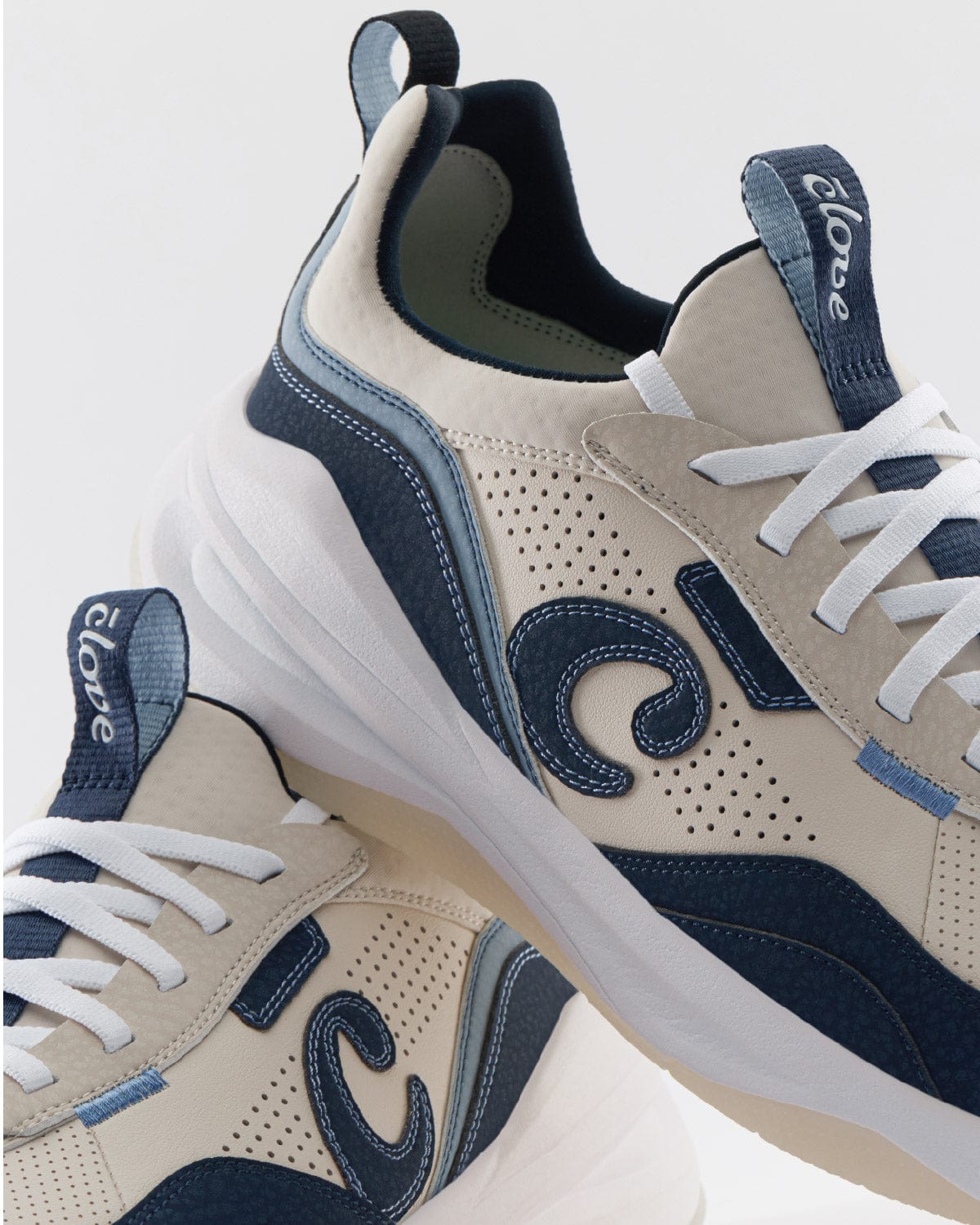
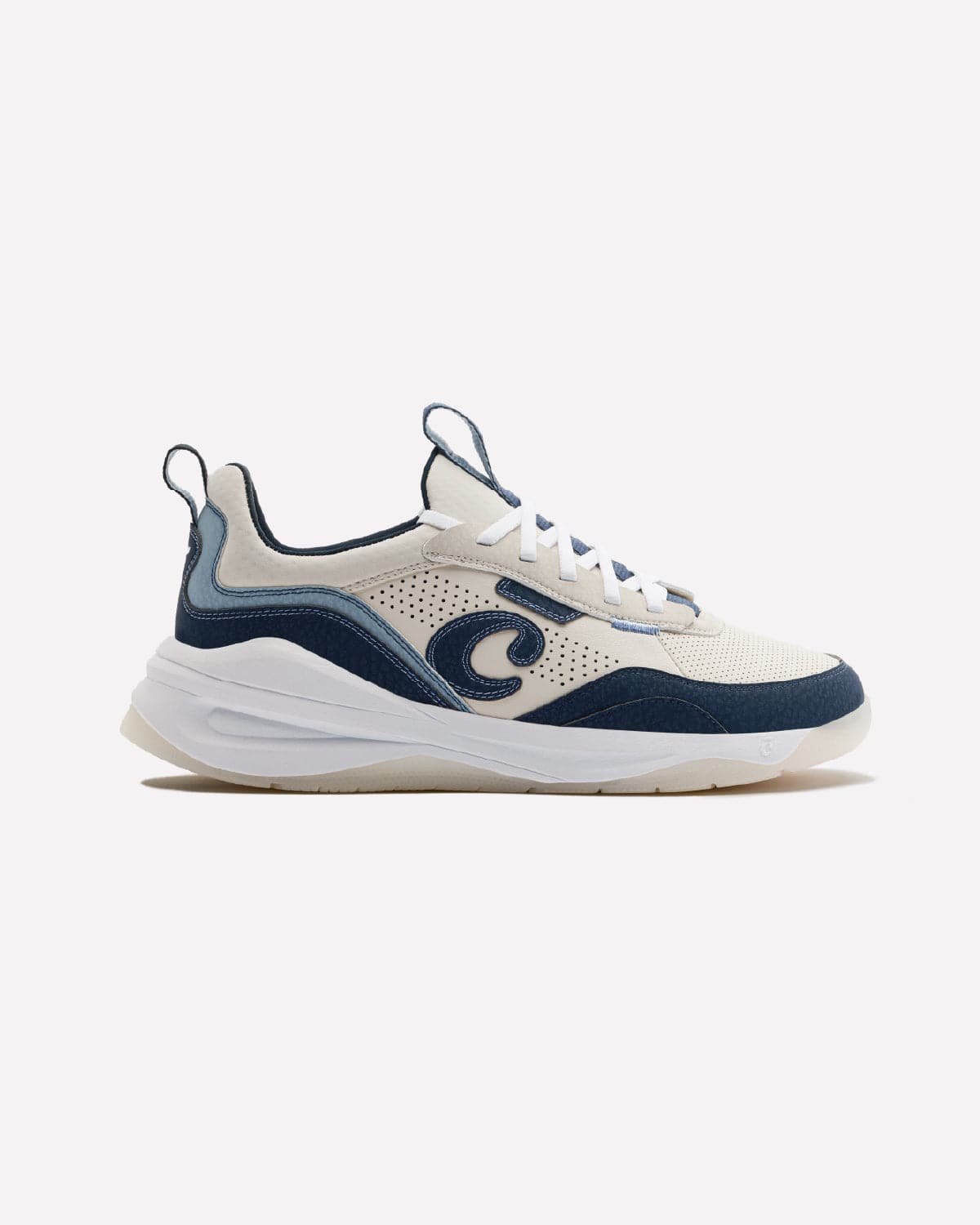
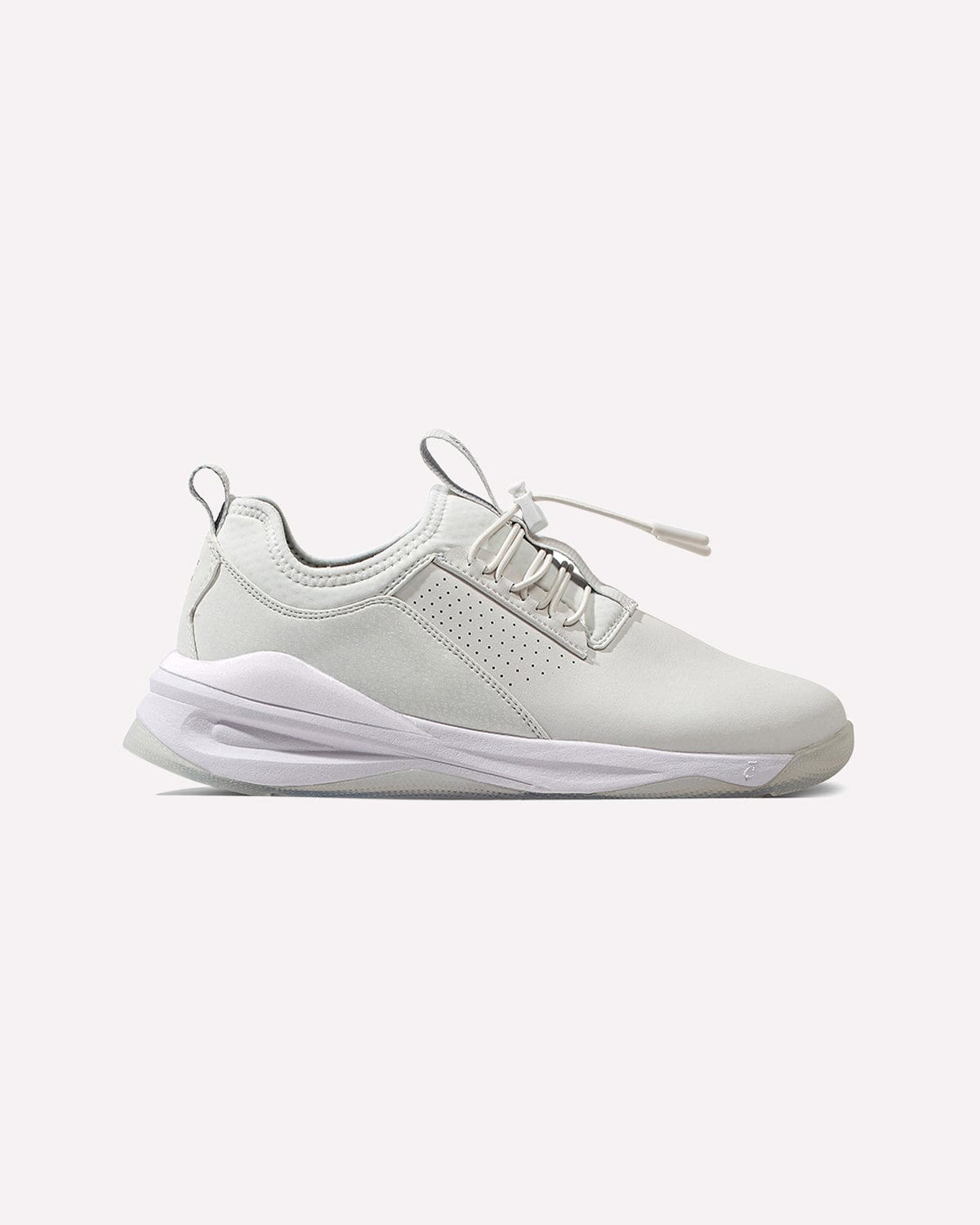
Clove nursing shoes are engineered specifically for healthcare demands, not casual wear or gym sessions.
Durable Clarino™ vegan leather resists cracking and absorbs less moisture.
Easy cleanability preserves materials over time.
Stable outsole maintains consistent traction.
Reinforced Clarino™ bumper protects high-wear toe zones and prevents creasing.
Proprietary Cush Foam Formulation™ resists compression and fatigue.
Neoprene ankle cuff reduces friction breakdown.
Waterproof Clarino™ softens with wear without degrading.
Built for daily movement beyond the hospital.
Slip-resistant outsole engineered for longevity and safety.
Here’s a handy cheat sheet:
Heavy use: Replace every 6–9 months
Moderate use or rotation: Replace every 9–12 months
Any sign of pain, traction loss, or instability: Replace immediately
If your nursing shoes are part of what keeps you safe and functional at work, waiting until failure is never the best strategy.
Nursing shoes protect your joints, your balance, your energy, and your ability to perform at your best. When they’re worn out, your body absorbs the consequences.
Replacing them on time isn’t indulgent. It’s smart maintenance for the most overworked tool you own.
10 Nursing School Essentials (What You’ll Actually Use on Day One)
Nursing school is exciting, but it can also be intense. Long days, early mornings, clinical rotations, endless studying, and a crash course in time management—all at once. The good news? A little p...
Read more
What to Look for in Doctor Shoes: 7 Essentials for Long Days on Your Feet
Whether you’re rounding for hours, standing through surgery, or moving between departments all day, one thing is constant: you’re on your feet. Doctors and surgeons often log 10–14 hour days in env...
Read more
