


Casual & Clean
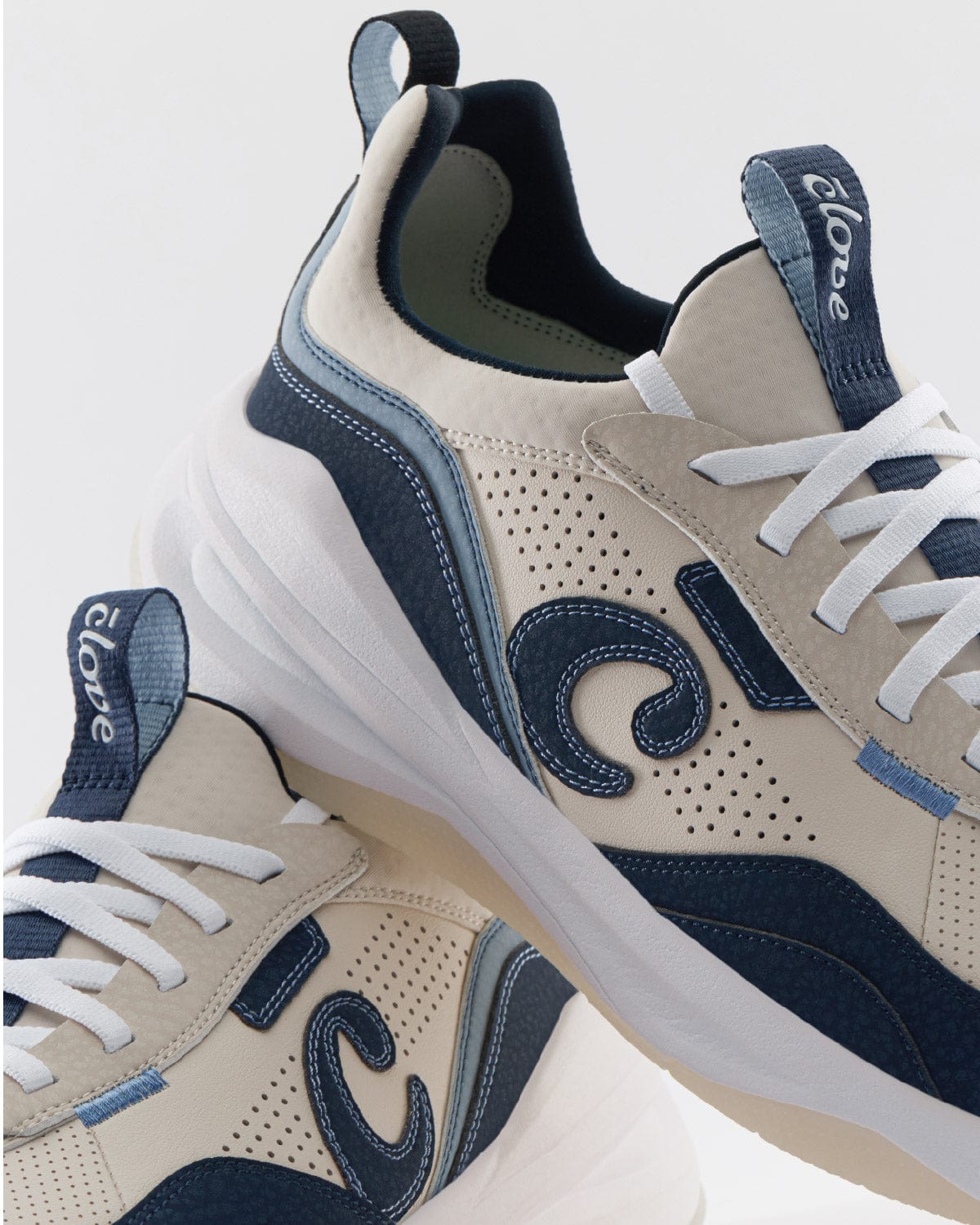
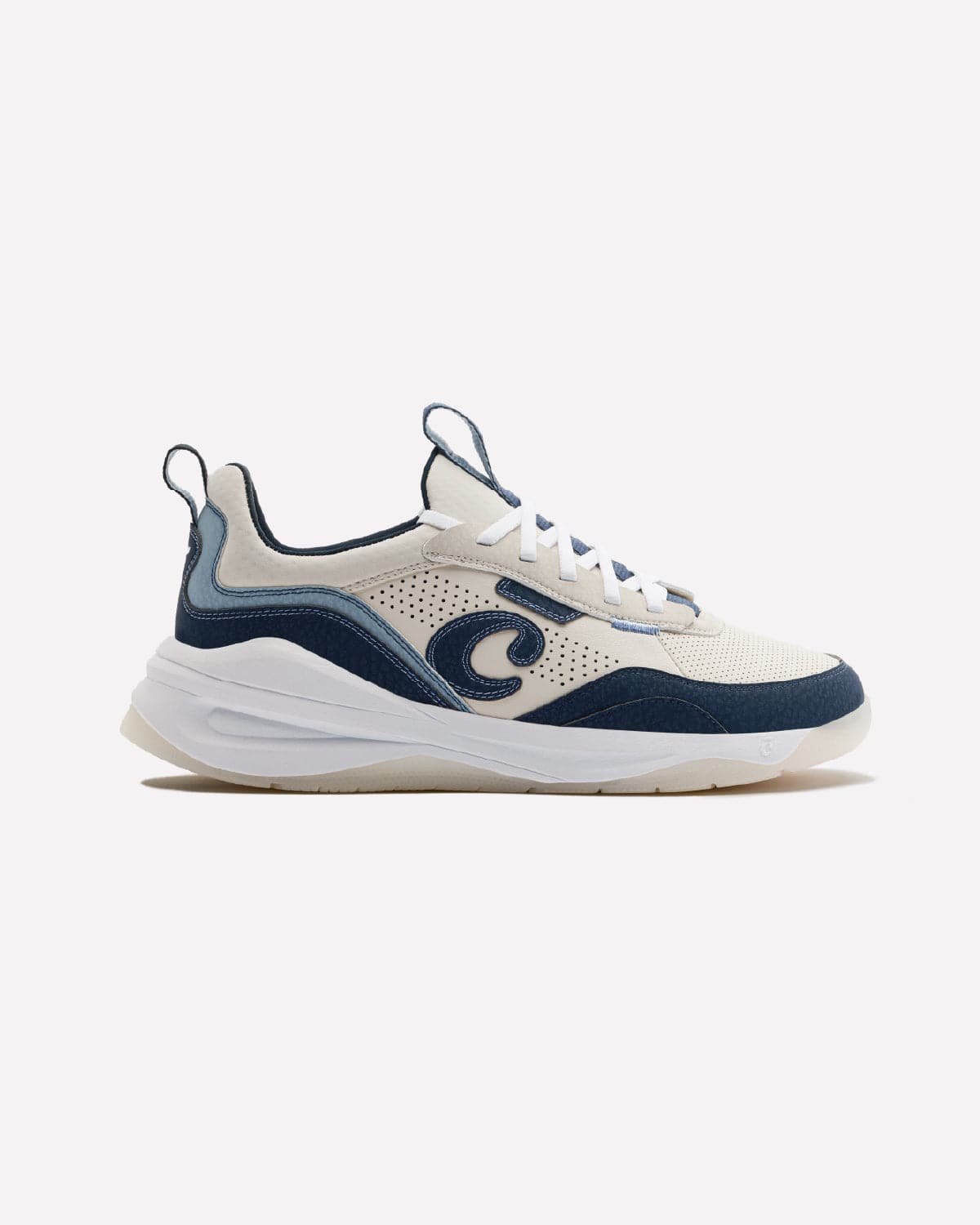


Casual & Clean
Professional & Clean
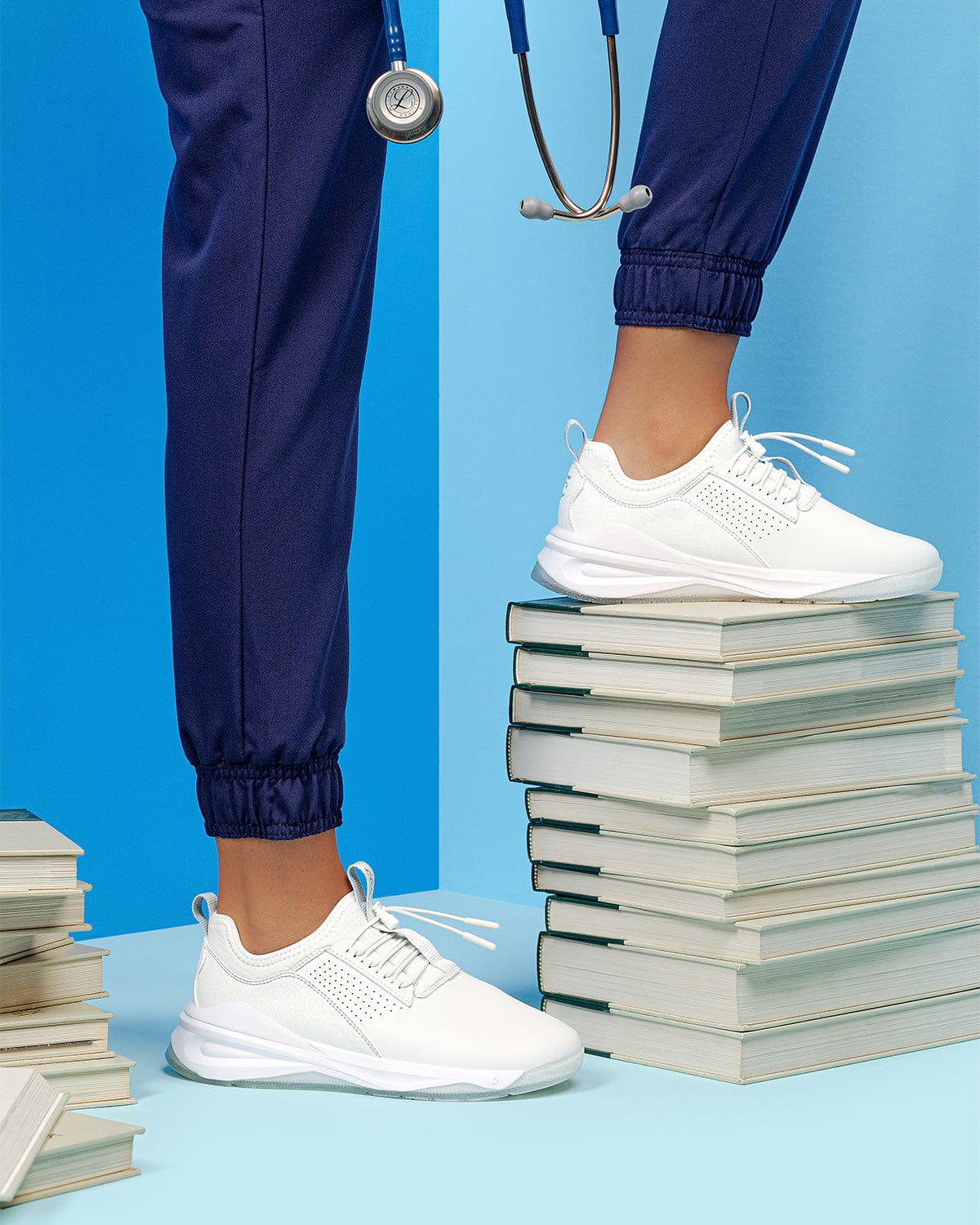
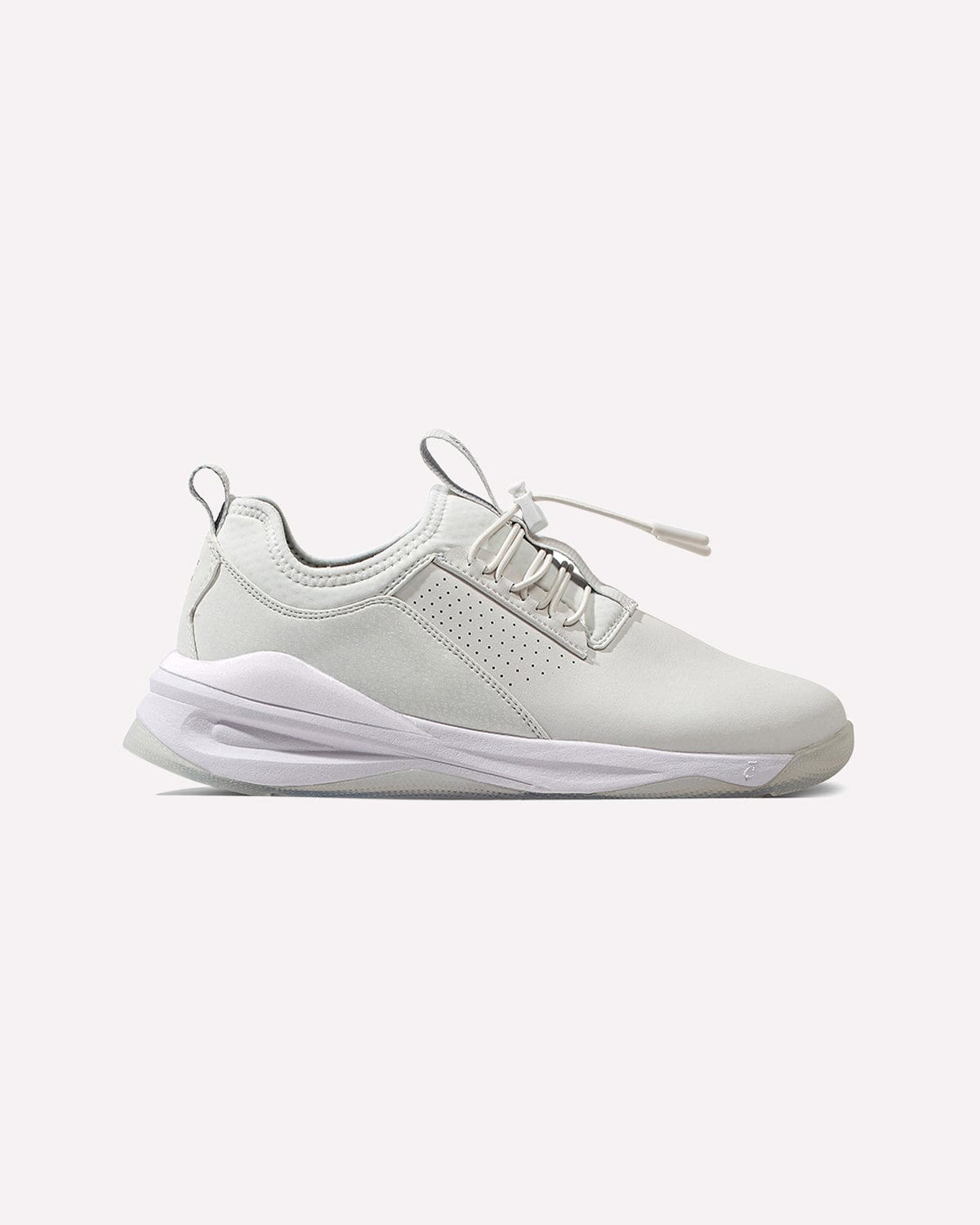


Cushioned & Clean
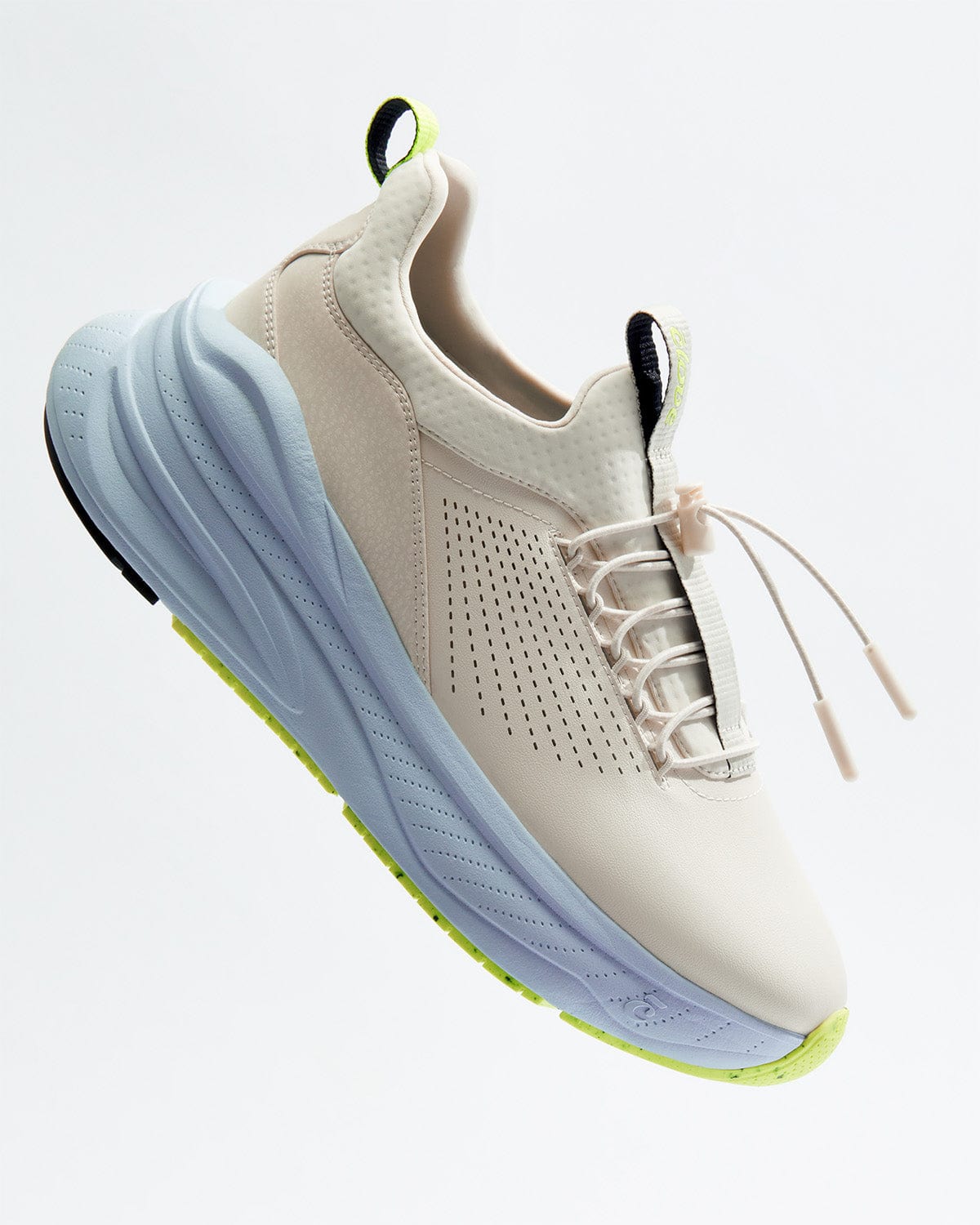
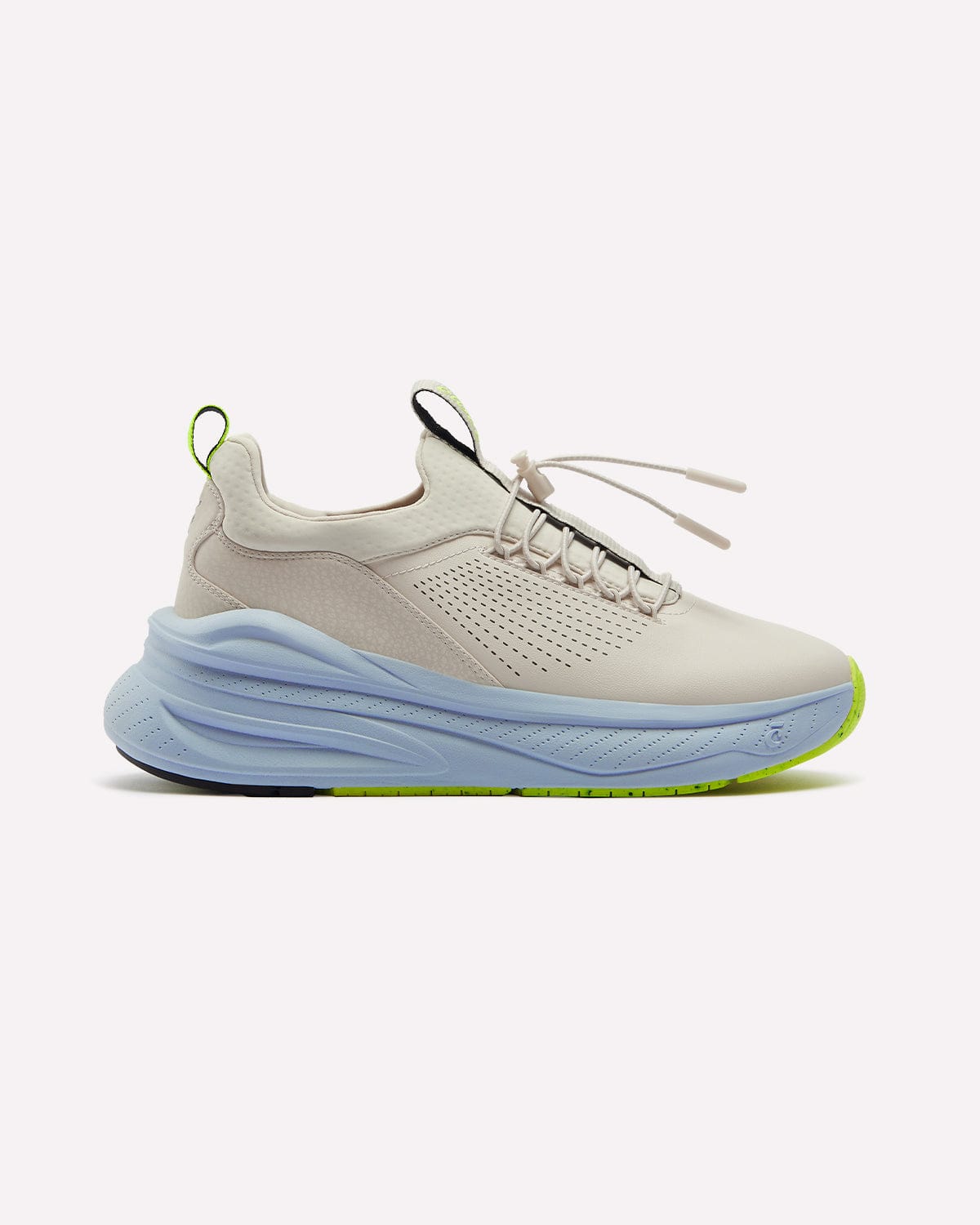


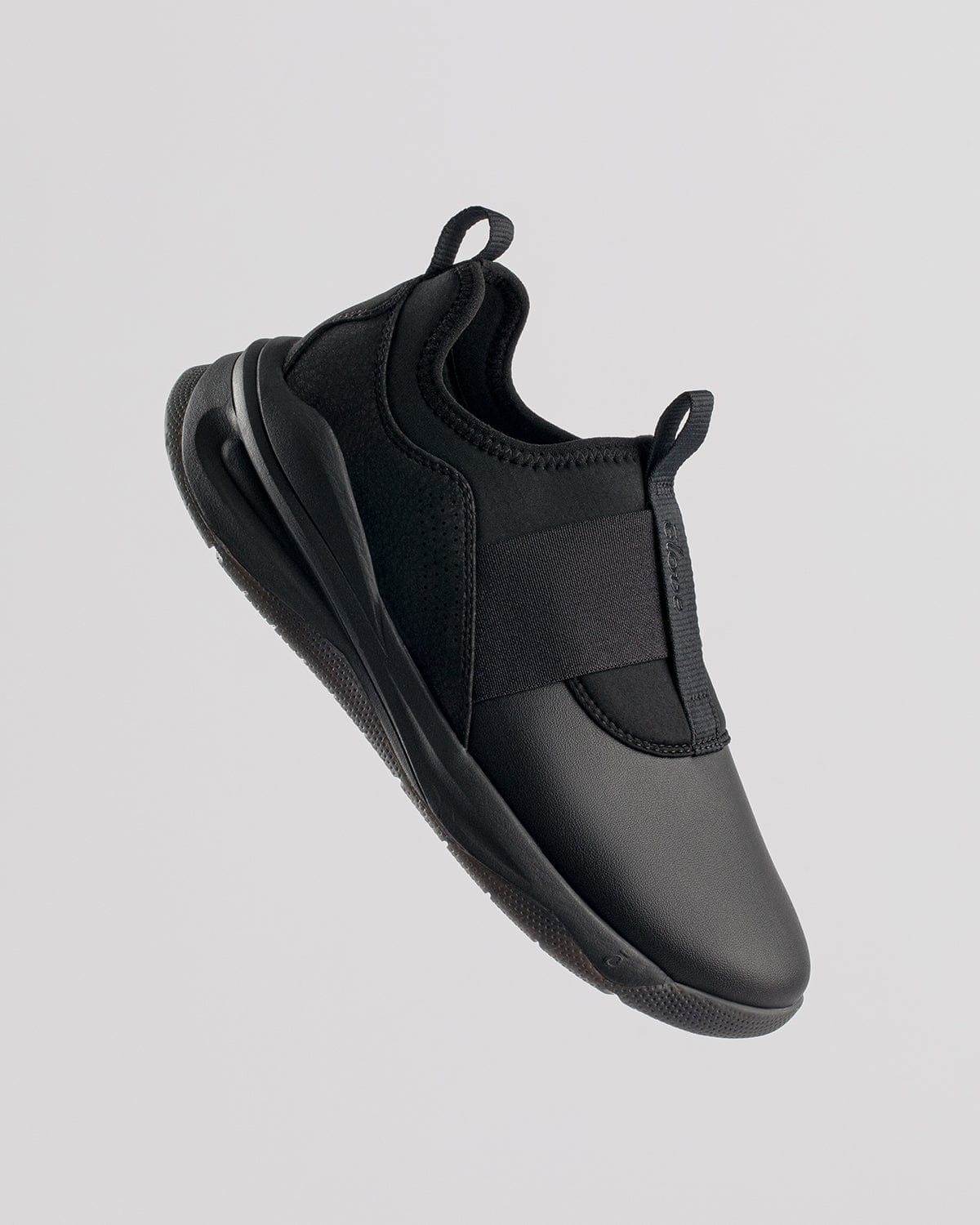
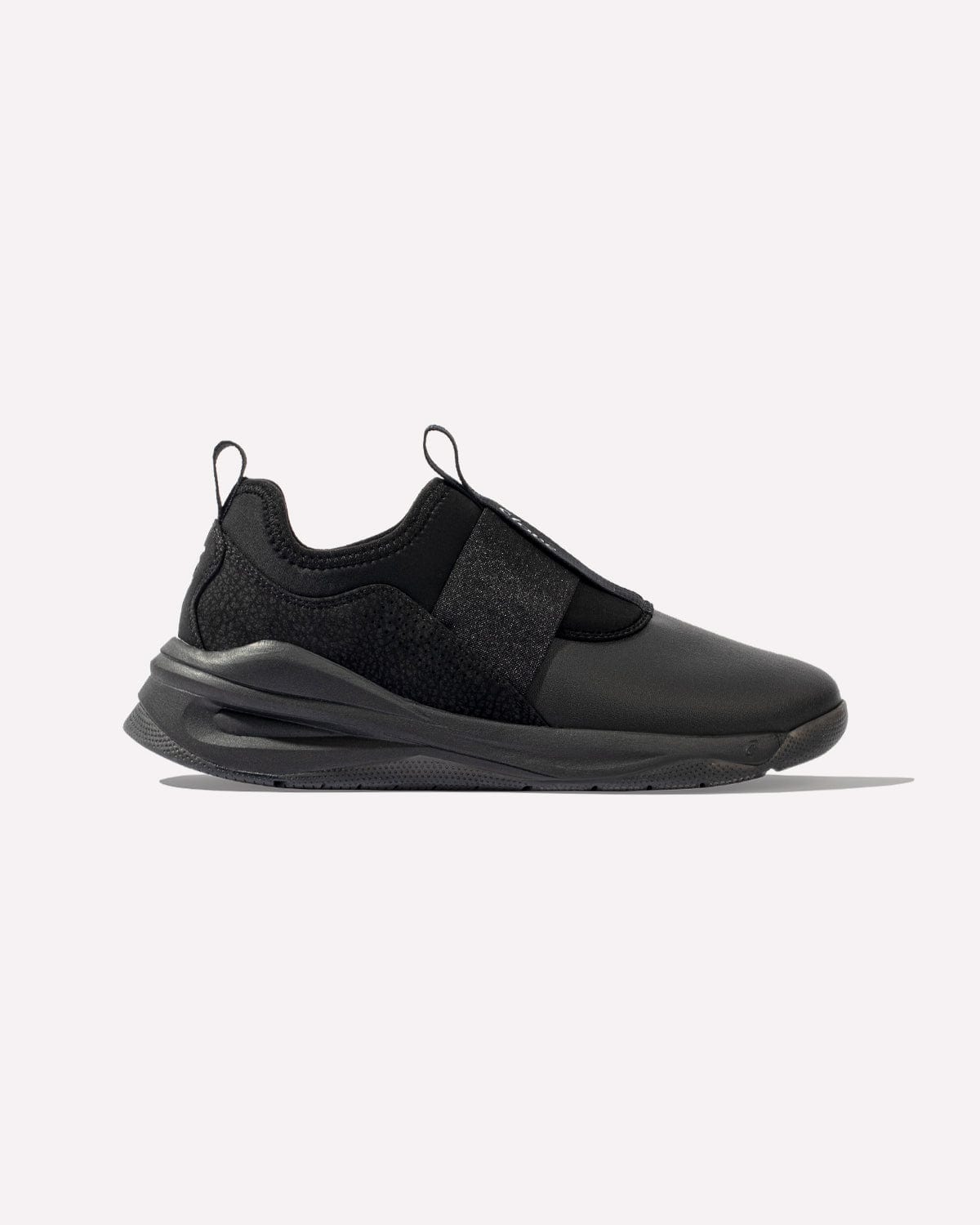


Free Tote ($28 value) with purchase of shoes or boots.
Shop now
While supplies last. Limit 1 per order.
Shop the Meet the Staff Collection
Shop Now
Save $48 when you bundle shoes, socks, and underscrubs!
Shop Now
Discount automatically applied at checkout.
Free Standard Shipping on all orders over $50.
Shop now
Automatically applied on qualified orders within the US.
$10 OFF Recovery Slides with purchase of any shoe.
Shop Now
Discount automatically applied at checkout.
Sign up for #WithLove Rewards and earn with every purchase!
Sign Up


Article: How tight should compression socks be for nurses?
TL;DR: Compression socks for nurses should feel snug and supportive, but not painful, numb, or pinching. Clove Compression Socks use 20-30 mmHG of compression with soft, cushioned bottoms, so you get a firm feel that can still work for long-shift comfort when the size is right.
They should feel like a steady, even hug from ankle to calf, with no sharp pressure points. If you feel tingling, numbness, throbbing, or you see deep indent lines that last, they are too tight for all-day wear.
For many nurses, the goal is firm support that still lets you move, squat, and walk fast without thinking about your socks. Clove Compression Socks provide 20-30 mmHG of compression, which is designed to feel supportive during long shifts while still being wearable when you choose the right size.
This matters because discomfort is the main reason people stop wearing compression socks halfway through a shift. Compression socks are too tight if they cause pain, numbness, tingling, cold toes, or a pinched band feeling at the top.
Also watch for fit issues that show up in motion: if the fabric bunches behind your knees, if the toe feels squeezed, or if you feel pressure in one spot instead of an even snugness. If any of those show up, recheck sizing before you assume you just need to "break them in".
This matters because loose compression socks slide, bunch, and stop feeling supportive after a few hours on the floor. They are not tight enough if they sag at the ankle, slouch down the calf, wrinkle heavily, or you can easily grab and pull a lot of extra fabric.
If you need to keep tugging them up between patients, the fit is off. A properly fitted pair should stay in place during walking and quick turns, and it should feel consistently snug instead of "snug for an hour, loose by lunch".
Nurses often pick compression based on how long they stand, how much they walk, and how they feel at the end of a shift. A common choice for shift wear is a firm, supportive level that still feels wearable all day.
Clove Compression Socks are 20-30 mmHG and include soft, cushioned bottoms, which pairs a supportive feel with underfoot comfort. If you are new to compression, the simplest path is to start with the right size and wear them on a normal shift day, then adjust based on comfort and how well they stay put.
Sliding is frustrating because it turns "support" into a distraction, especially when you are moving room to room. Most sliding comes from sizing problems, fabric that does not match your calf shape, or pulling the sock up in a way that leaves extra material that later works its way down.
Try this: smooth the sock up your leg in small sections instead of yanking from the top. Make sure the heel sits where it should, since a heel that is even slightly off can lead to sagging and bunching. If you want more background on why nurses wear compression in the first place, see Why Do Nurses Wear Compression Socks.
The right feel is "noticeably snug, then easy to forget". You should feel consistent pressure, especially around the ankle, without a tourniquet-like squeeze at the top cuff.
They should stay in place during walking, charting, bending, and climbing stairs. If your socks leave you counting down to take them off, that is usually a sign the sizing or compression level is not a match for your body or your shift length.
How you put them on affects both comfort and whether they slide later. To get a smoother fit, gather the sock down to the heel, place your foot in first, then gradually work the fabric up your ankle and calf.
Avoid pulling hard from the top band, since that can create uneven tension and can make the sock feel tighter in one spot and looser in another. Once they are on, smooth out wrinkles so pressure stays even across your leg.
If you want one straightforward pick, start with Clove Compression Socks in Forever Blue. They are made with 20-30 mmHG of compression and have soft, cushioned bottoms, which is a practical combo for long-shift comfort when you are on your feet most of the day.
From there, choosing a color is the easy part. Here are a few options with verified product pages:
Compression socks help, but they do not replace a supportive shoe that can handle clinical surfaces. A practical setup is compression socks plus healthcare-focused footwear that supports long-shift comfort and is easy to clean between tasks.
Clove designs waterproof, wipe-clean, slip-resistant footwear for healthcare work, so socks and shoes solve different problems without fighting each other. If your socks feel fine until your feet start to ache, look at the shoe first, since underfoot support often determines how your legs feel after hours of standing and walking. If you are shopping for long-shift options, see best shoes for nurses on 12-hour shifts.
The simplest method is to treat fit like a three-check test: comfort at the cuff, comfort at the toes, and stay-up power during movement. You want a snug feel that stays in place while you walk fast, but you should not feel pinching at the top or compression that makes your toes feel crowded.
One contrarian take that saves time: if you are choosing between "slightly tight" and "I hope these loosen up", pick the slightly tight option only if it is comfortable immediately. Compression socks should feel supportive from the first wear, not like a problem you need to push through for 12 hours.
A two-minute check can prevent an all-day annoyance. Do these before you leave the house or before you clock in:
| What you feel | Most likely cause | What to do next shift |
|---|---|---|
| Socks slide down and bunch at the ankle | Fit is too loose or heel placement is off | Recheck sizing and put them on by smoothing upward in sections |
| Top band feels like it is digging in | Too tight at the cuff or sock pulled up too aggressively | Try a different size and avoid yanking from the top band |
| Toes feel cold, numb, or tingly | Too tight overall or toe area is cramped | Size up and do not wear if numbness continues |
| They feel fine, but legs still feel heavy late in shift | Compression may be fine, but shoe support may be the bigger issue | Pair with supportive, healthcare-focused footwear for long-shift comfort |
| Clove Compression Socks feel snug but wearable | Correct size for your leg shape and compression preference | Stick with that size and rotate pairs so you can wear them consistently |
All-day wear only works if the sock feels supportive without feeling restrictive by hour three. Clove Compression Socks are made with 20-30 mmHG of compression and soft, cushioned bottoms, so they are designed to feel firm while still aiming for long-shift comfort. If they feel painful, numb, or pinching on the first wear, the next step is to reassess size instead of trying to "tough it out".
Stay-up problems matter because adjusting your socks all day is distracting and can cause rubbing. The most direct fix is to check sizing and put the socks on with the heel seated correctly, then smooth the fabric upward instead of pulling from the cuff. If you want a supportive option designed for shift wear, Clove Compression Socks use 20-30 mmHG of compression, which many nurses choose specifically to help avoid that loose, slouching feel.
The right compression level should feel snug and steady, not painful or numb. Clove Compression Socks are 20-30 mmHG, and they should not cause tingling, cold toes, or sharp pressure at the top band when the size is correct. If you feel those signs, stop and reassess fit, since discomfort is usually a sizing mismatch or a signal that this level is not right for your body.
This matters because socks and shoes solve different problems in a shift setup. Compression socks support your lower legs, but they do not replace the underfoot support you get from a nursing shoe that is made for long hours of standing and walking. Clove focuses on healthcare footwear that is waterproof, wipe-clean, slip-resistant, and built for long-shift comfort, so pairing the right socks with the right shoes is the more reliable approach. If you are comparing slip ratings, read non slip vs slip resistant.
A rotation helps because you are more likely to wear compression consistently when you always have a clean pair ready. Clove offers the same core product across multiple colorways, so you can pick a look and stick with it for repeat buys, including Forever Blue and Rainbow Rings. If you want a simple uniform match, stripes like Grey Stripe can be easier to pair with scrubs without thinking.
This matters because the wrong size can feel okay at first and still fail mid-shift. A clear sign is that the sock creates uneven pressure, like a painful band at the top with looser fabric at the ankle, or it twists so the toe seam pulls. With Clove Compression Socks, the better fit is the one that feels evenly snug and stays in place without you adjusting it between patient rooms.
The decision matters because they support different parts of your day. Compression socks are for on-shift support, while recovery slides are open-back slides designed to relieve foot pressure after long shifts and aid recovery. If you finish a shift and your feet feel beat up, pairing compression during work with recovery-focused footwear after work can feel more comfortable than trying to make one item do both jobs. For after-shift comfort, consider Clove Supercush Recovery Slides.
Pick one pair that feels evenly snug, stays up when you walk fast, and does not pinch at the cuff. If you want a firm, shift-ready option, start with Clove Compression Socks in Forever Blue since they are 20-30 mmHG with soft, cushioned bottoms.
Then evaluate the full setup. Compression socks work best when your shoes also match the job, especially when you need long-shift comfort and footwear that is waterproof, wipe-clean, slip-resistant, and durable for clinical work. If you are deciding what to wear on shift, see reasons to buy Clove nursing shoes.
