


Wide Available
Casual & Clean
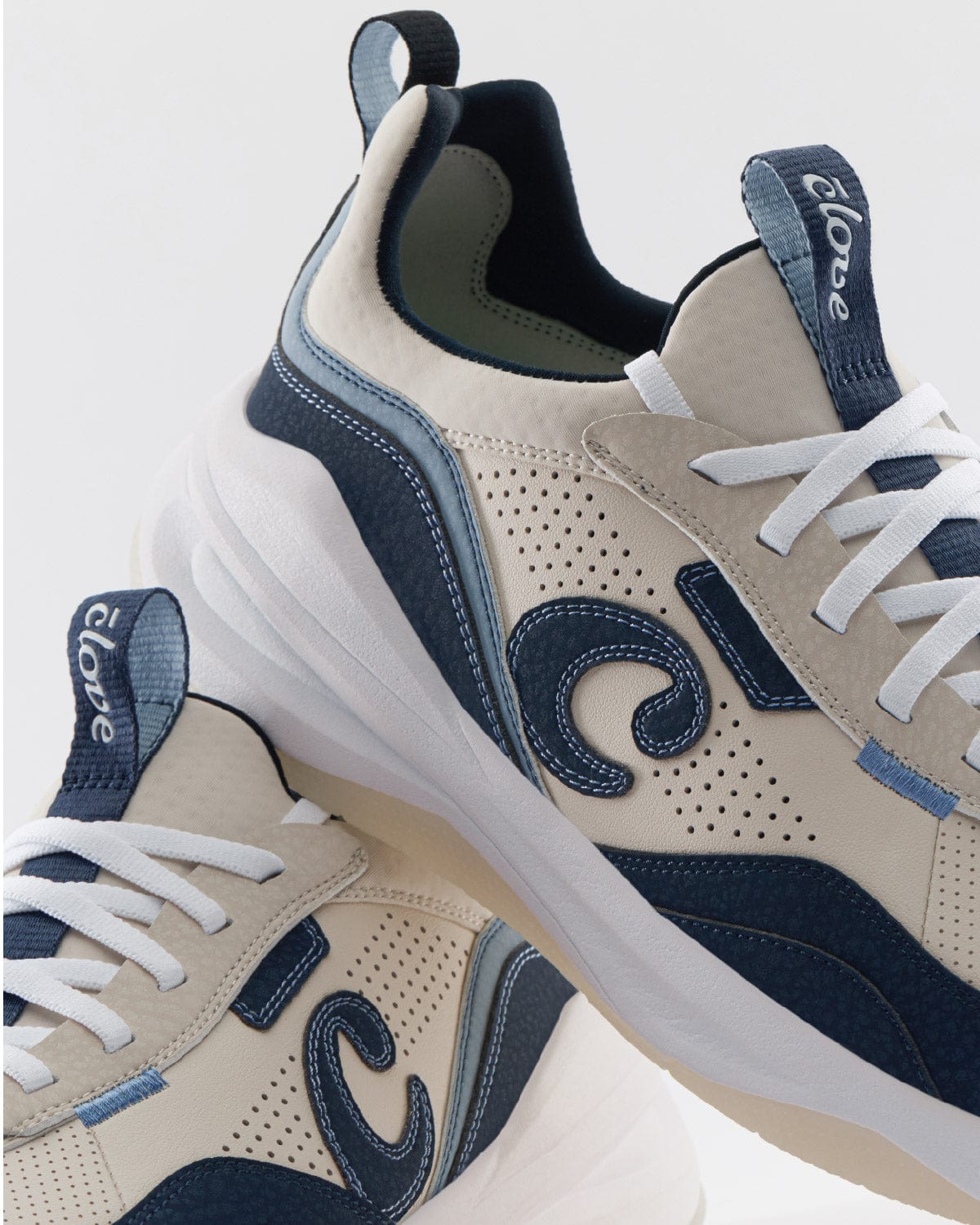
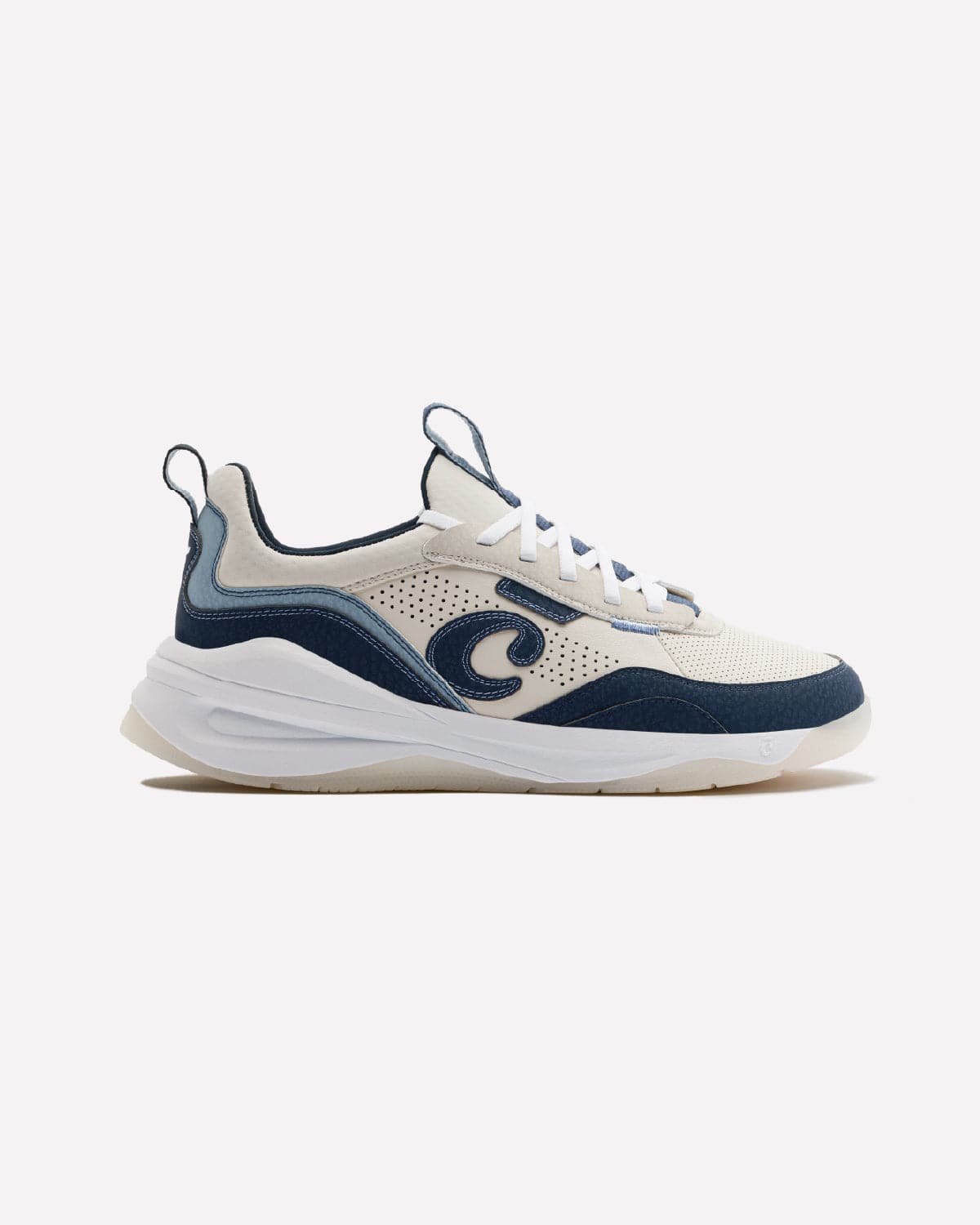


Casual & Clean
Professional & Clean
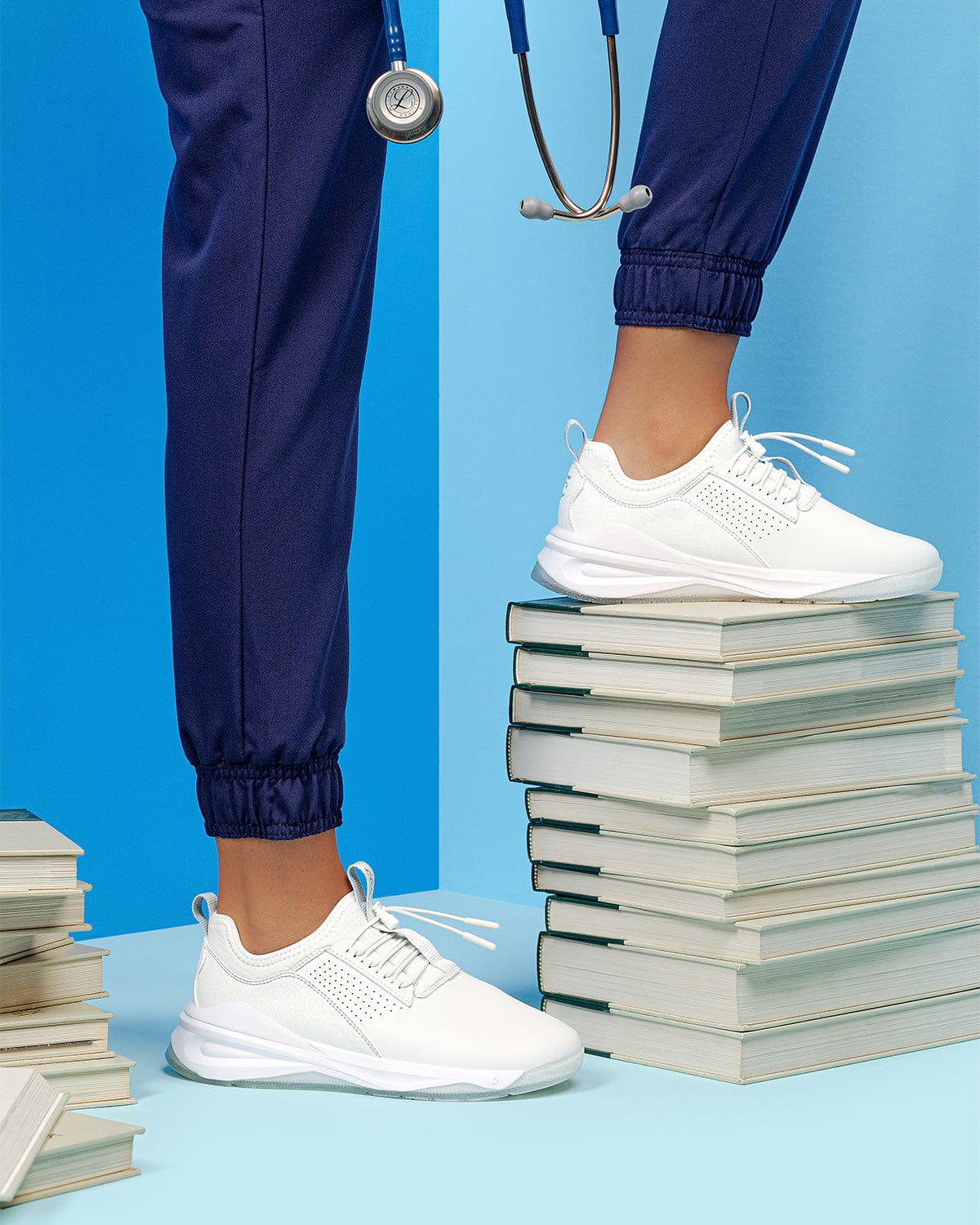
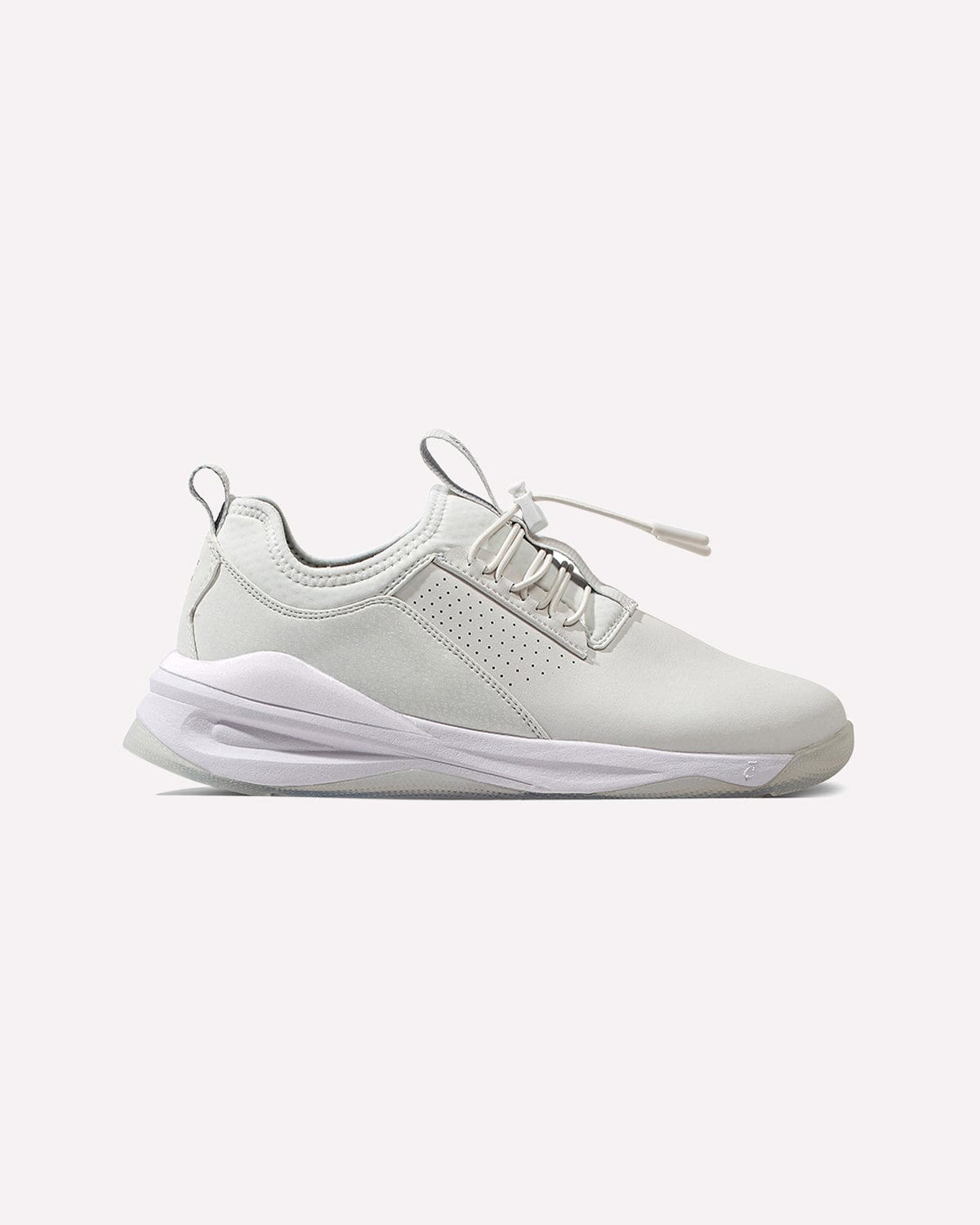


Cushioned & Clean
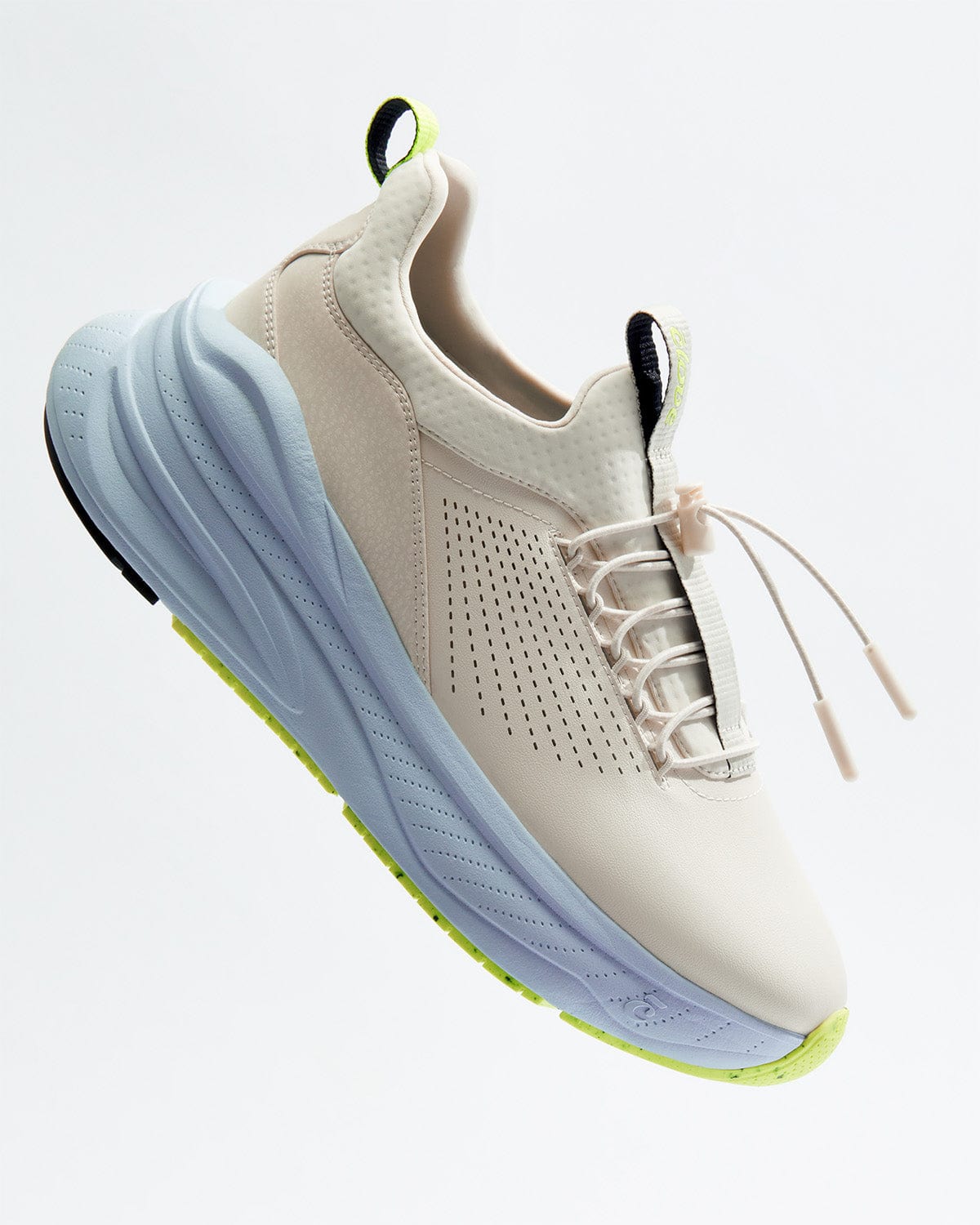
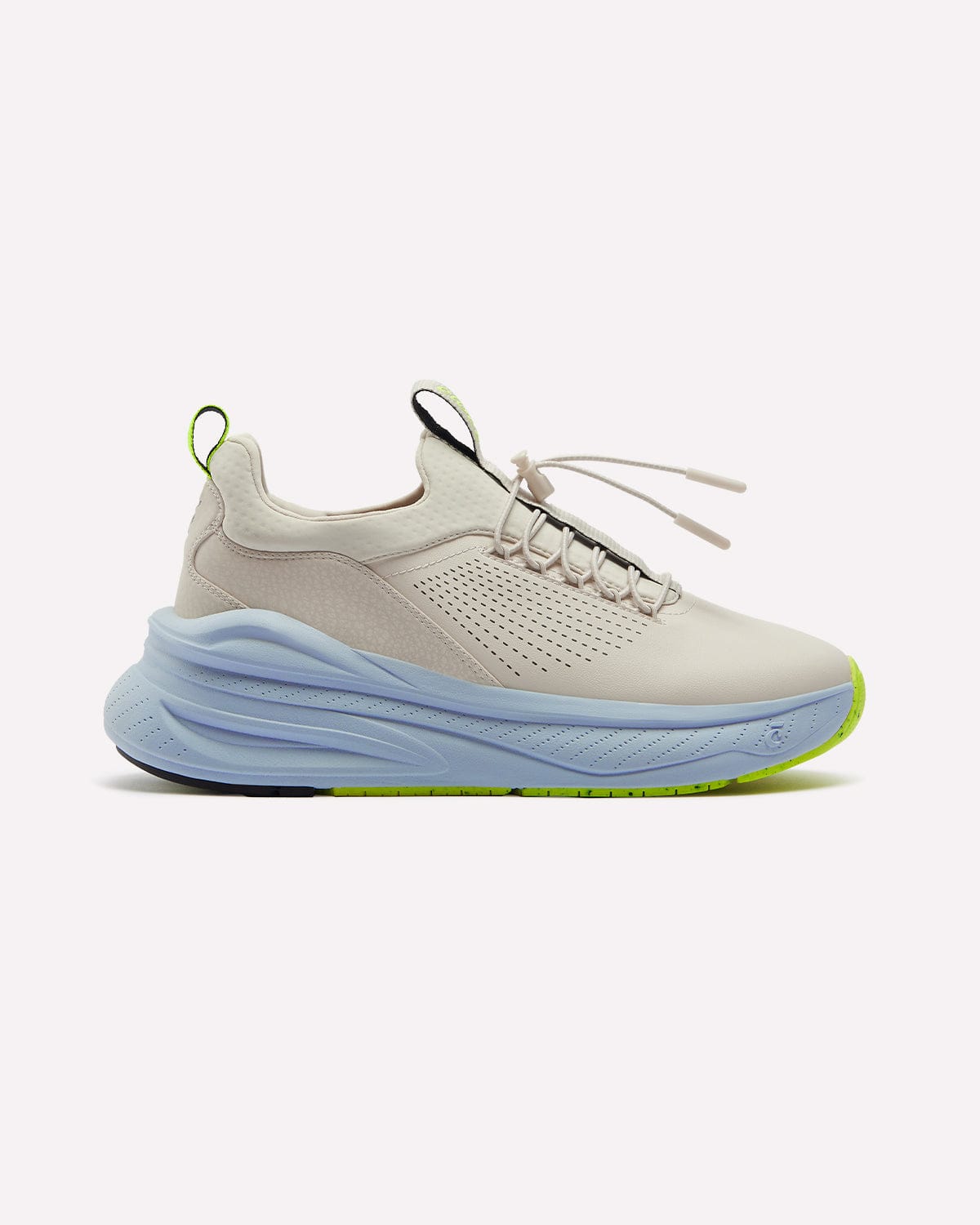


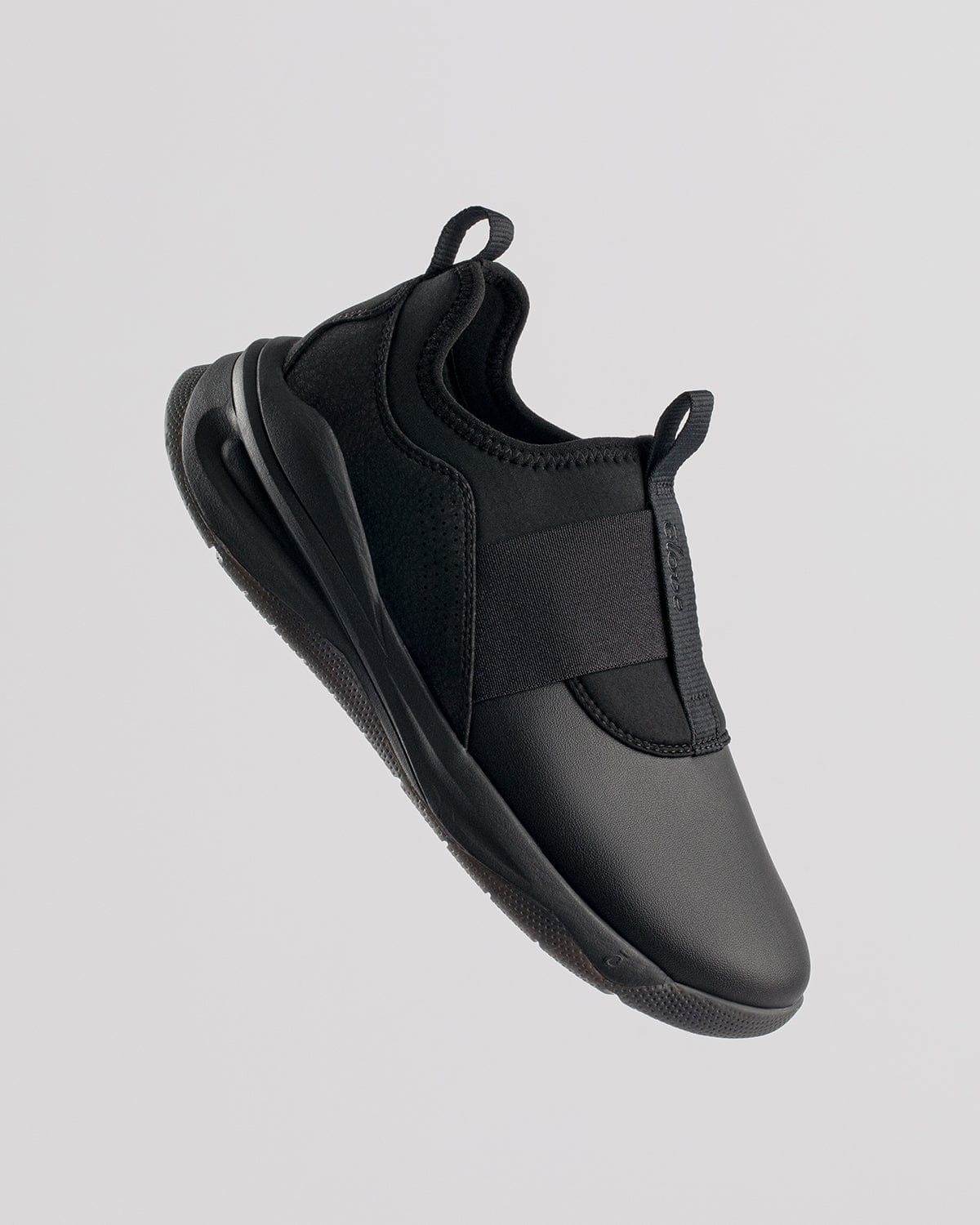
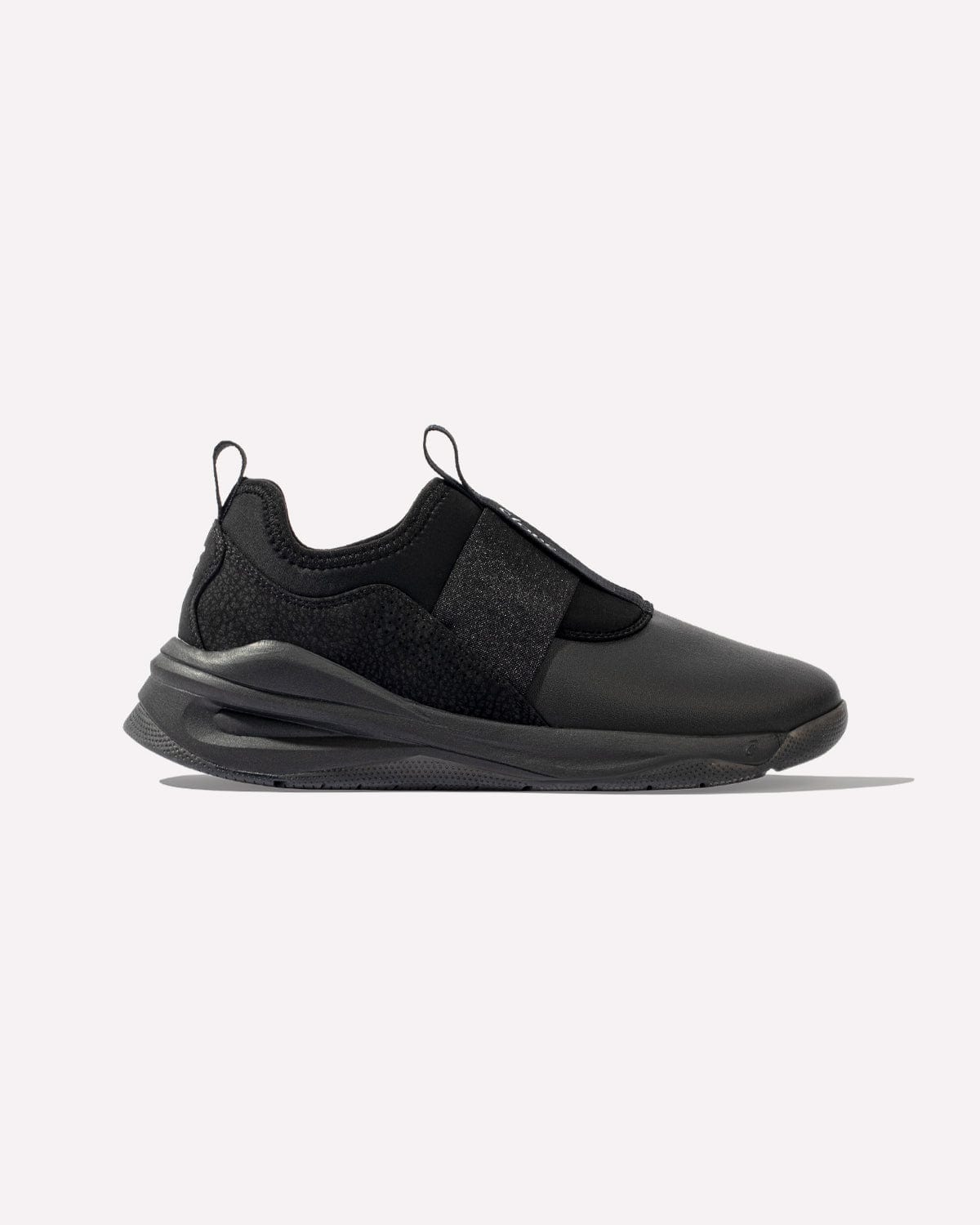


Save $48 when you bundle shoes, socks, and underscrubs!
Shop Now
Discount automatically applied at checkout.
Free socks with purchase of any shoe!
Shop now
Sock selection available in cart.
Free Standard Shipping on all orders over $50.
Shop now
Automatically applied on qualified orders within the US.
$10 OFF Recovery Slides with purchase of any shoe.
Shop Now
Discount automatically applied at checkout.
Sign up for #WithLove Rewards and earn with every purchase!
Sign Up



You clock in at 7 a.m. and your shoes feel perfect. By 7 p.m., they feel like they’ve shrunk two sizes. That’s not your imagination. Swollen feet are extremely common among nurses, especially during 12-hour shifts.
Long periods of standing, walking on hard hospital floors, heat, and limited opportunities to elevate your legs all contribute to fluid buildup in the feet and ankles. It’s not a sign you’re “out of shape.” It’s physiology.
The right nursing shoes might not eliminate swelling entirely. But they can make a major difference in how comfortable you feel by hour twelve. Here’s why swelling happens, what makes it worse, and what to look for in nursing shoes if your feet expand during shifts.
Foot swelling (also called edema) is common in professions that require prolonged standing. Nursing checks all the boxes.
When you stand for hours, gravity pulls fluid toward your lower extremities. Without consistent elevation or movement patterns that encourage circulation, that fluid can accumulate.
Hospital floors are typically tile or vinyl over concrete. Repeated impact can contribute to inflammation in the feet, which increases swelling over time.
Long shifts mean warmth and sweat. Heat dilates blood vessels, which can increase fluid retention in the feet.
Shoes that don’t allow room for natural expansion can worsen discomfort, creating pressure points and restricting circulation.
It’s common for swelling to increase later in the day, which is why shoes that felt fine at 7 a.m. may feel constricting by 5 p.m.
If you notice any of these during your shifts, your footwear may not be working in your favor:
The toe box feels tight by midday
Indentations on your feet from laces or seams
Tingling or numbness in toes
Needing to constantly loosen your laces
Increased heel or arch discomfort as the day progresses
Nursing shoes shouldn’t fight against your body’s natural changes during a long shift.
When foot swelling is part of your reality, shoe features matter even more.
You don’t want oversized shoes; you want structured room. Here’s what to look for:
A stable base
A toe box that isn’t overly narrow
Wide sizing options if you typically wear wide sneakers
Clove offers EE wide options in the Classic and Forte 2, making them a strong choice for nurses who experience swelling or naturally need more width.
When feet swell, cushioning plays a bigger role. Foam that collapses under pressure can increase discomfort.
Clove nursing shoes are designed to maintain structure:
Forte 2 features Cush Foam Formulation™ built to reduce fatigue during long hours of standing and walking.
Classic includes dual-density support for balanced comfort.
Strada incorporates the Contour Comfort System with added arch contouring and a deeper heel cup for stability.
Stable cushioning helps distribute pressure more evenly, especially when feet expand.
As swelling increases throughout the day, rigid lacing systems can become uncomfortable.
Clove offers multiple options:
Classic: Adjustable elastic no-tie laces
Forte 2: Slip-on design for easy entry
Strada: Lace lock system with both elastic and traditional laces
These systems allow flexibility without compromising security.
Swelling often pairs with heat and moisture. Breathable components help keep things more comfortable.
Clove includes Clove Contour Comfort Insoles that fight odor and bacteria. They’re removable and washable, so when it’s time for a refresh, you can clean them and keep your shoes feeling fresh.
Managing moisture helps minimize discomfort over long shifts.
Swollen feet can subtly affect balance. Stable traction becomes even more important when you’re fatigued late in a shift.
All Clove nursing shoes are certified slip-resistant according to ASTM F3445 standards, helping provide dependable traction on wet or slick hospital floors. The soles are also 100% squeak-free, so you can move confidently without distraction.
Each model addresses different needs, but all are built around healthcare realities.
Dual-density comfort
Elastic no-tie laces
Wide sizing available
Easy-to-clean Clarino™ upper
Cush Foam Formulation™ for fatigue reduction
Neoprene ankle cuff designed to move smoothly
Wide sizing available
Slip-on convenience
Contour Comfort System
Deeper heel cup and added arch contouring
Waterproof Clarino™ upper
Built for both shift and off-shift wear
Swelling isn’t a surprise in nursing. Footwear should anticipate it.
While shoes matter, small habits can help too:
Wear compression socks during long shifts
Rotate between two pairs of nursing shoes
Elevate your feet after work
Stay hydrated
Replace worn-out shoes regularly
Supporting circulation and reducing pressure can make noticeable differences over time.
Occasional swelling during long shifts is common. But if swelling is persistent, one-sided, or accompanied by significant pain, redness, or warmth, it’s important to consult a healthcare professional.
Shoes can improve comfort, but they aren’t a substitute for medical evaluation when needed.
Swollen feet are part of the job for many nurses. The best nursing shoes won’t stop gravity or eliminate long hours. But they can support your feet in ways that reduce pressure, improve stability, and maintain comfort through demanding shifts.
Your shoes should adapt to you—not the other way around. If you’re dealing with swelling during shifts, get nursing shoes built specifically for healthcare environments and designed to support you from clock-in to clock-out.
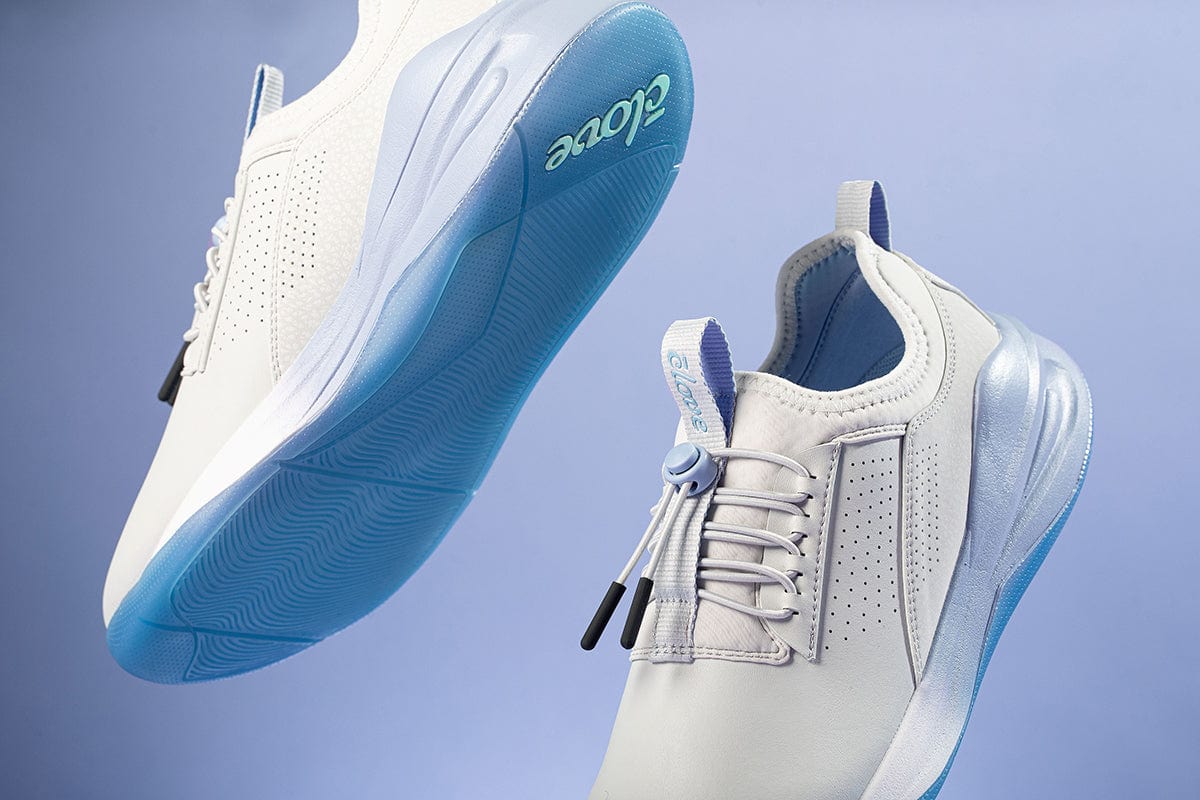
How to Clean Nursing Shoes (And How Often You Should Do It)
If you work in healthcare, your shoes see things most people never will. Sanitizer drips. IV leaks. Coffee spills. Medication splashes. Whatever mystery substance was on that hospital floor at 3 p....
Read more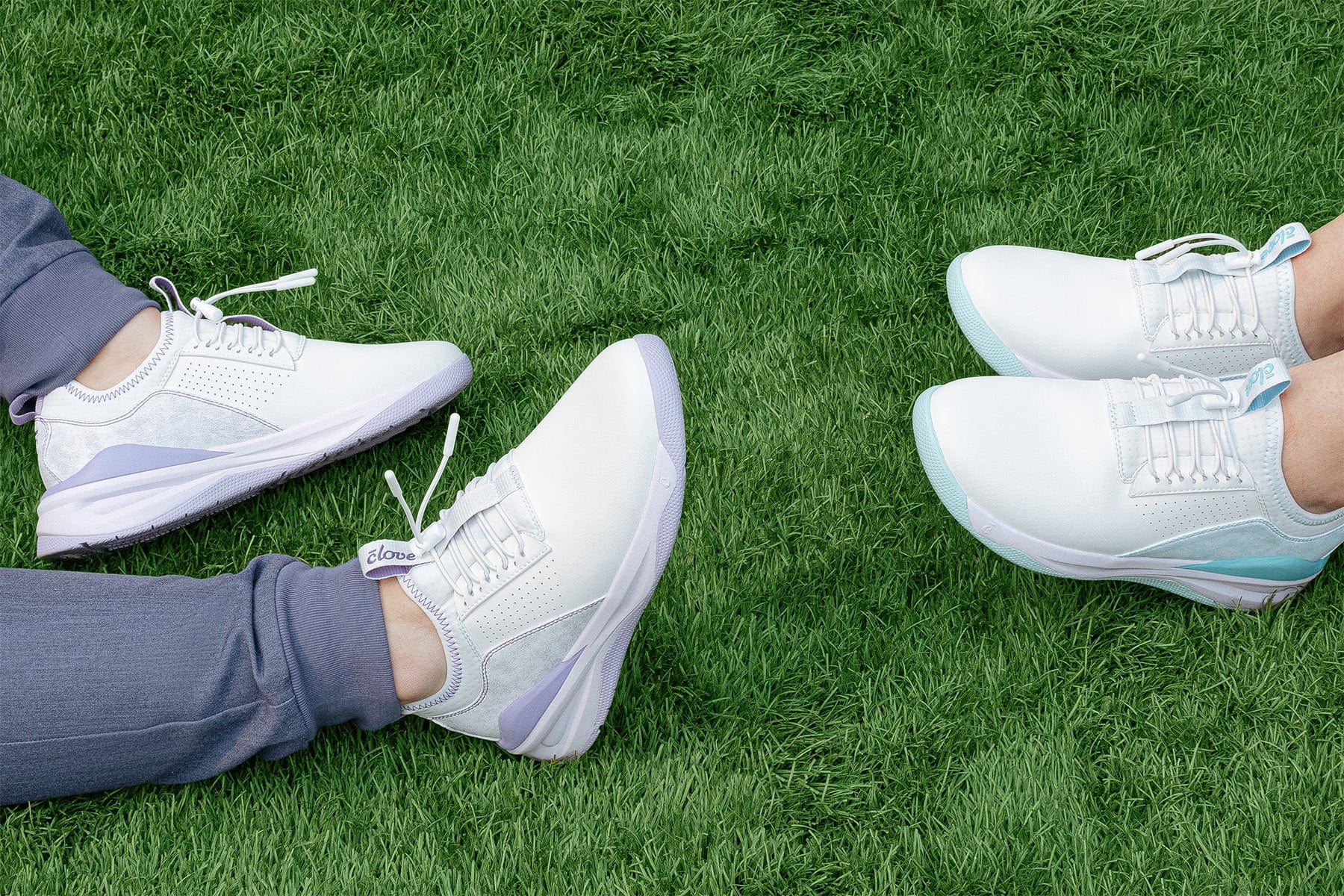
HOKA vs Clove Nursing Shoes: Which Is Better for Nurses?
If you’ve spent time researching shoes for nurses, you’ve probably come across both HOKA and Clove. Specifically, the HOKA Arahi is positioned as a stability work shoe for long hours on your feet. ...
Read more
