


Wide Available
Casual & Clean
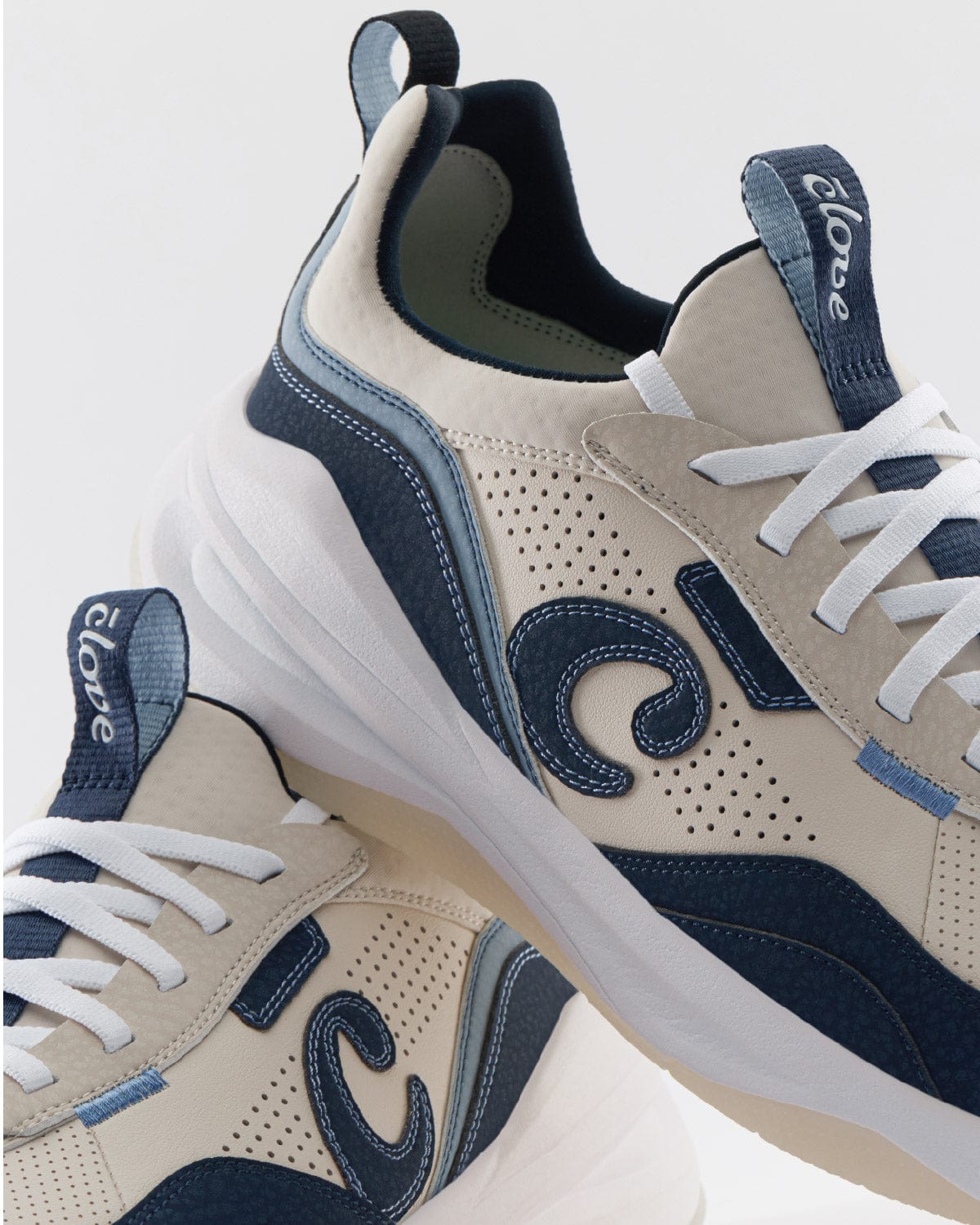
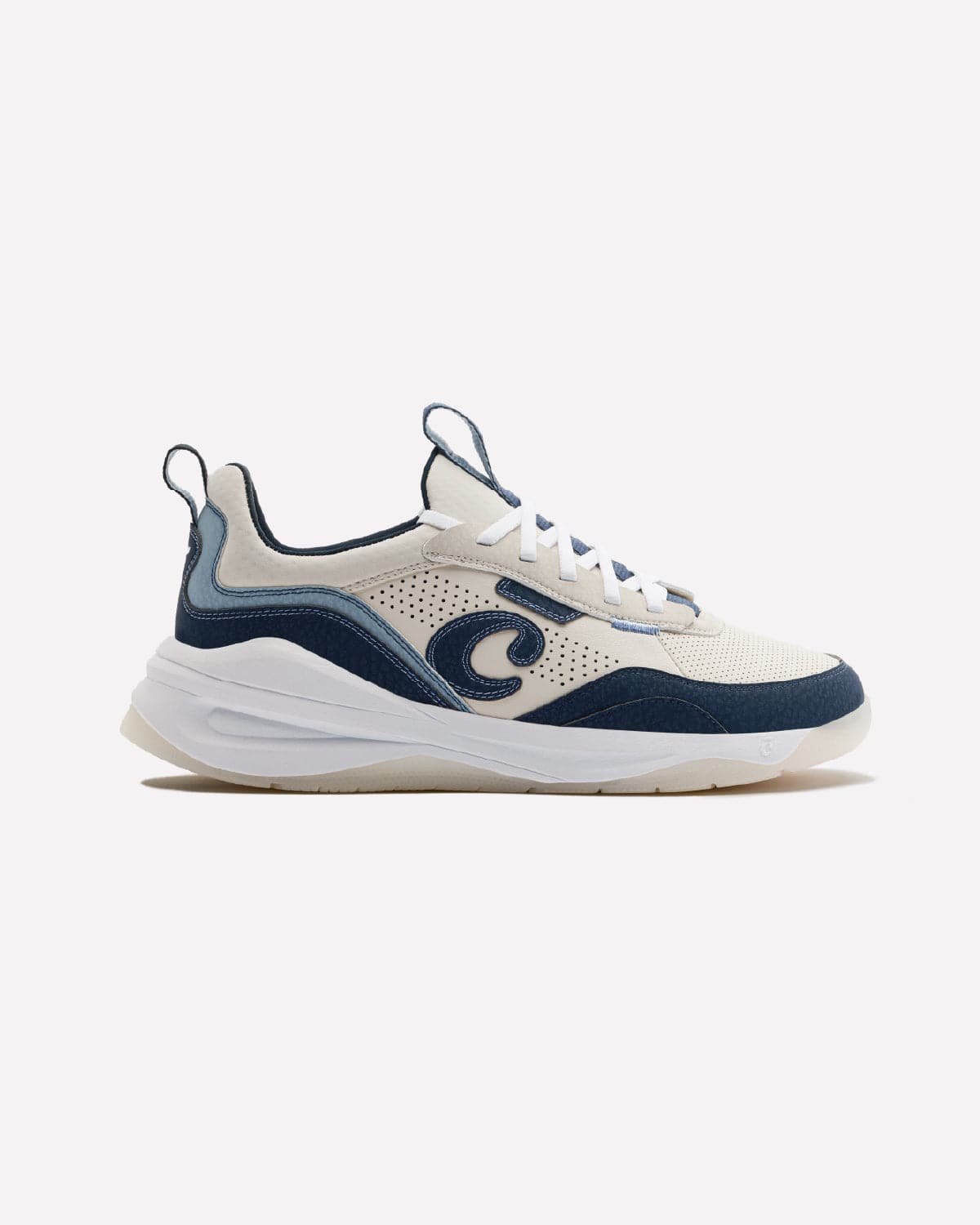


Casual & Clean
Professional & Clean

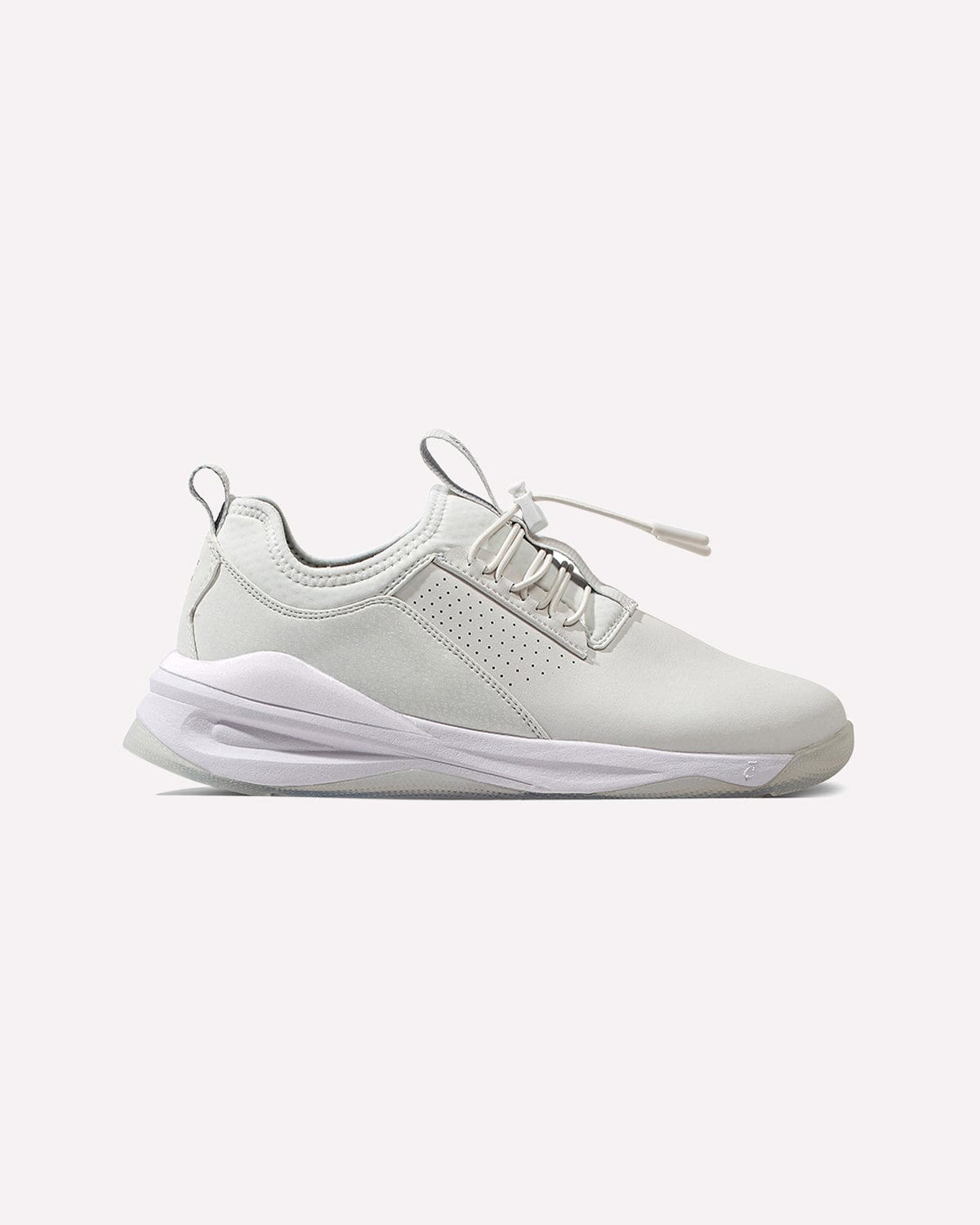


Cushioned & Clean
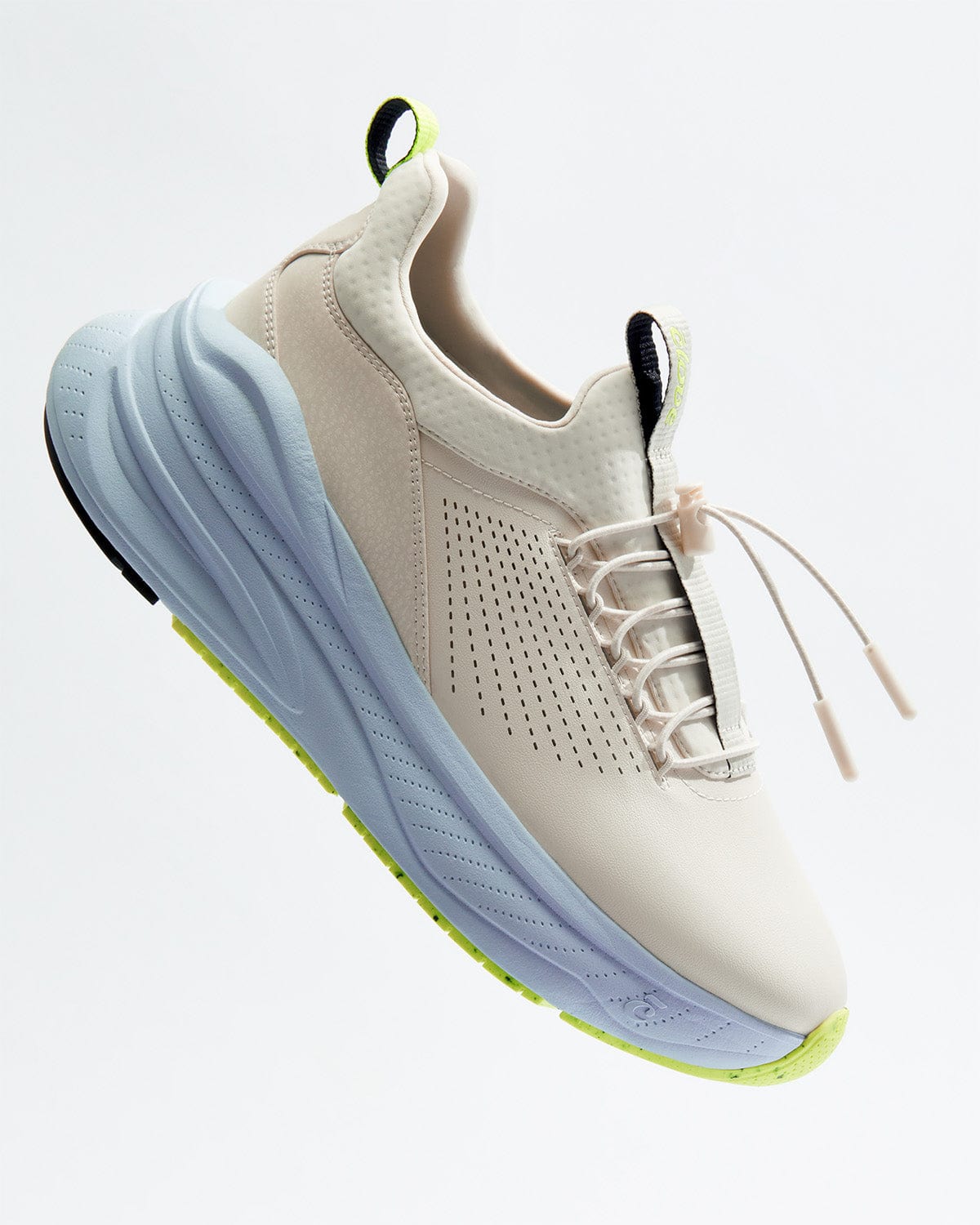
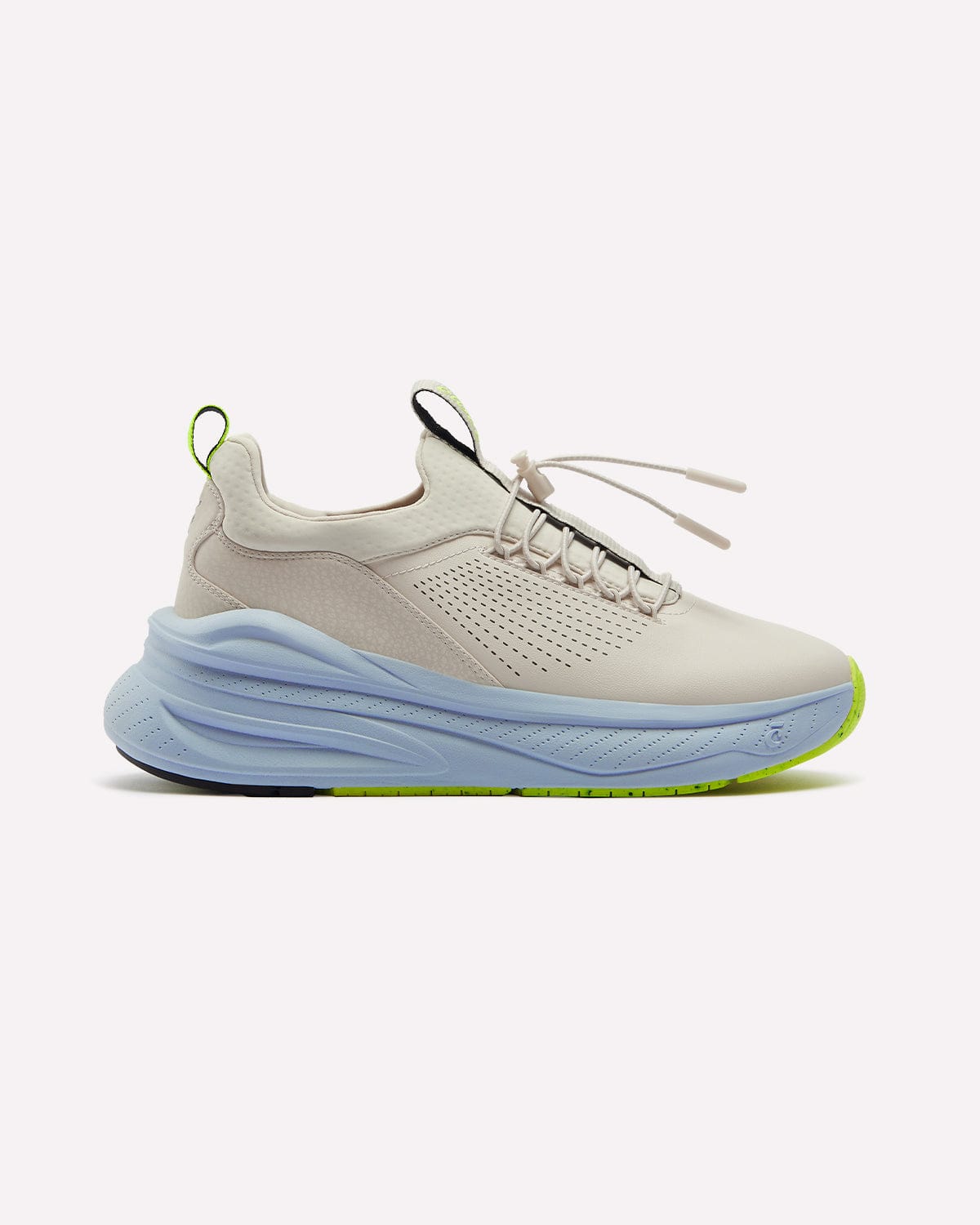


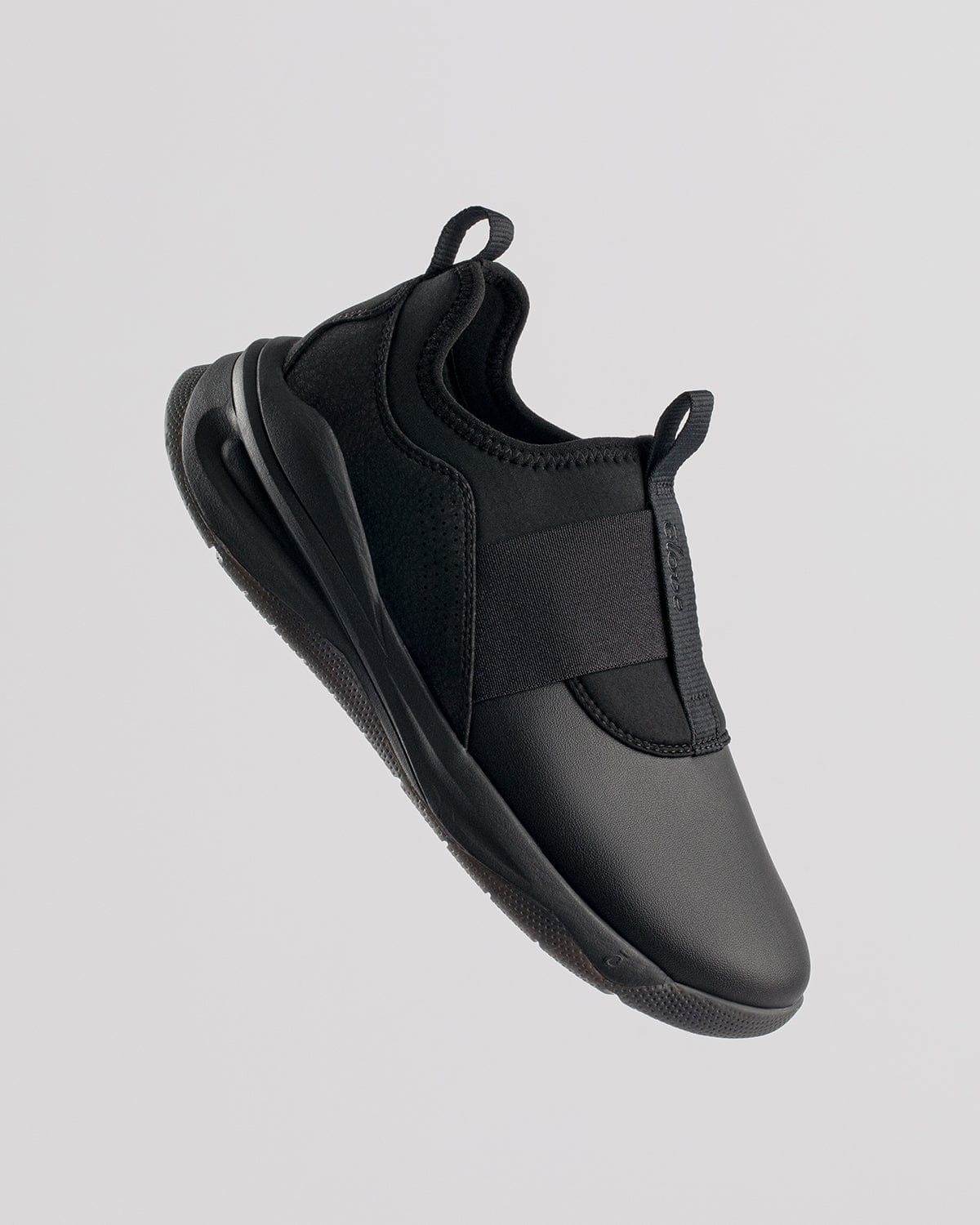
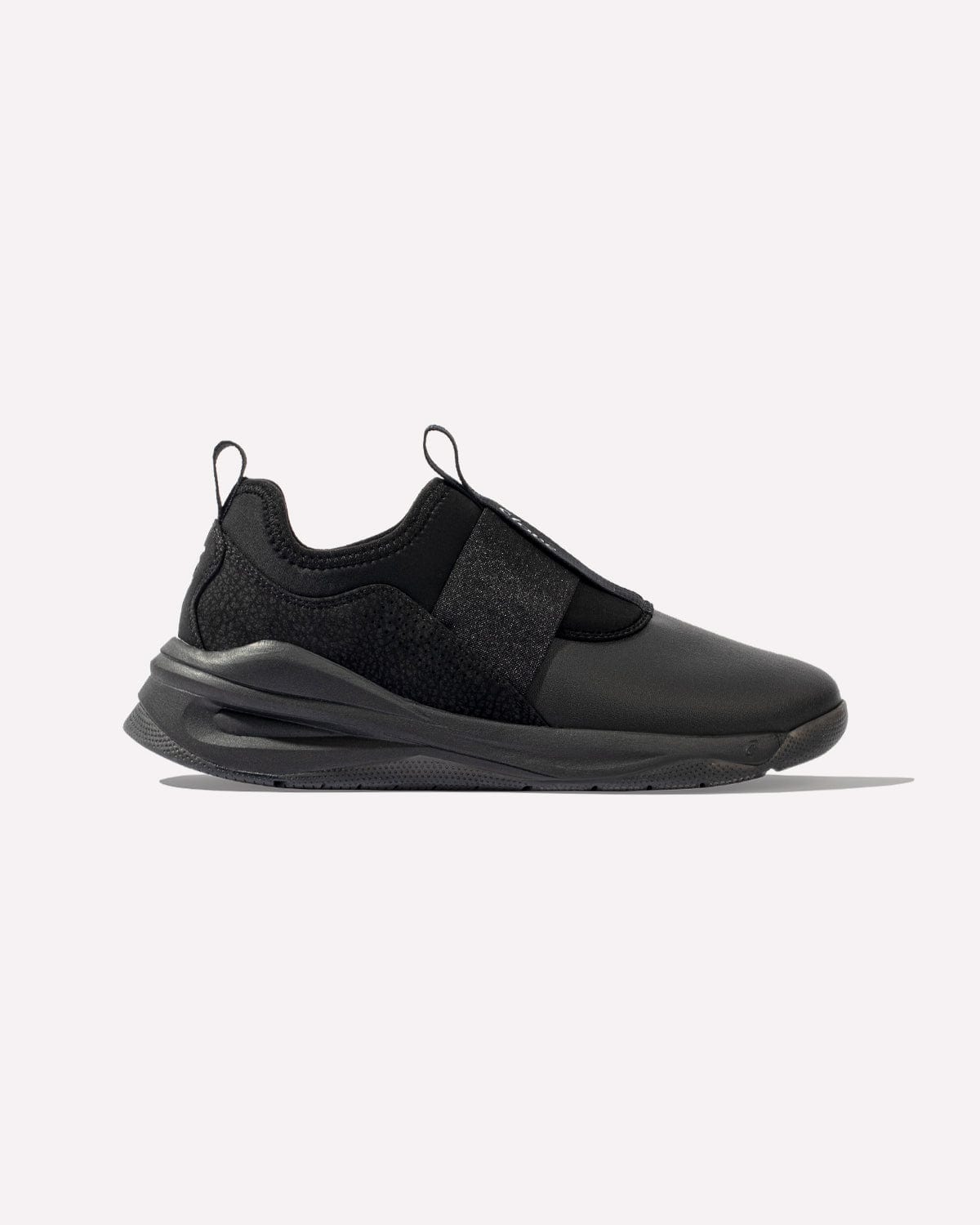


Save $48 when you bundle shoes, socks, and underscrubs!
Shop Now
Discount automatically applied at checkout.
Free socks with purchase of any shoe!
Shop now
Sock selection available in cart.
Free Standard Shipping on all orders over $50.
Shop now
Automatically applied on qualified orders within the US.
$10 OFF Recovery Slides with purchase of any shoe.
Shop Now
Discount automatically applied at checkout.
Sign up for #WithLove Rewards and earn with every purchase!
Sign Up



If you work in healthcare, your shoes see things most people never will.
Sanitizer drips. IV leaks. Coffee spills. Medication splashes. Whatever mystery substance was on that hospital floor at 3 p.m.
Even on a “normal” shift, your shoes take a hit.
Cleaning your nursing shoes isn’t about vanity. It’s about hygiene, longevity, and maintaining traction. The good news? Some shoes make this process far easier than others.
Here’s how often you should clean your nursing shoes, how to do it properly, and why wipe-clean construction makes a real difference.
There’s no universal rule, but here’s a practical guideline most nurses can follow.
At a minimum, give your shoes a quick wipe at the end of each shift if there’s visible dirt or spills. This prevents buildup and keeps materials from absorbing grime over time.
Even a 30-second wipe can extend the life of your shoes.
Once a week (or every few shifts), take a few extra minutes to:
Wipe the entire upper thoroughly
Clean the outsole tread
Remove and air out insoles
Address any odor buildup
This keeps both appearance and performance consistent.
If your shoes come into contact with bodily fluids or significant spills, clean them as soon as possible. Prompt cleaning helps maintain hygiene and material integrity.
Cleaning methods vary depending on the material your nursing shoes are made from.
Use a soft cloth to wipe away dirt and loose grime.
For most nursing shoes, use a damp cloth and mild soap. Avoid harsh chemicals unless the manufacturer specifies they’re safe.
Pro tip: You can clean Clove nursing shoes with the disinfecting wipes commonly used in hospitals, thanks to how durable the Clarino material is.
Let the shoes air dry naturally. Avoid high heat, which can break down adhesives and materials.
This is where material choice becomes important.
Many general work or athletic-style shoes use breathable textile uppers. While comfortable, they can:
Absorb liquids
Stain more easily
Retain odors
Require full washing
Take longer to dry
Once moisture seeps into the material, cleaning becomes more complicated.
Clove nursing shoes are built with Clarino™ vegan leather, a premium microfiber material that mimics leather while offering practical advantages.
With a design that is fluid-resistant and mimics leather, these sneakers are easy to clean, ensuring they stay looking fresh. Simply wipe with a damp cloth to remove dirt or smudges.
Because the material doesn’t absorb spills the same way textile uppers do, daily maintenance becomes much simpler.
For busy healthcare workers, that difference adds up.
Clove nursing shoes are designed for easy upkeep.
Use a damp cloth to wipe the upper after shifts.
Apply mild soap for stubborn spots.
Let air dry naturally.
Avoid machine washing the full shoe.
That’s it. No soaking. No long drying cycles. No hoping stains fade.
The upper isn’t the only place that needs attention.
Clove includes Clove Contour Comfort Insoles designed to fight odor and bacteria. They’re fully removable and machine washable. When it’s time for a refresh, just throw them in the wash, and they’ll bounce right back.
This removable design makes it easier to maintain freshness without replacing the entire shoe.
Many standard work shoes use fixed insoles, which can trap moisture and odors over time.
There’s another reason cleaning matters: safety.
Dirt buildup on outsoles can reduce grip over time. Regularly wiping or brushing the tread helps maintain traction performance.
All Clove nursing shoes are certified slip-resistant according to ASTM F3445 standards, but keeping the outsole clean ensures you get consistent performance shift after shift.
Clean shoes don’t just look better; they perform better.
A few common mistakes can shorten your shoe lifespan:
Avoid harsh bleach unless manufacturer-approved
Don’t machine wash entire shoes unless specified safe
Skip high-heat drying
Avoid aggressive scrubbing that damages surface materials
Gentle, consistent cleaning works better than occasional deep scrubbing.
When you’re working long shifts, the last thing you want is complicated shoe maintenance.
Textile shoes can require soaking, drying time, and repeated washing. Fluid-resistant shoes that wipe clean in seconds make daily hygiene easier.
Clove nursing shoes are built for healthcare realities—including the messy parts. Waterproof Clarino™ uppers, washable Clove Contour Comfort Insoles, and slip-resistant outsoles combine practicality with professional appearance.
Because in healthcare, your shoes shouldn’t create extra work.

What to Look for in Doctor Shoes: 7 Essentials for Long Days on Your Feet
Whether you’re rounding for hours, standing through surgery, or moving between departments all day, one thing is constant: you’re on your feet. Doctors and surgeons often log 10–14 hour days in env...
Read more
Nursing Shoes for Swollen Feet: What to Look For (And What to Avoid)
You clock in at 7 a.m. and your shoes feel perfect. By 7 p.m., they feel like they’ve shrunk two sizes. That’s not your imagination. Swollen feet are extremely common among nurses, especially durin...
Read more
