


Wide Available
Casual & Clean
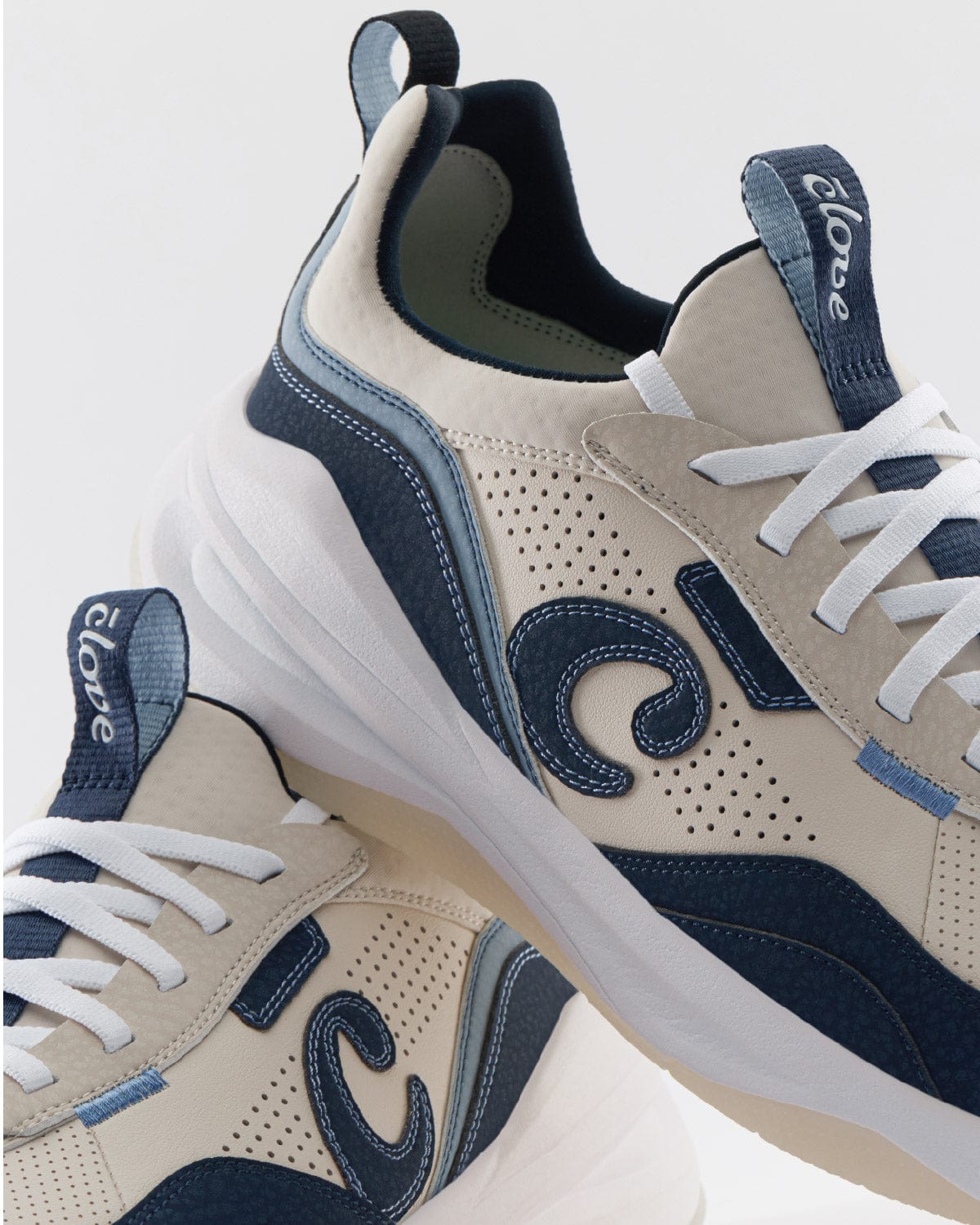
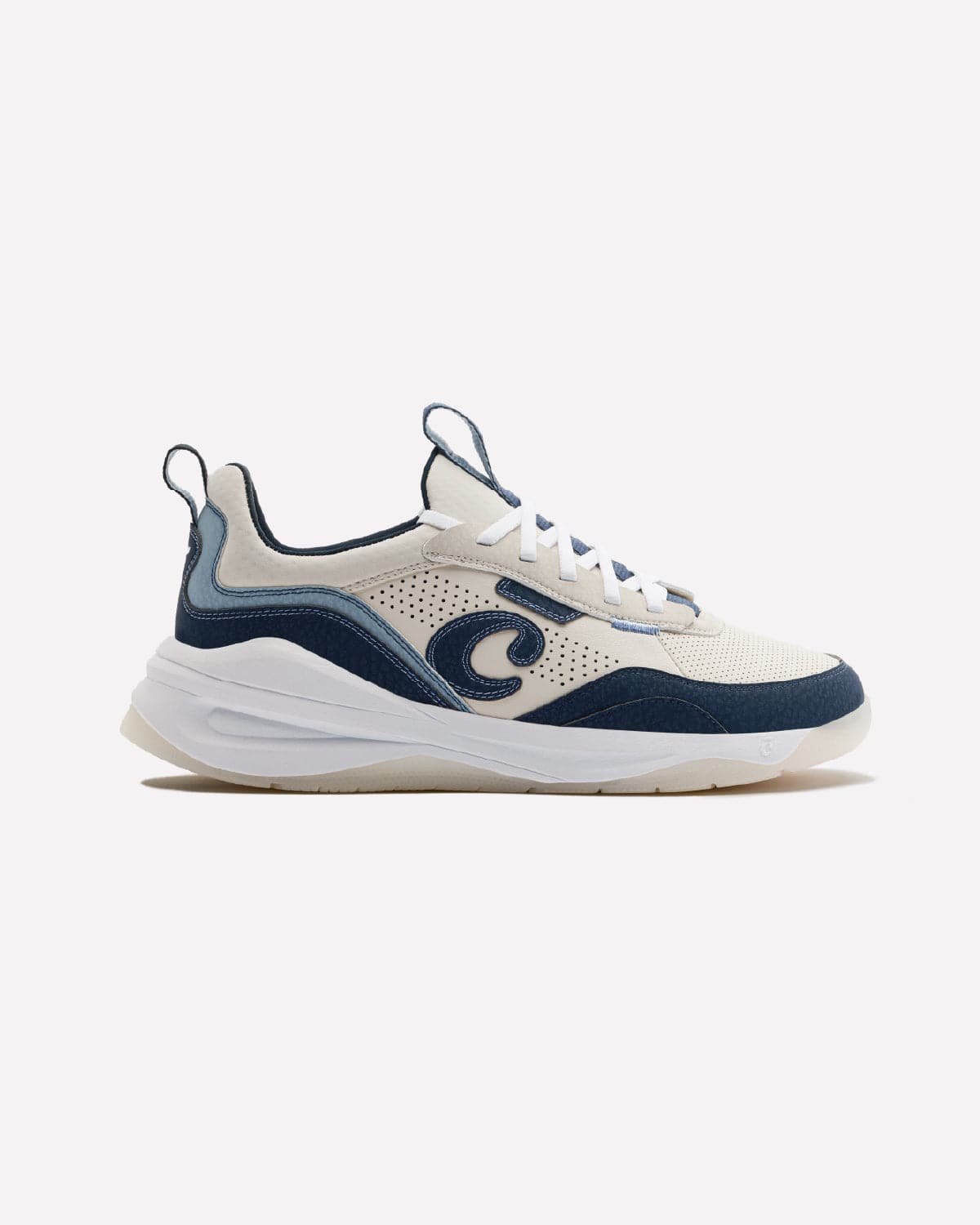


Casual & Clean
Professional & Clean

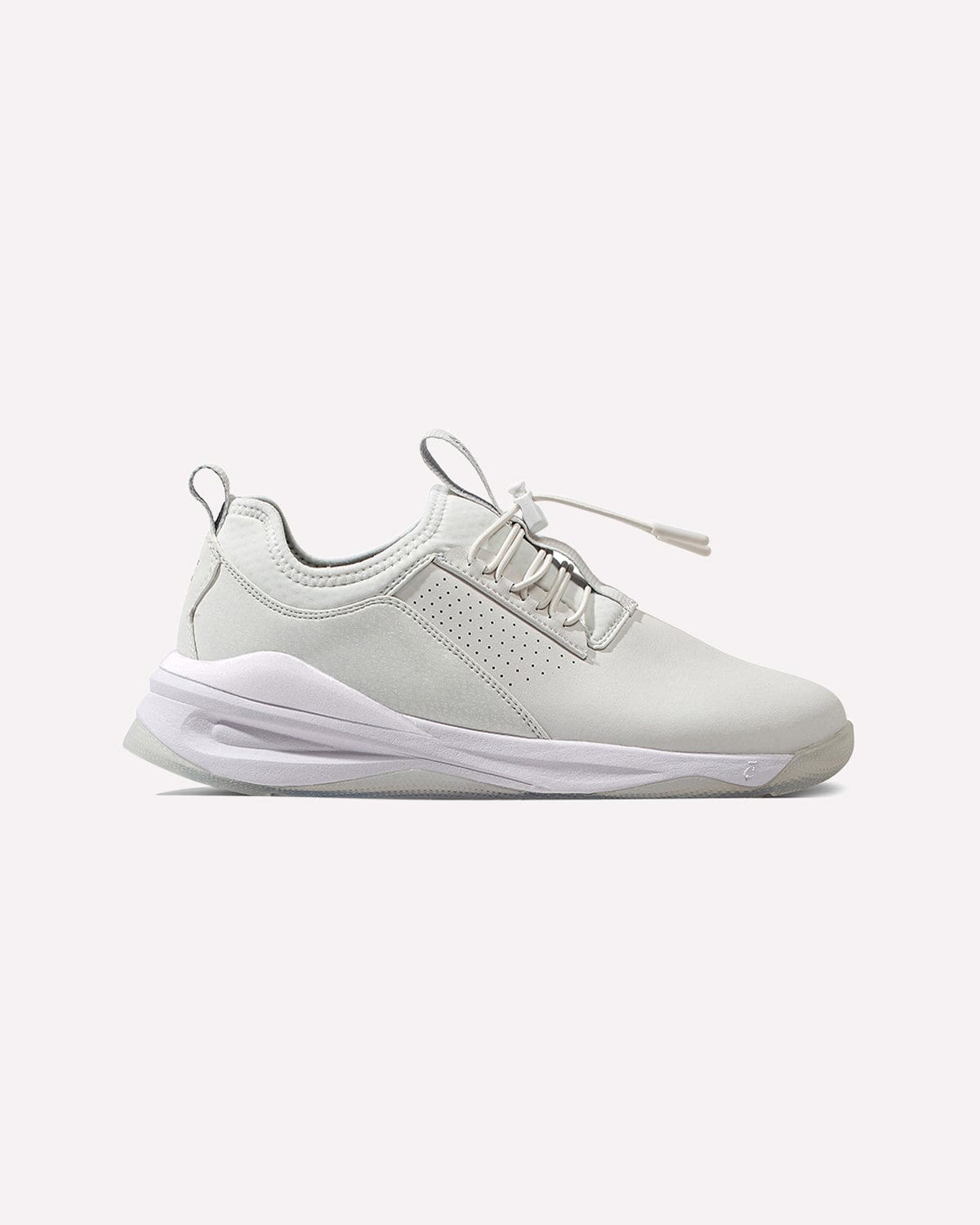


Cushioned & Clean
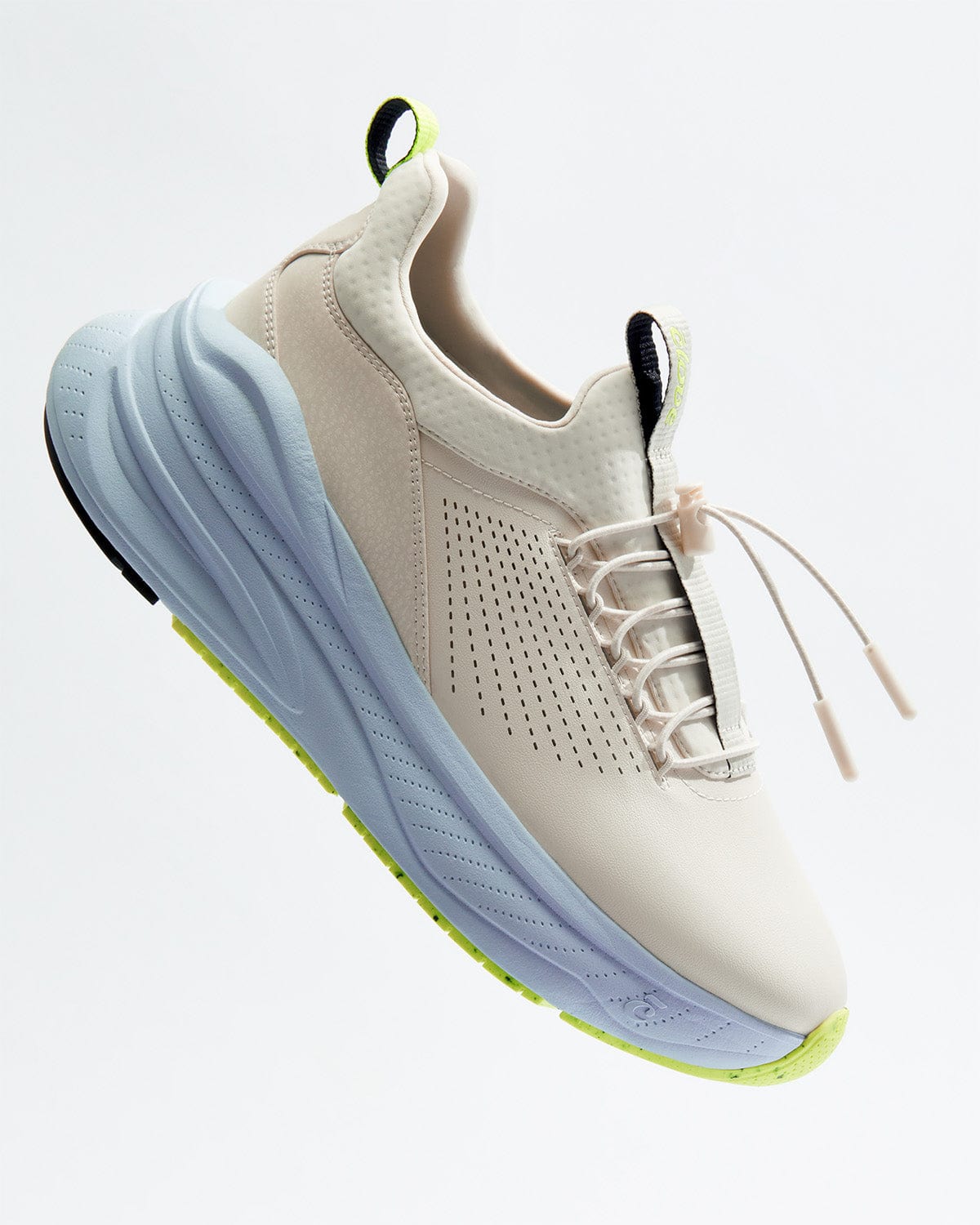
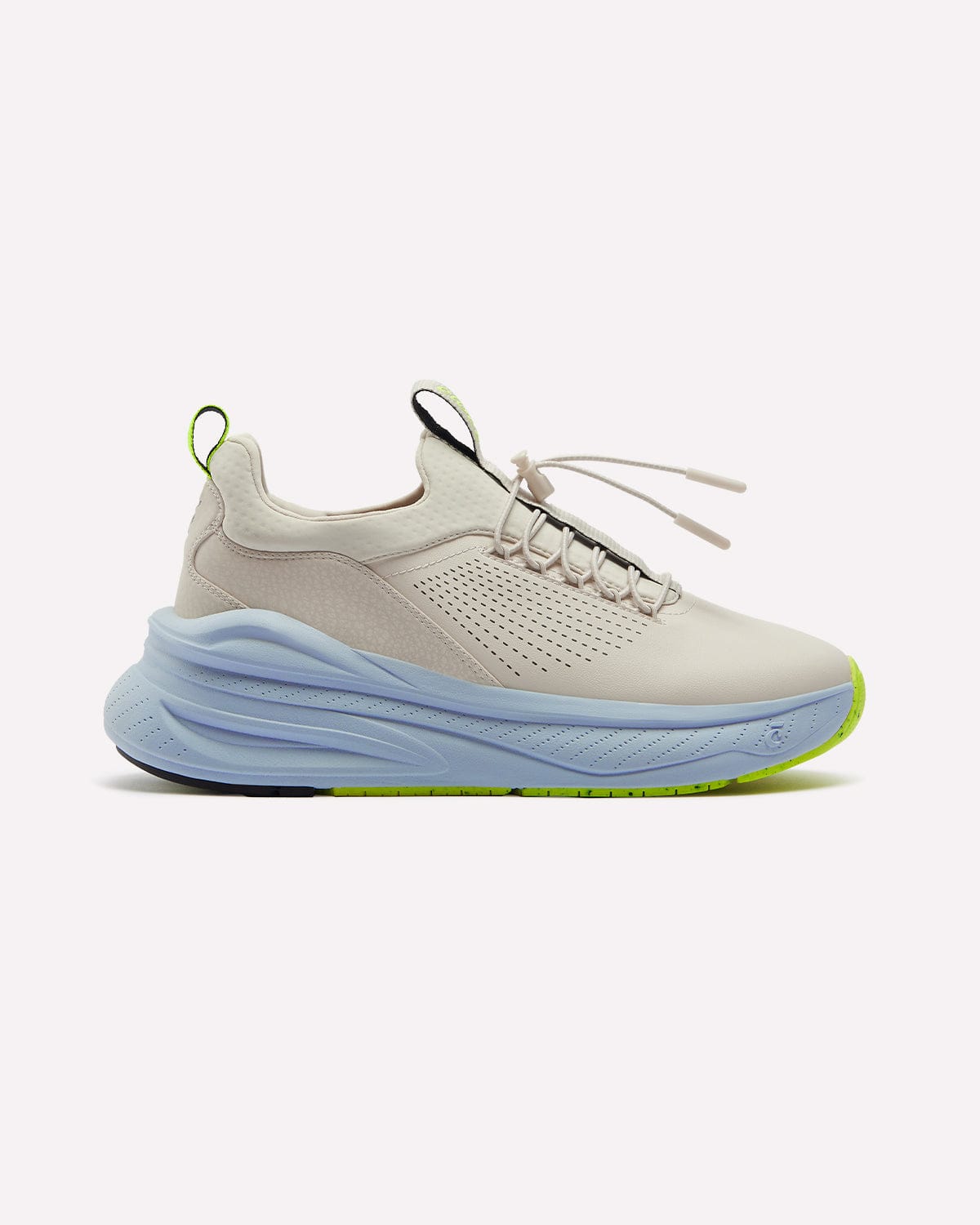


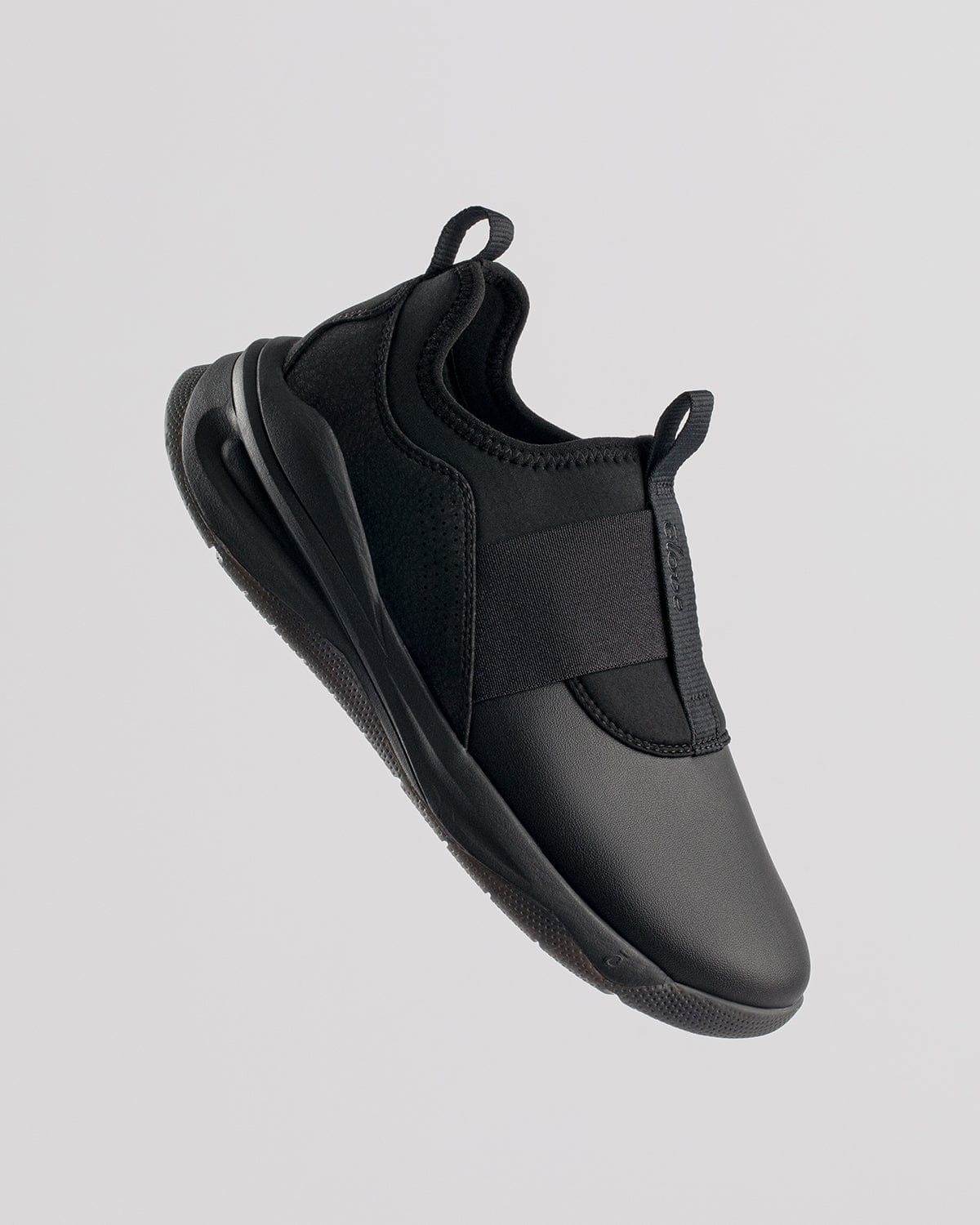
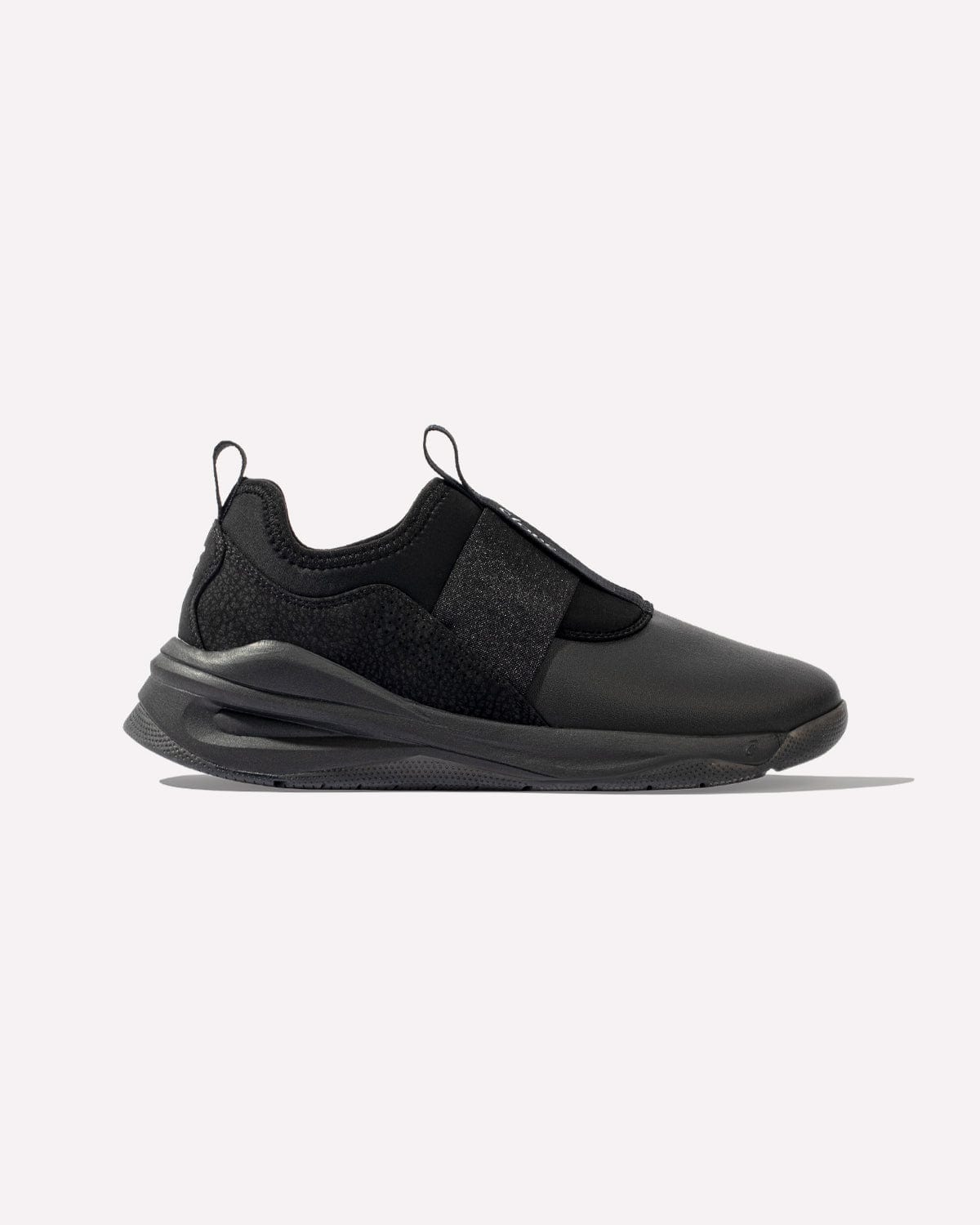


Save $48 when you bundle shoes, socks, and underscrubs!
Shop Now
Discount automatically applied at checkout.
Free socks with purchase of any shoe!
Shop now
Sock selection available in cart.
Free Standard Shipping on all orders over $50.
Shop now
Automatically applied on qualified orders within the US.
$10 OFF Recovery Slides with purchase of any shoe.
Shop Now
Discount automatically applied at checkout.
Sign up for #WithLove Rewards and earn with every purchase!
Sign Up


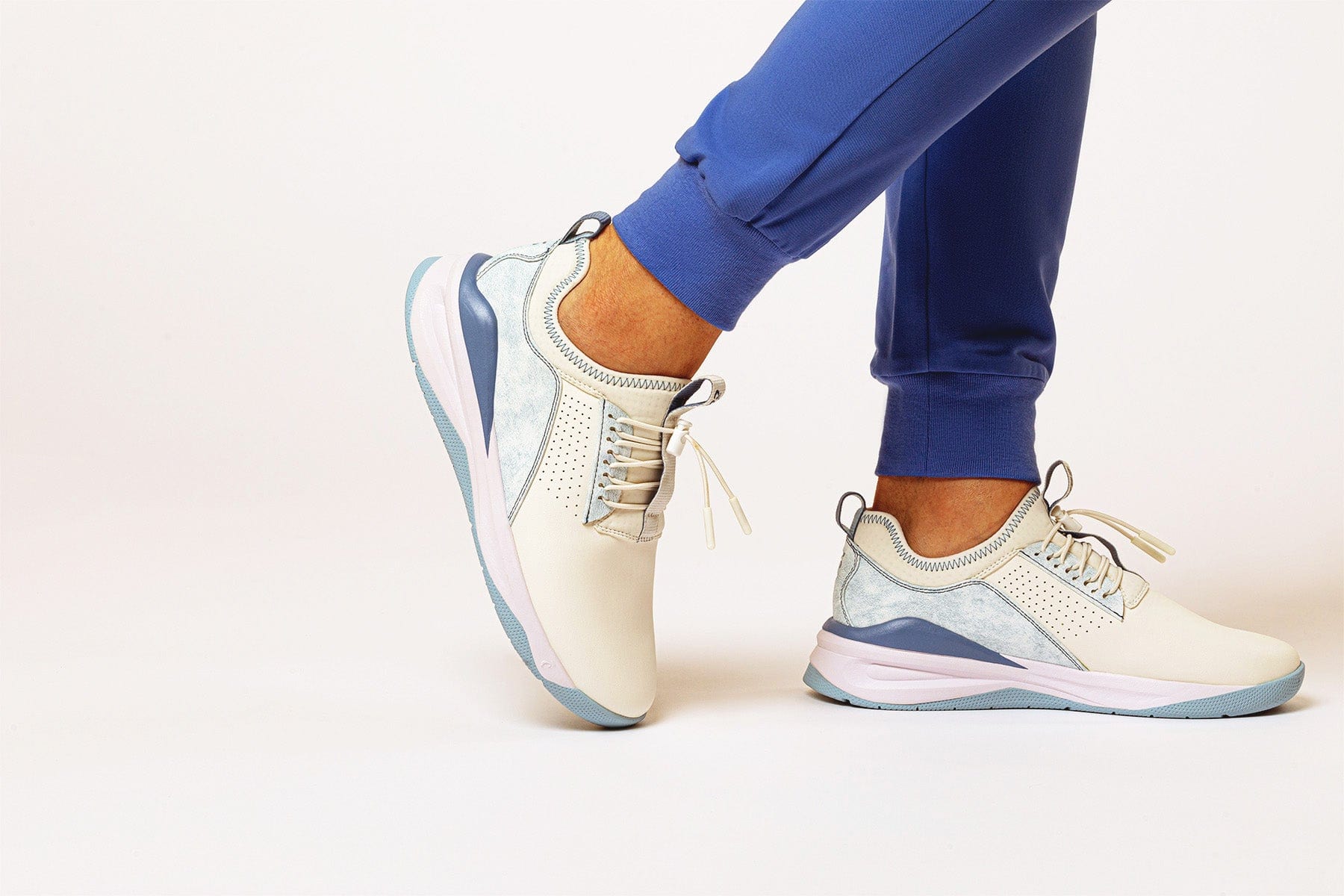
Whether you’re rounding for hours, standing through surgery, or moving between departments all day, one thing is constant: you’re on your feet.
Doctors and surgeons often log 10–14 hour days in environments where comfort, hygiene, and stability matter. The wrong footwear doesn’t just cause fatigue; it can affect posture, focus, and long-term joint health.
If you’re evaluating doctor shoes, here are the essentials that actually make a difference.
Standing in place for extended periods (especially in the OR) strains your arches, heels, and lower back.
Look for:
Dual-density support systems
Arch contouring
Deep heel cups for stability
Cushioning that doesn’t collapse mid-shift
Shoes like Clove Classic, Forte 2, and Strada incorporate structured support systems designed for prolonged standing and walking—not just casual wear.
The goal isn’t softness. It’s controlled, stable comfort that lasts from first patient to final chart.
Hospital floors are unpredictable. Sanitizer, irrigation fluids, and freshly cleaned surfaces increase the risk of slips, especially during long surgical cases or high-traffic rounds.
Doctor shoes should provide dependable traction.
All Clove shoe models are certified slip-resistant according to ASTM F3445 standards, a recognized benchmark for occupational footwear traction.
Grip should feel secure (and ideally squeak-free) so your focus stays where it belongs.
Doctors don’t have time for complicated shoe maintenance.
Regular sneakers may feel comfortable in the short term, but they can absorb spills and stains over time. Fluid-resistant materials make a meaningful difference.
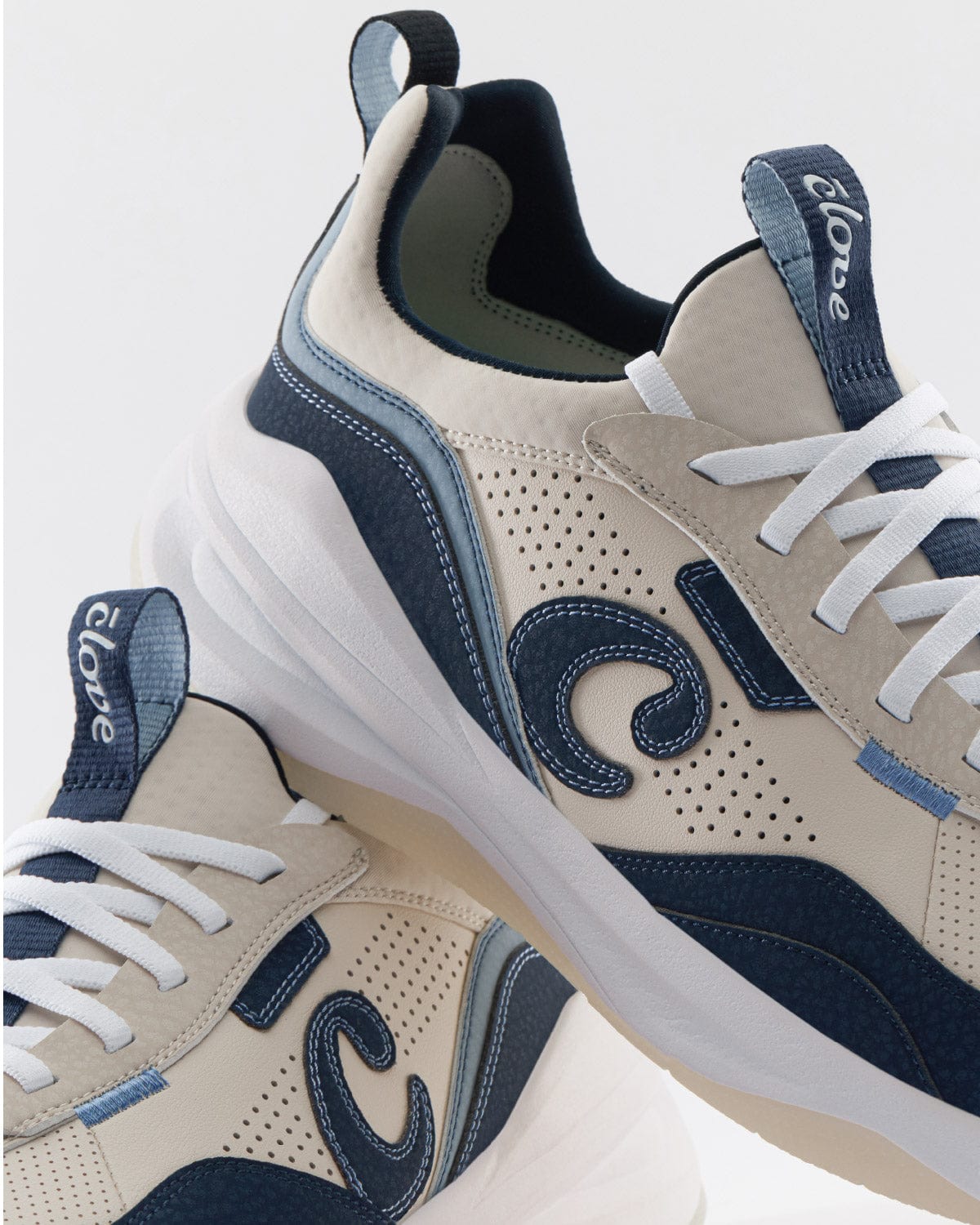
Clove shoes use Clarino™ vegan leather, a premium microfiber material that mimics leather while offering practical advantages:
Fluid-resistant surface
Wipes clean in seconds
Maintains professional appearance
Softens with wear
Simply wiping with a damp cloth removes dirt or smudges—no soaking required.
There’s a difference between plush cushioning and fatigue management.
Doctor shoes should:
Distribute pressure evenly
Maintain structural integrity
Reduce impact over extended standing
Forte 2 features Cush Foam Formulation™ designed to reduce fatigue during long hours.
Classic uses dual-density support for balanced comfort.
Strada includes the Contour Comfort System with deeper heel support and arch contouring.
The goal is sustained performance—not a pillow under your foot.
Long hours in temperature-controlled environments can still lead to heat and moisture buildup.
Doctor shoes should allow airflow while minimizing odor retention.
Clove integrates Contour Comfort insoles that help fight odor and bacteria. They’re removable and machine washable. When it’s time for a refresh, just wash them and they’ll bounce back.
That removable component helps maintain freshness across repeated shifts.
Doctors often balance performance with presentation.
Shoes should look clean, modern, and professional—without appearing overly athletic or overly casual.
Clove designs prioritize minimal silhouettes with practical construction. You don’t have to choose between performance and appearance.
Function doesn’t have to look clinical.
Whether you’re arriving early for rounds or finishing a long surgical case, convenience matters.
Slip-on construction (Forte 2)
Elastic no-tie laces (Classic)
Lace lock system (Strada)
Secure fit shouldn’t require constant adjustment.
Many physicians begin with general work or athletic shoes. Over time, the demands of long cases, spill-prone environments, and daily wear often shift priorities.
Footwear built specifically for healthcare settings accounts for:
Fluid exposure
Occupational slip resistance
Prolonged standing
Professional presentation
Repeated cleaning
Clove’s shoes have earned the APMA Seal of Acceptance, recognizing products found beneficial to foot health. Long days require intentional design.
Doctors benefit from shoes that offer structured support, slip resistance, and easy-to-clean materials — especially in clinical or surgical environments.
Some doctors wear athletic shoes for cushioning, but healthcare-specific footwear often provides better fluid resistance and occupational traction.
Slip-resistant shoes improve traction on hospital floors, particularly in high-moisture environments like ORs and emergency departments.
For daily wear, most healthcare professionals replace work shoes every 6–12 months, depending on usage and wear.
Clove shoes are designed for healthcare environments and offer certified slip resistance, fluid-resistant materials, and structured comfort suitable for long days on your feet.
How Often Should You Replace Your Nursing Shoes? (And How to Tell When It’s Time)
If you’re a nurse, your shoes probably work harder than most people’s gym memberships. And yet, many nurses wear the same pair of shoes far longer than they should. Not because they want to, but be...
Read more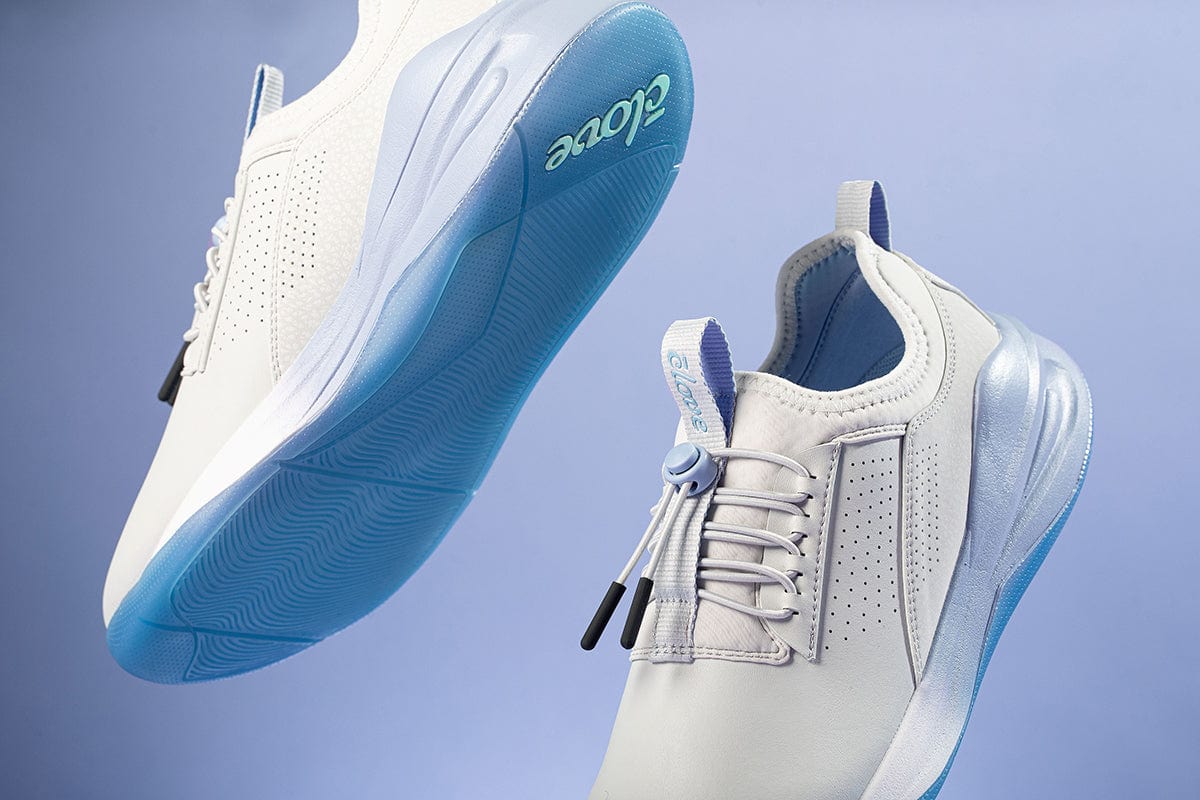
How to Clean Nursing Shoes (And How Often You Should Do It)
If you work in healthcare, your shoes see things most people never will. Sanitizer drips. IV leaks. Coffee spills. Medication splashes. Whatever mystery substance was on that hospital floor at 3 p....
Read more
