


Wide Available
Casual & Clean


Casual & Clean
Professional & Clean



Cushioned & Clean
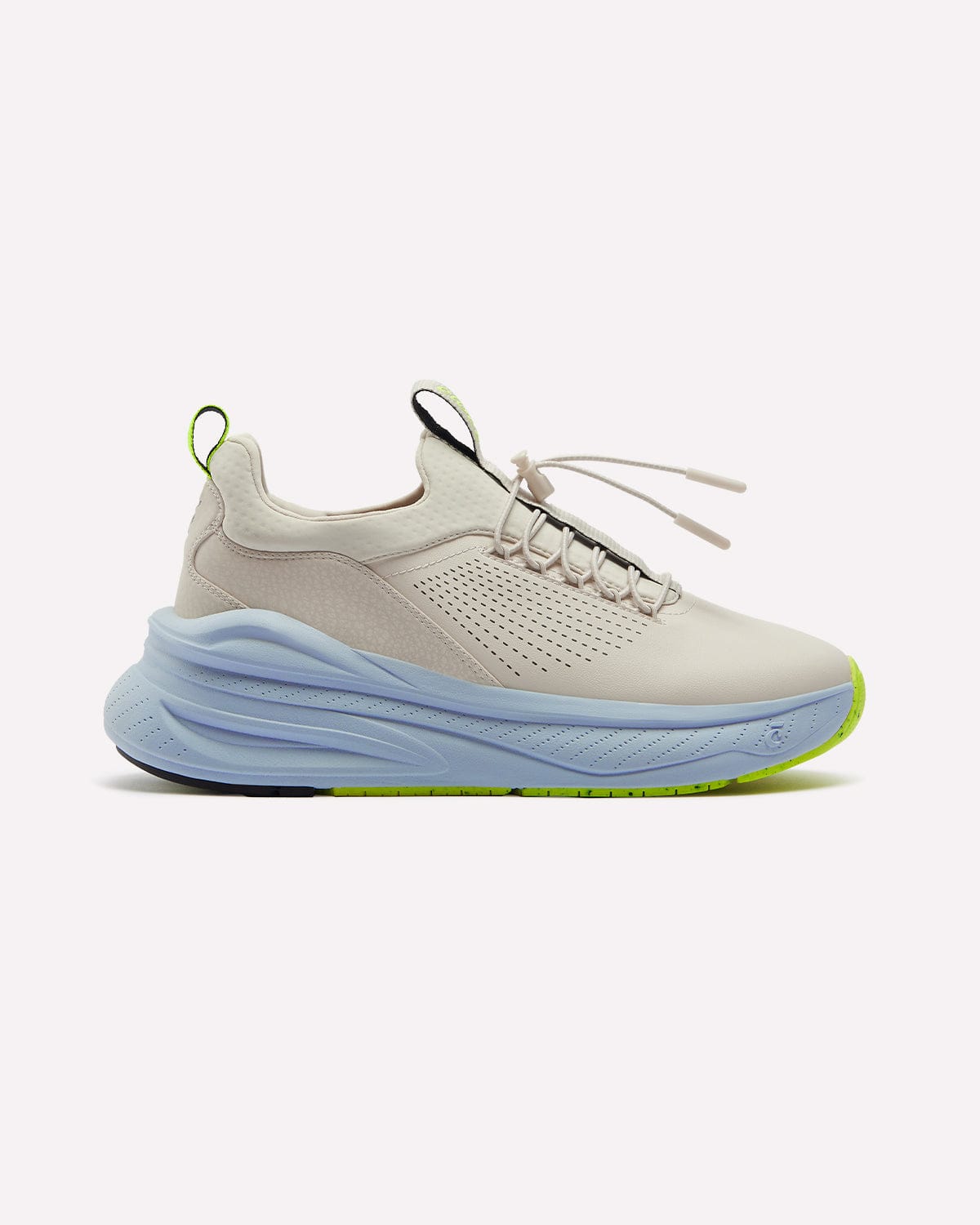


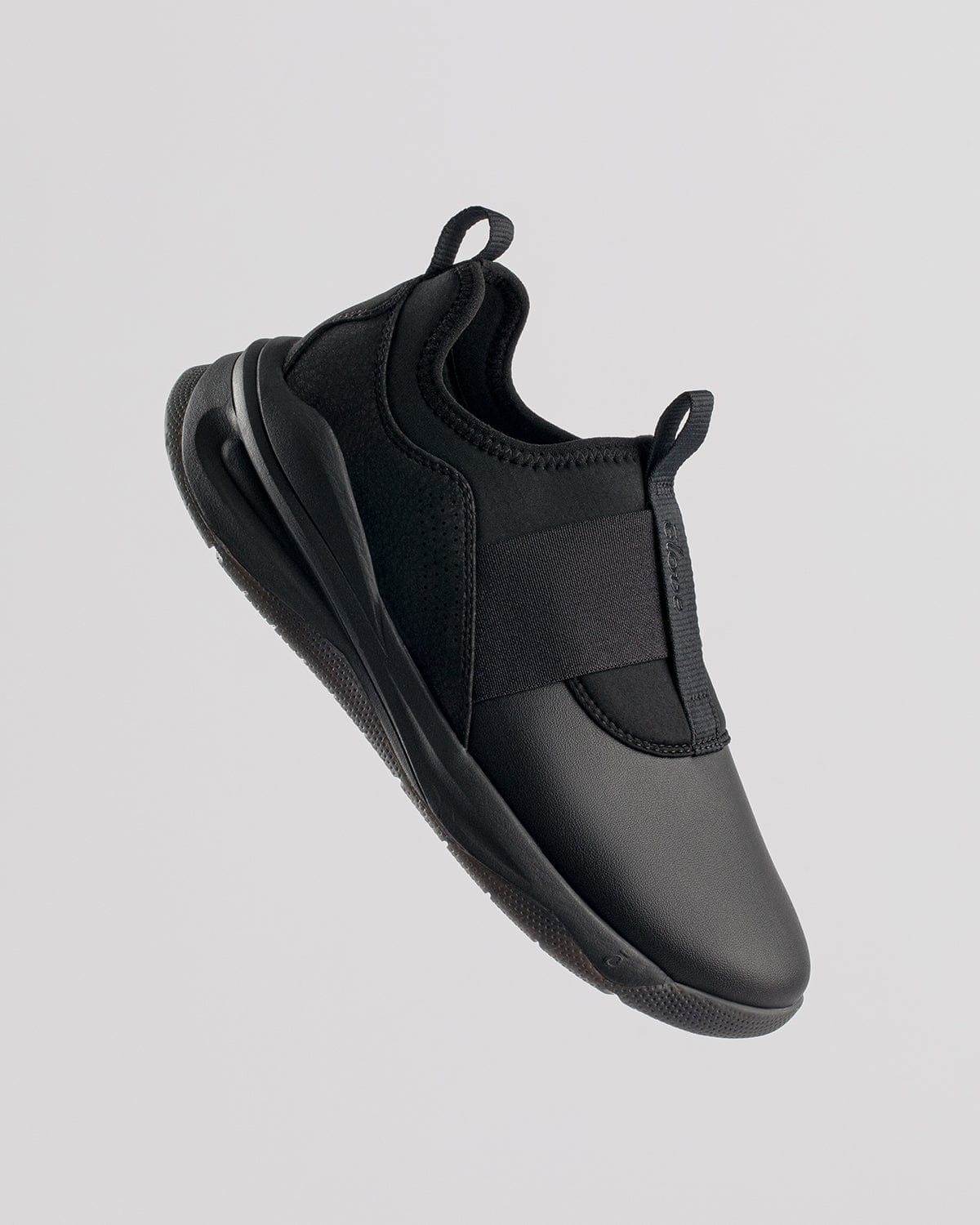
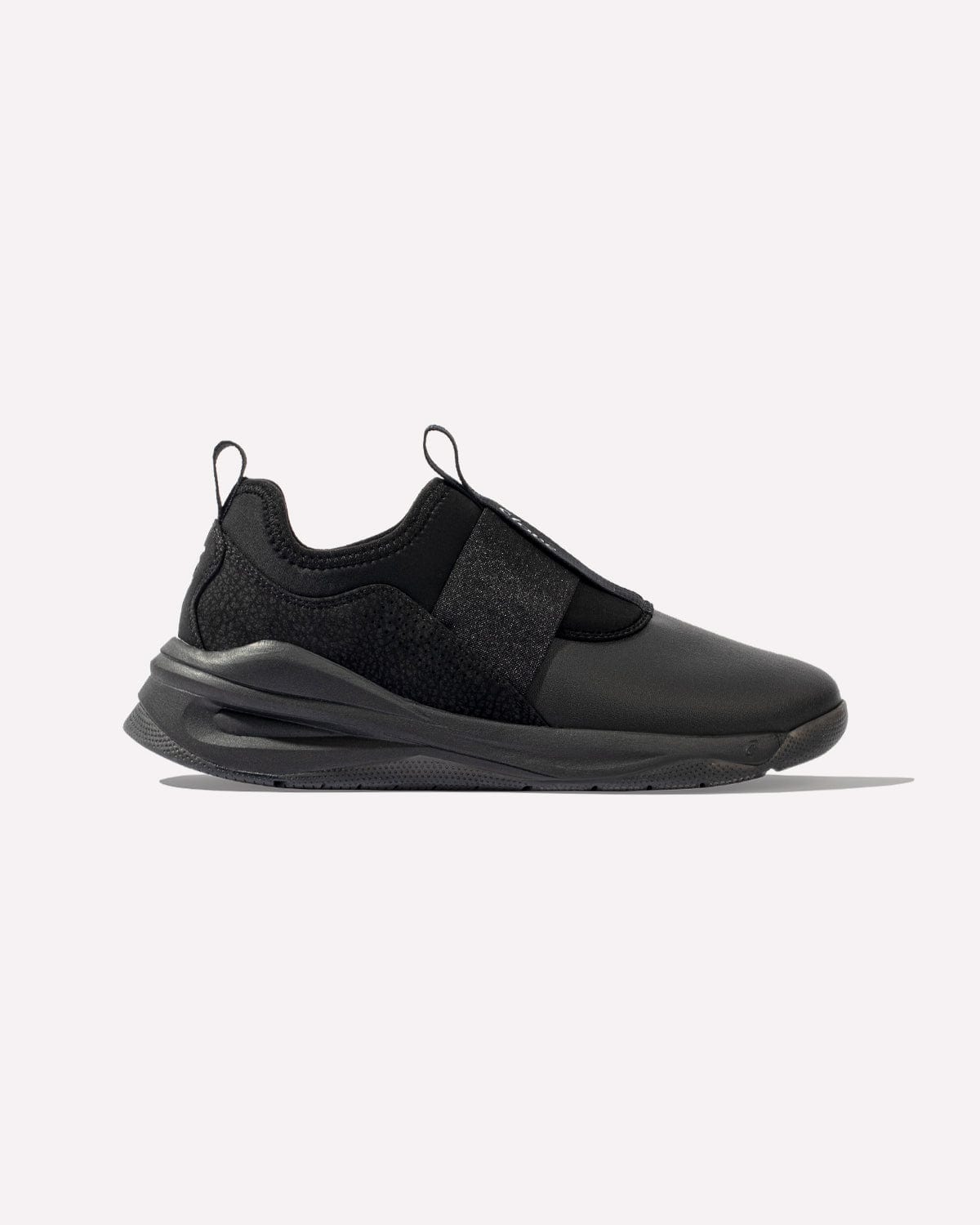


Save $48 when you bundle shoes, socks, and underscrubs!
Shop Now
Discount automatically applied at checkout.
Free socks with purchase of any shoe!
Shop now
Sock selection available in cart.
Free Standard Shipping on all orders over $50.
Shop now
Automatically applied on qualified orders within the US.
$10 OFF Recovery Slides with purchase of any shoe.
Shop Now
Discount automatically applied at checkout.
Sign up for #WithLove Rewards and earn with every purchase!
Sign Up


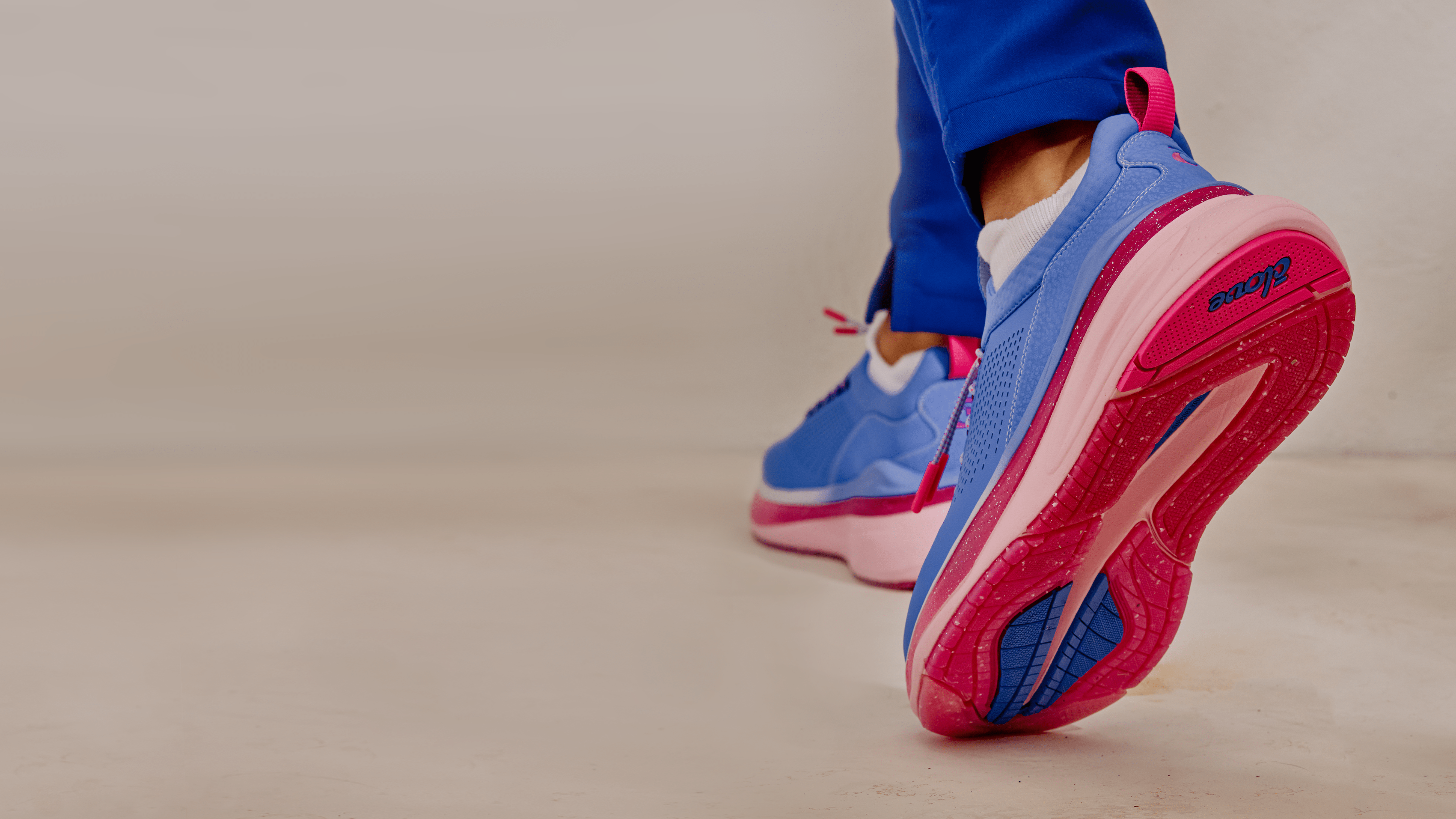
Every day, thousands of doctors slip into running shoes before heading into the hospital. On paper, they seem like a good fit for long days in the clinic or operating room. But healthcare shifts aren’t exactly the same as a morning run.
Running shoes are designed for forward motion and short bursts of impact. A doctor’s day is entirely different: long hours standing, moving between departments, leaning over patients, and navigating slick hospital floors.
So while running shoes might get you through the day, they’re not always built for the environment. Here’s how running shoes compare to purpose-built doctor shoes—and why footwear designed for healthcare tends to perform better over the long haul.
Technically, yes. Many doctors wear running shoes during their shifts. They’re comfortable and offer decent cushioning. But they’re designed primarily for athletic performance—specifically forward motion and impact absorption during workouts.
Medicine is a different kind of endurance test. Doctors spend hours standing in place during procedures, pivoting between patients, walking long corridors, and working in environments where spills, sanitation protocols, and traction all matter.
Running shoes typically prioritize:
Lightweight mesh uppers
Breathability for exercise
Responsive foam for forward propulsion
Doctor shoes, by contrast, are designed around clinical realities: stability during long standing periods, slip resistance, easy cleaning, and durability across repeated shifts.
Running shoes are built for exercise. Doctor shoes are built for endurance inside healthcare environments. Here are the key differences.
Running shoes tend to be over-optimized for movement. Doctor shoes are optimized for movement and support.
A runner’s stride follows a consistent pattern. But a physician’s day involves:
Standing through long procedures
Pivoting between equipment and patients
Walking hospital corridors
Remaining upright for extended periods
This kind of movement puts different pressure on the body. Doctor shoes use structured cushioning and stability systems to distribute weight evenly and reduce fatigue over time.
For example:
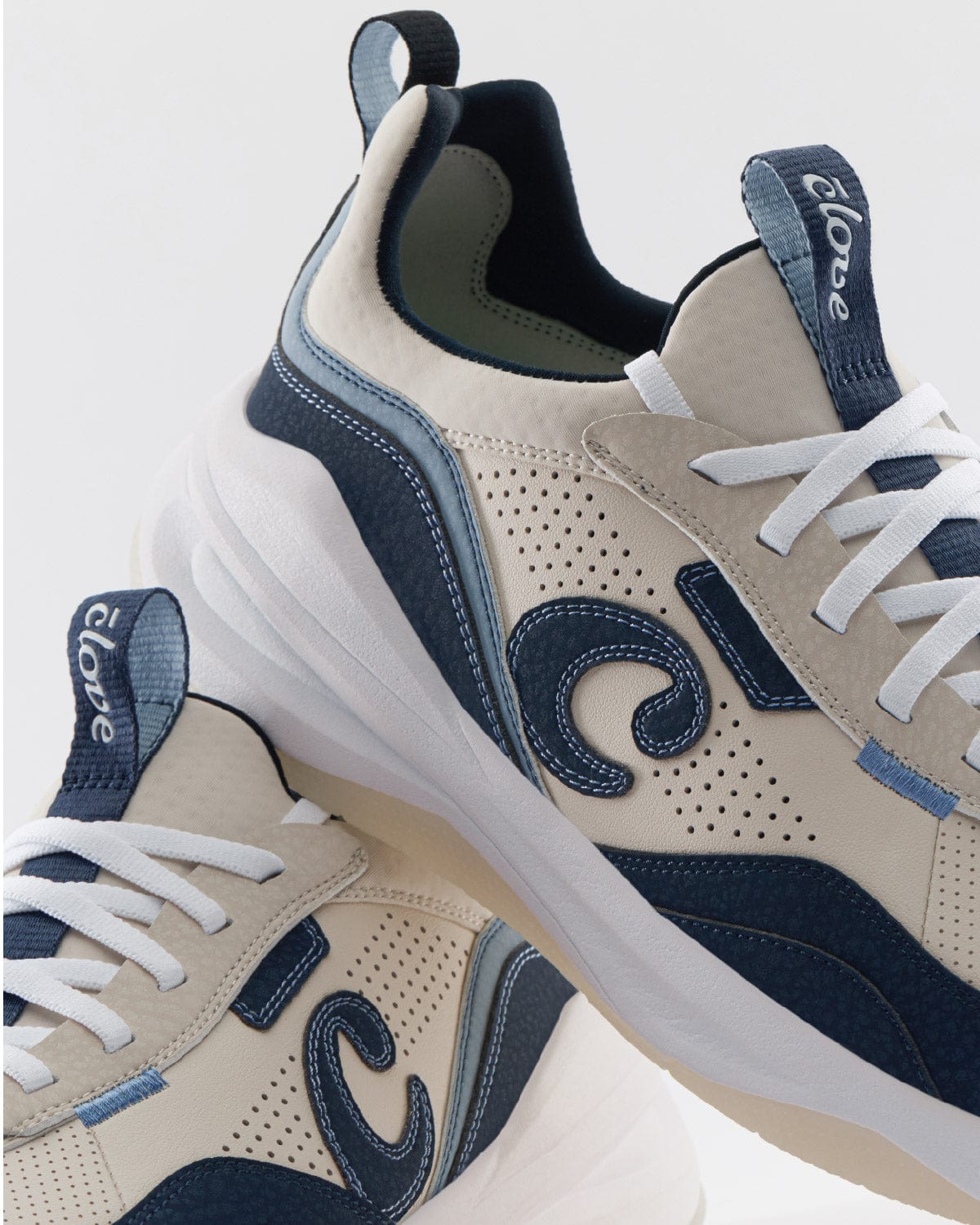
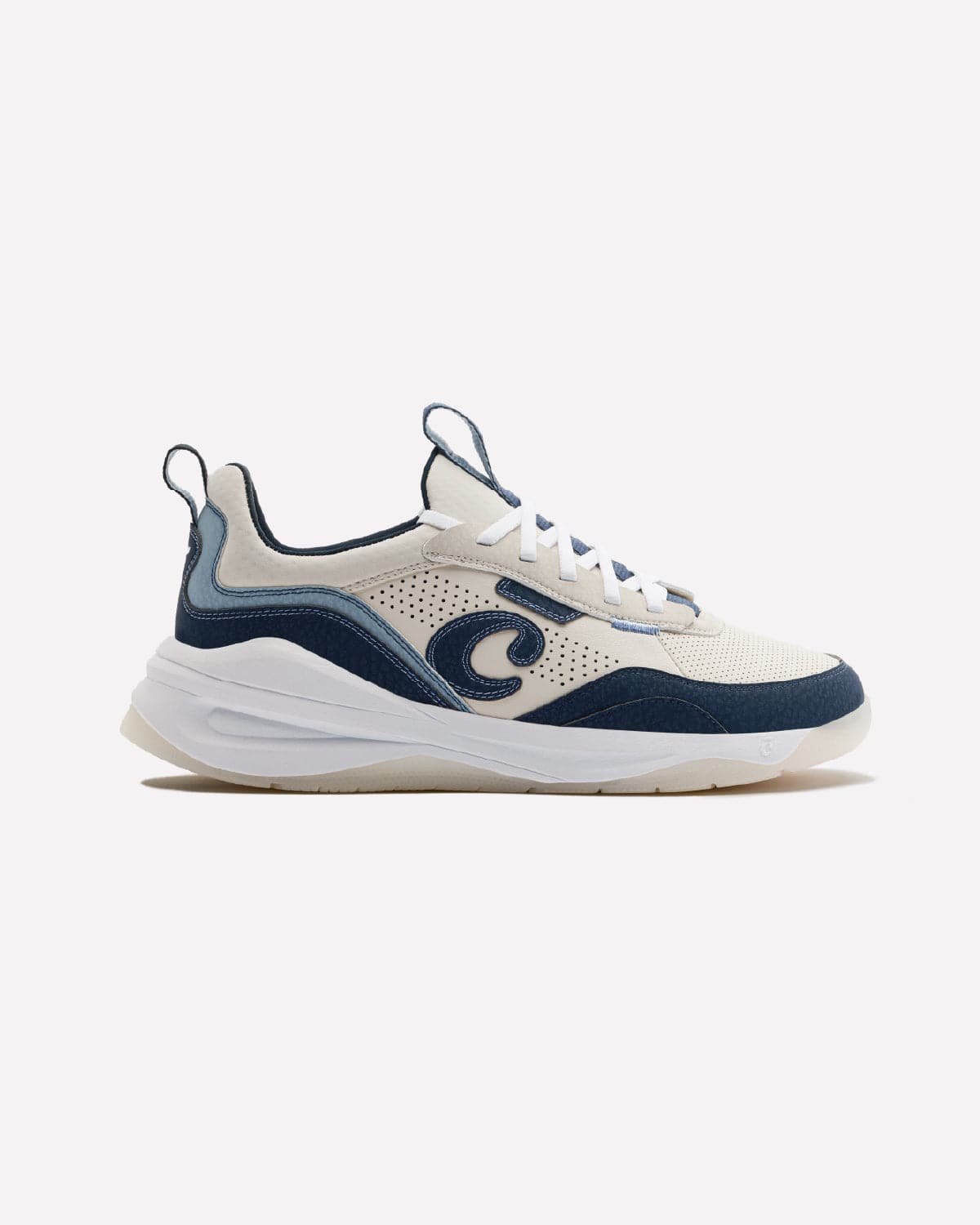
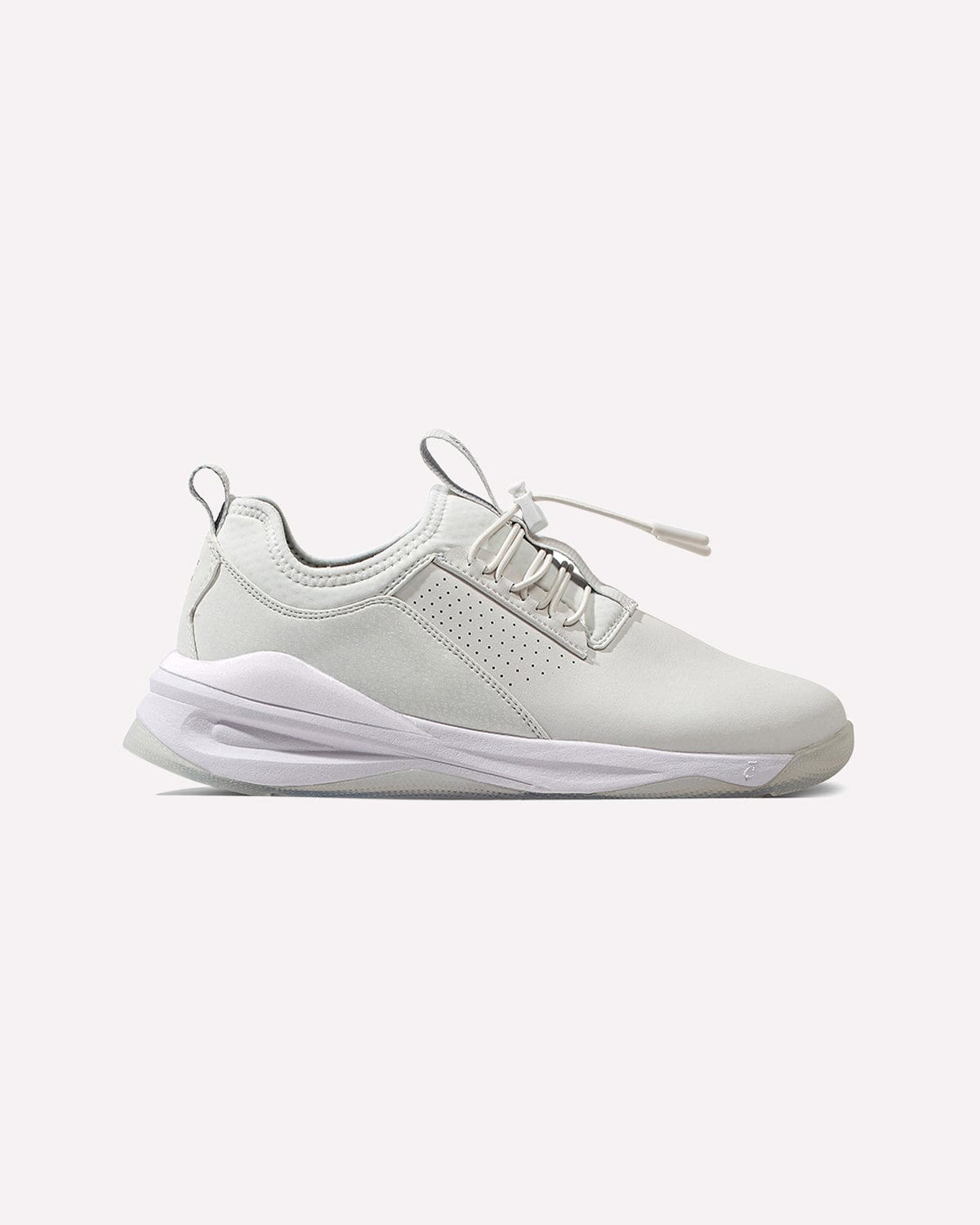
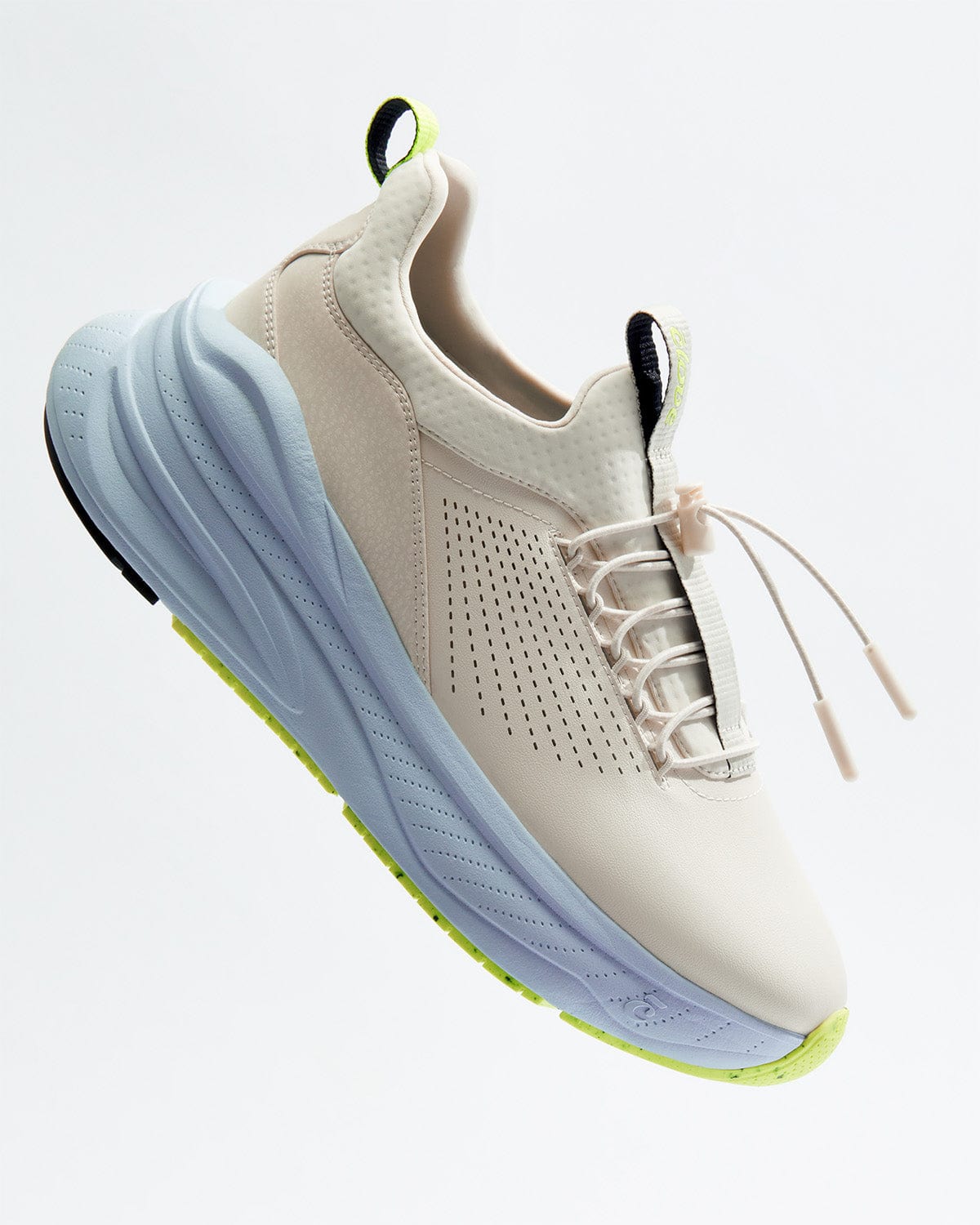
Clove Forte 2 features Cush Foam Formulation™ designed to reduce fatigue during long hours of standing or walking.
Clove Prima features full-foot support that’s specifically calibrated for 12+ hours on hard floors.
Clove Strada incorporates the Contour Comfort System with a deeper heel cup and enhanced arch contouring.
Instead of springing you forward, these systems support your body consistently across hours of clinical work.
Hospital floors can be surprisingly slick. Sanitizer, irrigation fluids, cleaning products, and spills are part of everyday healthcare environments.
Running shoes are typically designed for traction on pavement or gym flooring. Doctor shoes prioritize traction on polished tile and disinfected surfaces.
All Clove shoe models are ASTM F3445 certified for slip resistance, meaning their outsoles meet occupational traction standards designed to help prevent slips and falls on wet or oily surfaces.
And since hospital floors amplify noise, Clove soles are also 100% squeak-free. When you’re moving between patient rooms or navigating the OR, quiet stability makes a difference.
Healthcare can be messy.
Running shoes often use breathable mesh uppers. That material is great for airflow during workouts, but it also absorbs liquids easily.
Spills from coffee, sanitizer, medication, or other fluids can soak into mesh fabrics, making them difficult to clean.
Doctor shoes are built differently. Clove shoes use Clarino™ vegan leather, a premium microfiber material that mimics leather while offering practical advantages in healthcare settings.
Fluid-resistant surface
Wipes clean quickly
Maintains a professional appearance
Softens with wear
In most cases, a simple wipe with a damp cloth removes dirt or smudges. When your workplace involves unpredictable spills, easy maintenance becomes essential.
Running shoes are designed to breathe. Doctor shoes are designed to protect.
Mesh athletic shoes allow air to circulate freely, which is great for workouts but not ideal in environments where liquids are common. Shoes built for healthcare often incorporate fluid-resistant materials that help repel spills rather than absorb them.
Clove healthcare shoes combine fluid resistance with breathable construction, helping keep your feet comfortable without compromising protection.
Running shoes are typically built to last a few hundred miles of athletic use. Healthcare work is different.
Doctors may wear the same pair of shoes across:
Long procedures
Clinic hours
Hospital rounds
Daily commuting within large facilities
Over time, athletic midsoles compress and mesh uppers begin to wear down.
Doctor shoes are designed to handle repeated shifts and regular cleaning. Clove shoes include durable Clarino™ uppers and slip-resistant outsoles designed for clinical environments.
Translation: They maintain structure and support even after months of daily wear.
Running shoes are great for workouts. Doctor shoes are built for work.
Clove Nursing & Healthcare Shoes combine slip resistance, easy cleaning, fluid-resistant materials, and APMA-certified support—all designed for healthcare professionals who spend their days on their feet.
Whether you’re making rounds, performing procedures, or moving between departments, your footwear should support you through every step of the day.
Explore shoes built for doctors and healthcare professionals who need comfort that lasts an entire shift—and then some.
HOKA vs Clove Nursing Shoes: Which Is Better for Nurses?
If you’ve spent time researching shoes for nurses, you’ve probably come across both HOKA and Clove. Specifically, the HOKA Arahi is positioned as a stability work shoe for long hours on your feet. ...
Read more
Nursing Shoes for ICU Nurses: What to Look for During Long, High-Stakes Shifts
ICU shifts are intense. You’re standing at bedsides for hours, moving quickly when alarms sound, and navigating tight spaces filled with equipment, tubing, and monitors. The pace can swing from qui...
Read more
