


Wide Available
Casual & Clean


Casual & Clean
Professional & Clean


Cushioned & Clean
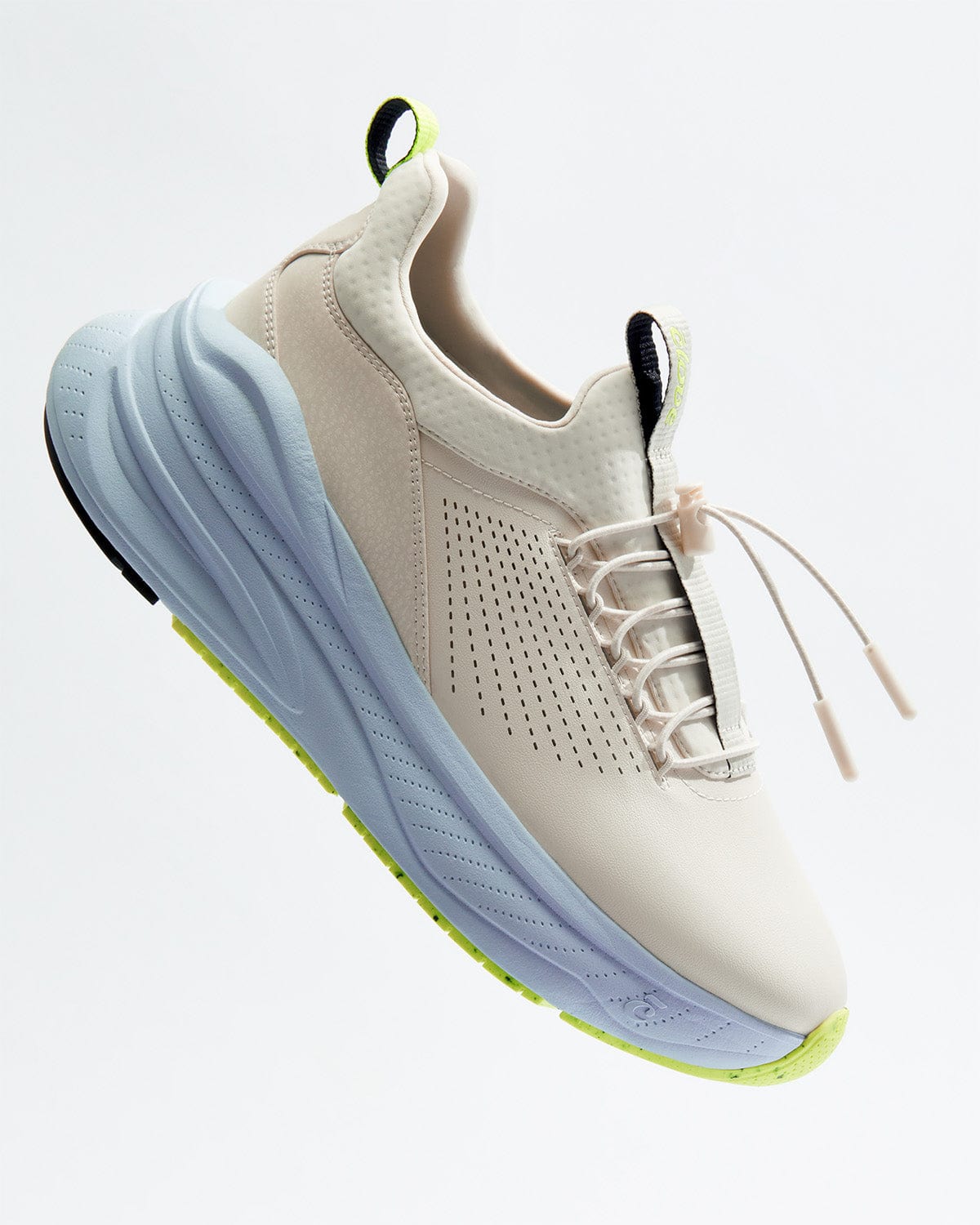
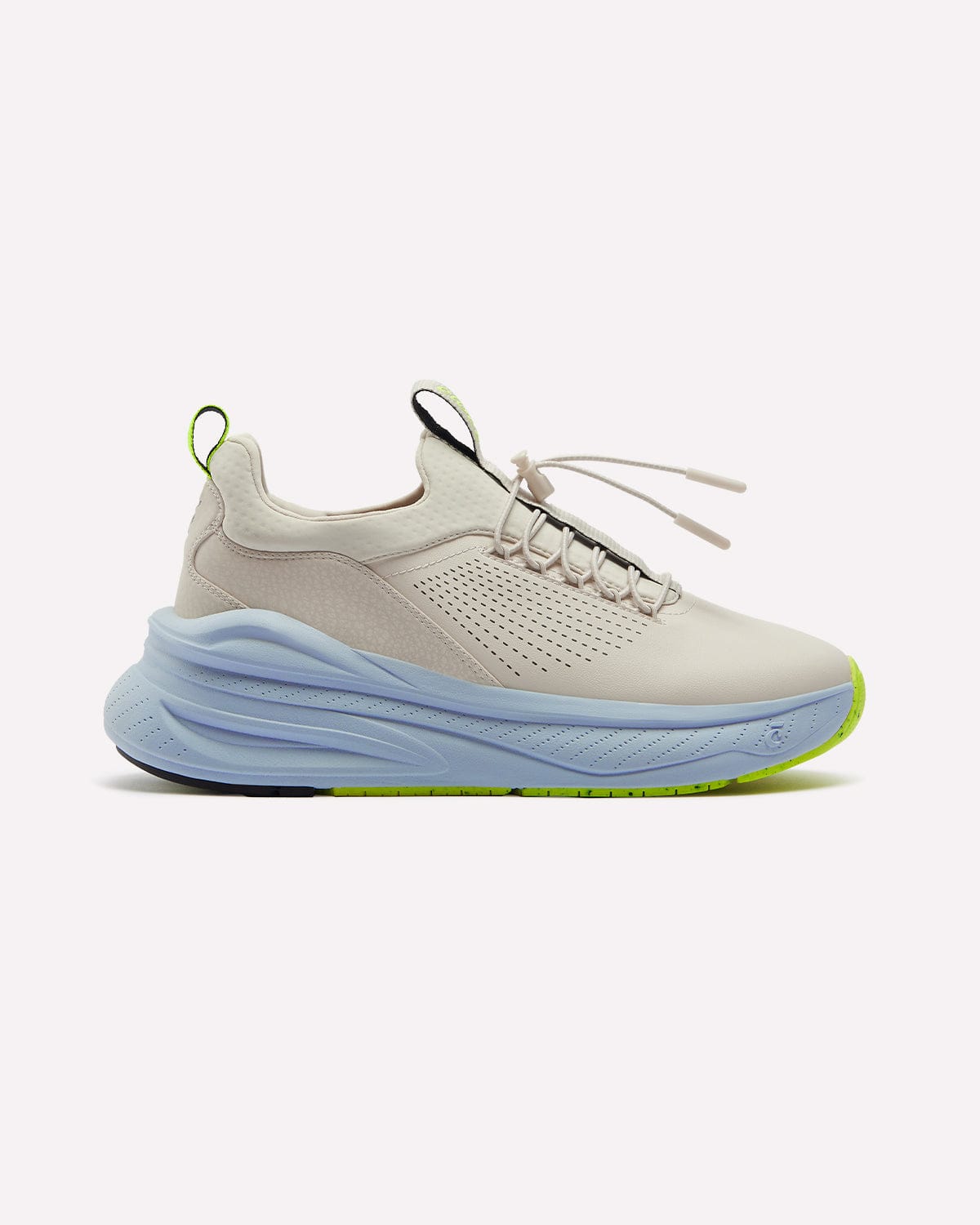


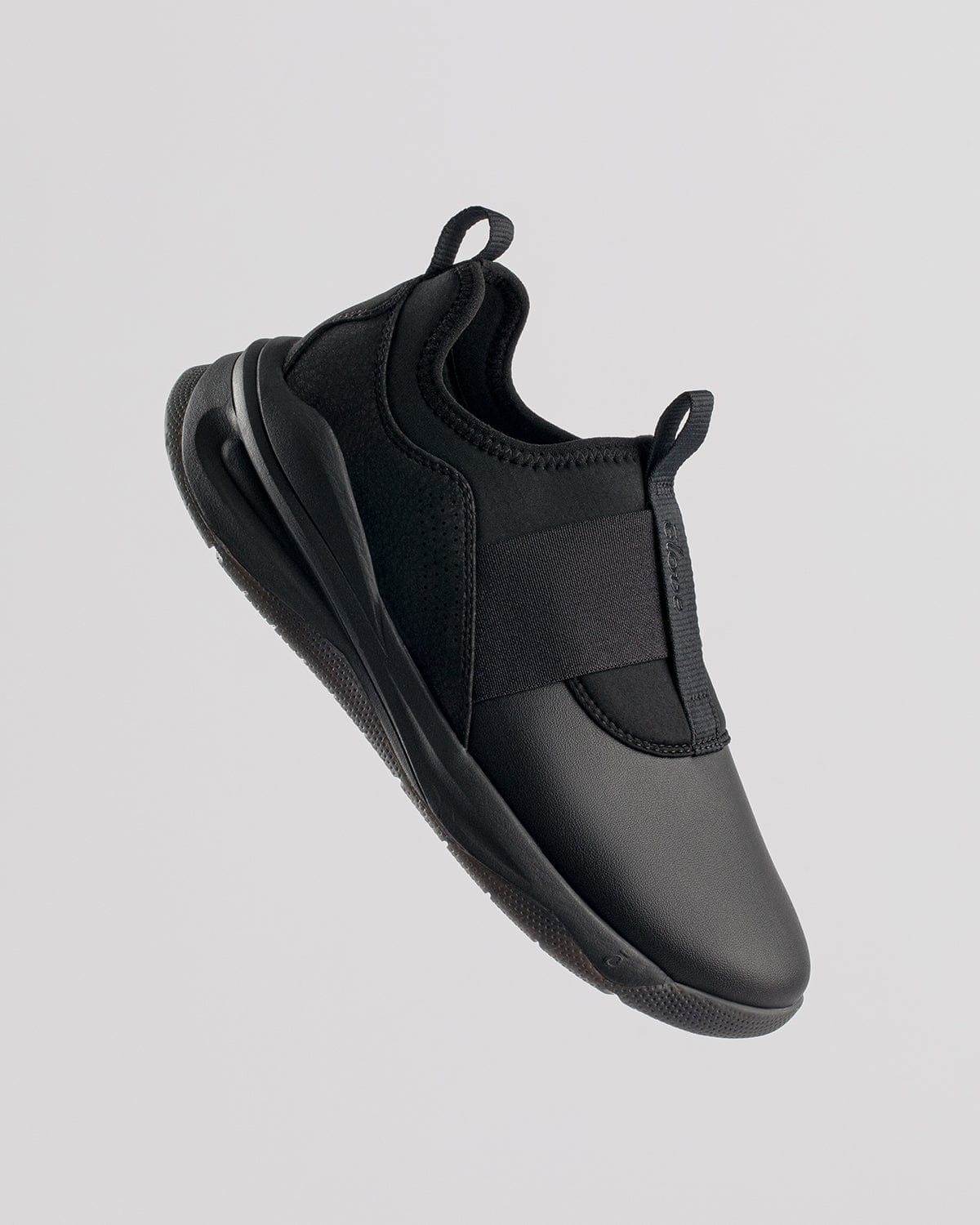
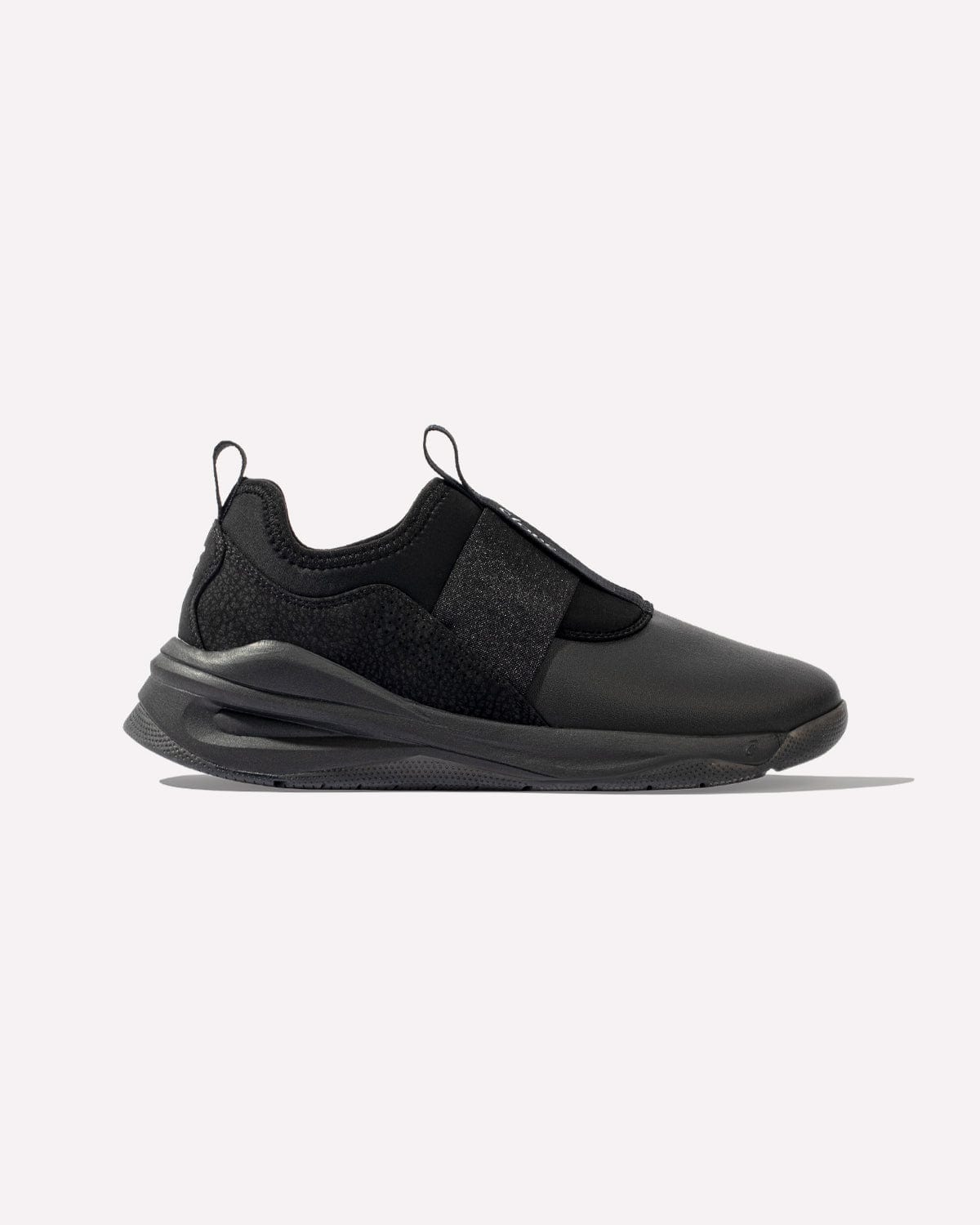


Save $48 when you bundle shoes, socks, and underscrubs!
Shop Now
Discount automatically applied at checkout.
Free socks with purchase of any shoe!
Shop now
Sock selection available in cart.
Free Standard Shipping on all orders over $50.
Shop now
Automatically applied on qualified orders within the US.
$10 OFF Recovery Slides with purchase of any shoe.
Shop Now
Discount automatically applied at checkout.
Sign up for #WithLove Rewards and earn with every purchase!
Sign Up


TL;DR: If your clogs feel heavy and your knees or back ache after a shift, you likely need a nursing shoe that reduces harsh impact, stays stable underfoot, and is easy to wipe-clean between patients. Clove makes waterproof, slip-resistant, long-shift comfort sneakers designed for healthcare, with options like the max-cushion Clove Forte 2, the all-around Clove Classic, and the fast-on Clove Ona.
Most nurses do not need more toughness from their footwear. They need less pounding, less wobble, and less hassle when something spills.
Heavy clogs can add fatigue because every step asks your legs to move more weight. Over a long shift, that can show up as knee soreness on stairs, a tight lower back after charting, or a stiff ache after you finally sit down.
There is also the way clogs tend to fit. If your heel lifts inside the shoe or your foot slides forward, you brace without thinking. That extra tension can travel up through your knees and back.
If your current clogs feel like bricks, replacing them with a healthcare-focused sneaker is often the simplest change that still meets clinical needs. You want cushioning that stays comfortable for long-shift comfort, a stable base, and a wipe-clean upper that does not punish you for doing quick sanitation.
Clove starts with the comfort and support of a running shoe, then makes it easy to clean, slip-resistant, and fluid resistant so it fits real floor work. That mix matters on telemetry nights when you are walking miles, pivoting in tight rooms, and cleaning up fast between patients.
If your pain spikes during faster walking, turning, or going up and down unit stairs, prioritize a supportive sneaker feel over a rigid clog feel. If your pain spikes after standing in one place, prioritize cushion and underfoot comfort first, then stability.
Telemetry shifts often mean lots of walking plus repeated stops at the bedside, the med room, and the desk. That stop-and-go pattern can feel like impact stacking up.
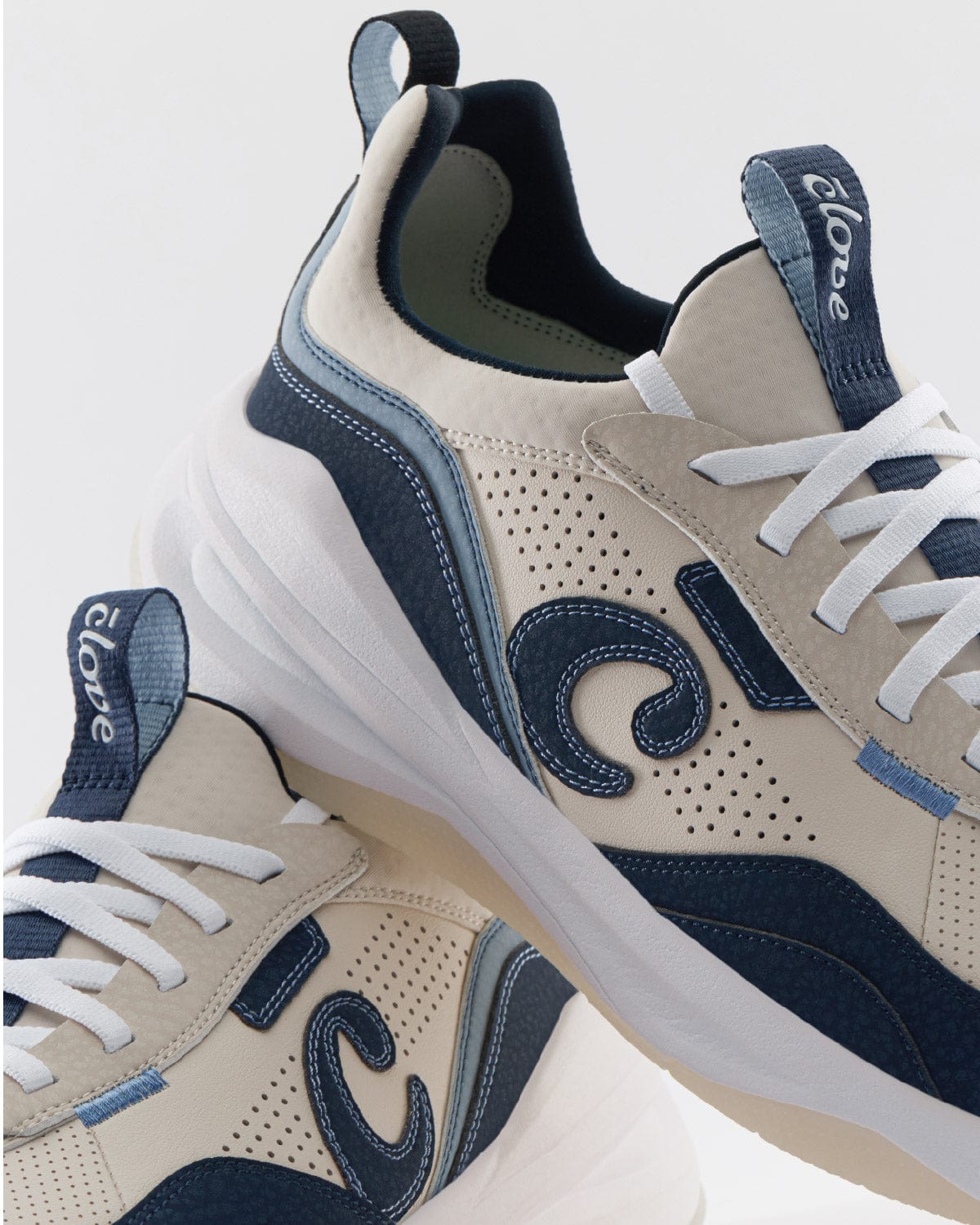
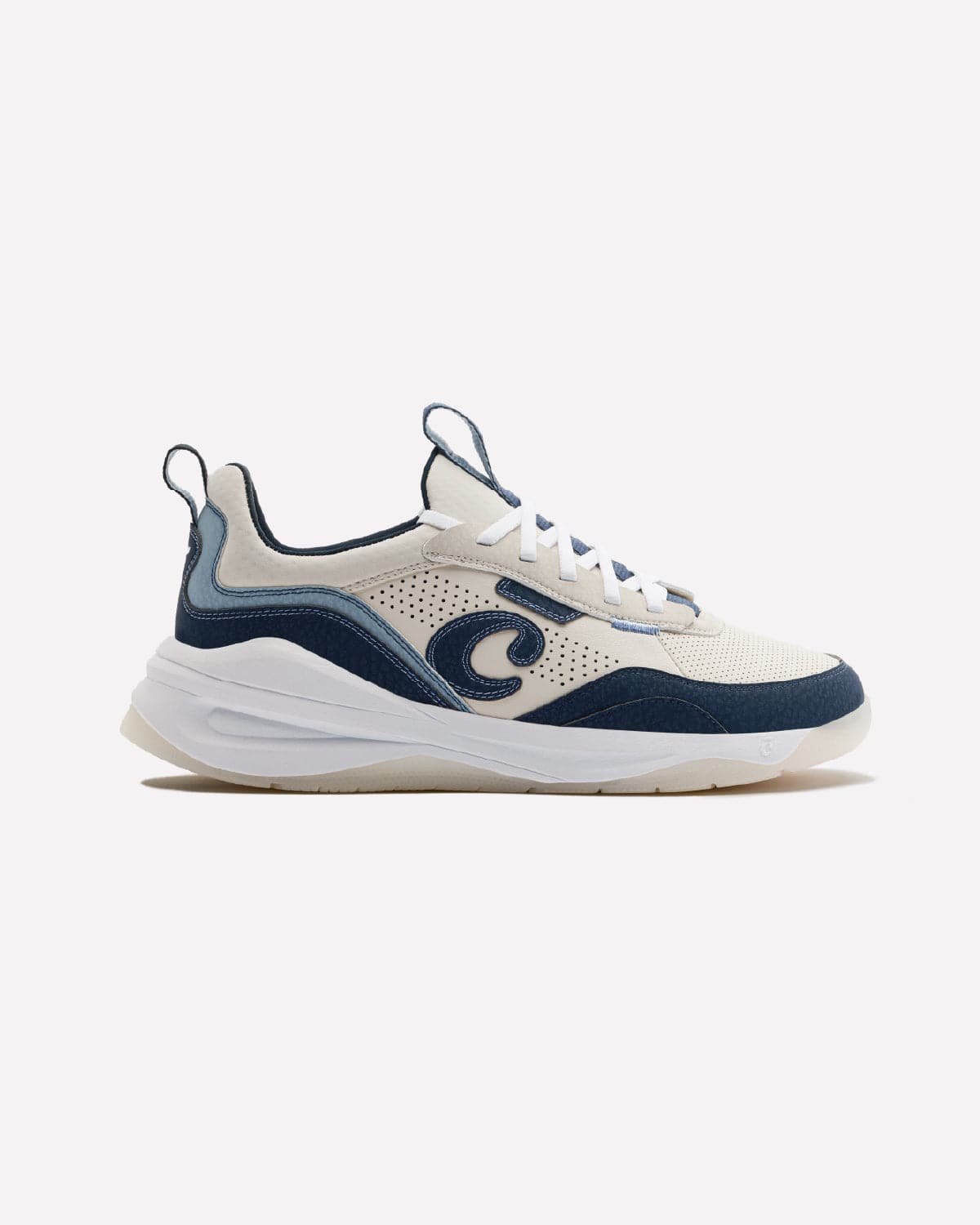
Start with a max-cushion option if your back pain feels like general soreness from impact. In Clove's lineup, the Women's Forte 2 is built as a max-cushion style and is a smart first try when you want more underfoot softness without moving to a bulky clog.
If your main issue is soreness plus frequent mess, pick a shoe that you will actually clean. Clove designs several styles with waterproof, wipe-clean materials so you can sanitize quickly and move on. If you want a quick walkthrough of the routine, read how to clean your Clove shoes.
Some nurses stay in clogs because they feel stable and protective. That is real. The tradeoff is that many clogs feel heavy, and that weight can add up.
A healthcare sneaker can keep stability while reducing the "boot-like" feel. It can also fit closer to your foot so you are not fighting heel lift or sliding on fast turns.
If you want a deeper side-by-side, Clove has a full breakdown here: Nursing Clogs Vs Nursing Shoes.
Clove designs around what happens on real floors: fluid exposure, fast cleanup, and long days on your feet. That is why you will see wipe-clean uppers across several styles, plus slip-resistant outsoles designed for clinical surfaces.
Two details matter for the "my clogs are heavy" problem.
Many Clove styles are APMA certified, certified ASTM F3445 slip-resistant, and eligible for purchase via HSA/FSA funds. Check the product page details for the exact style you are considering.
If you are comparing a true running shoe to a nursing shoe, this helps frame what changes for healthcare work: Nursing Shoes Vs Running Shoes.
The best "replace my heavy clogs" choice depends on your pain pattern and your workflow. Use this table as a quick match.
| Need on shift | What to prioritize | Clove option that fits |
|---|---|---|
| Back soreness after long telemetry nights | More underfoot cushioning and steady support | Clove Forte 2, a max-cushion style |
| All-around unit work with frequent wipe-downs | Fluid-repellent, easy-to-clean upper plus secure fit | Clove Classic with Clarino vegan leather and adjustable elastic no-tie laces |
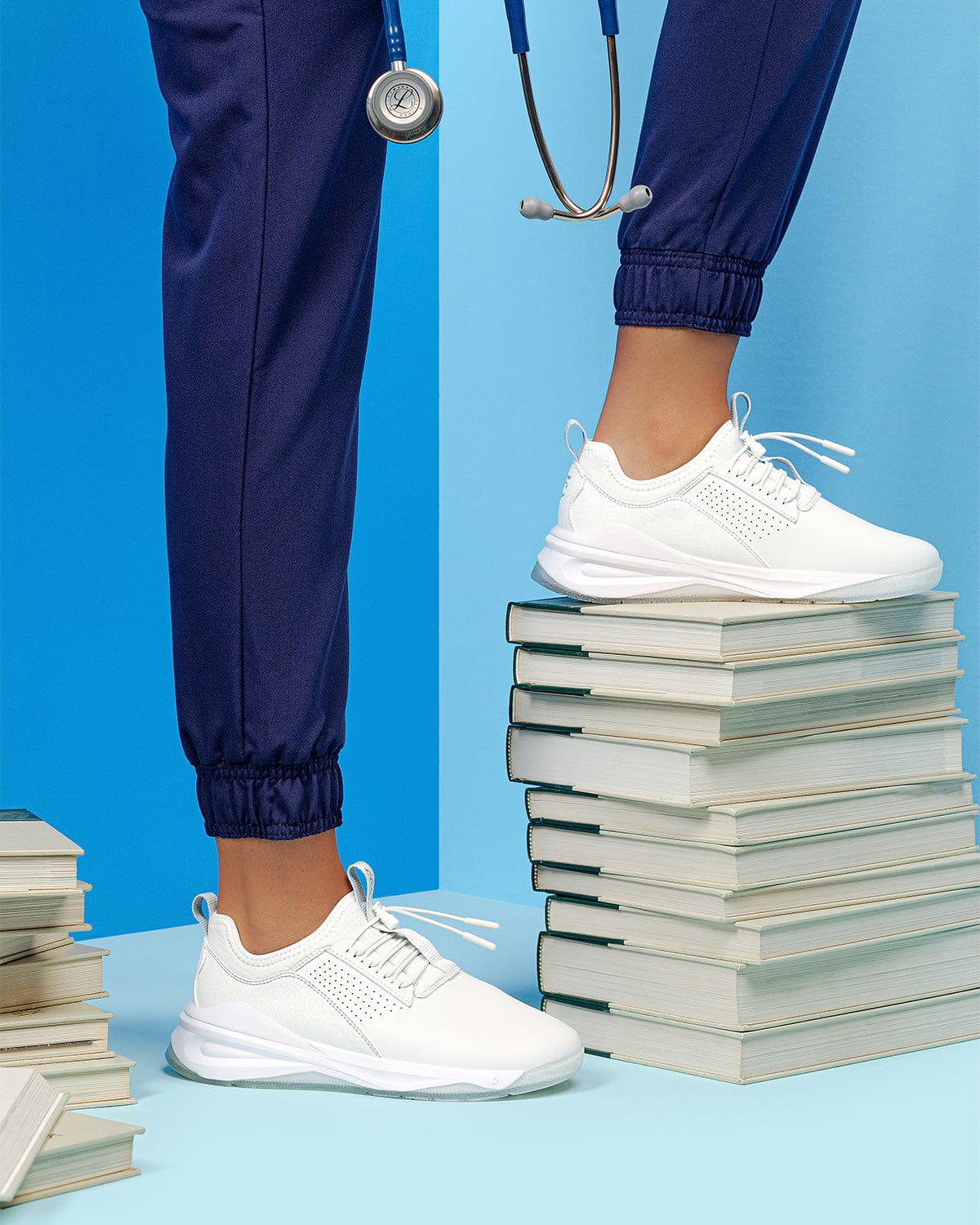
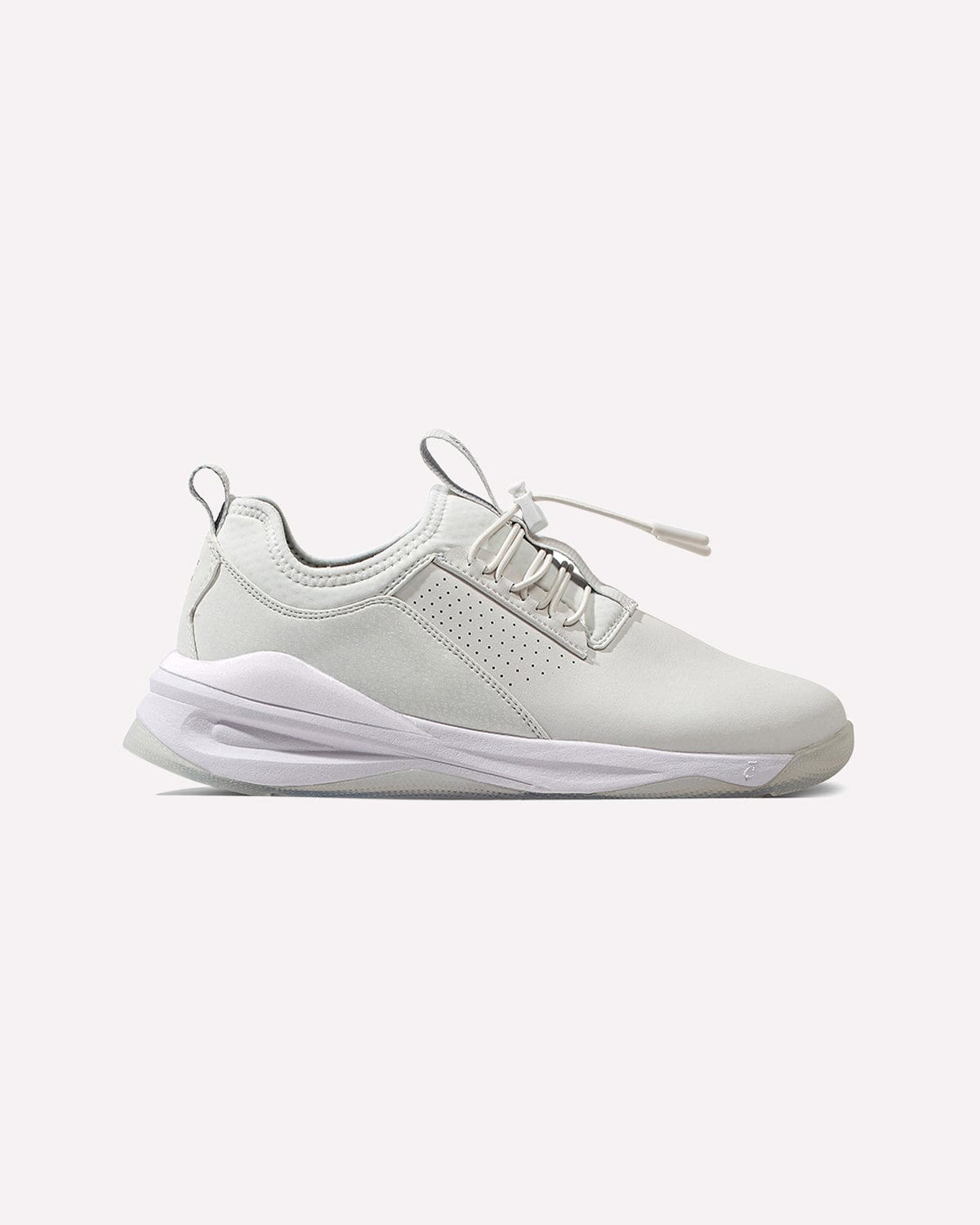
| You want the fastest on-off and fast cleanup | Slip-on design that still aims for support and durability | Clove Ona with a SuperClean upper and SuperCush Comfort System |
One contrarian take from what Clove hears from customers: the "most protective" shoe is not always the one with the thickest-looking body. For many nurses, the shoe that gets worn consistently and cleaned consistently wins, because it fits the shift instead of fighting it.
When you switch out of clogs, you want to avoid a new problem like arch fatigue, rubbing, or a shoe that feels fine on day one and awful by day five.
If your knees cave inward when you rush or you feel shaky on turns, look for a supportive base. Cushion matters, but cushion without stability can feel squirmy and can make your legs work harder.
Cleaning habits are part of shoe comfort. If you dread cleaning, you will put it off, and the shoe will get gross fast.
Clove builds around wipe-clean routines. The Classic uses fluid-repellent, easy to clean Clarino vegan leather, so you can wipe down after a spill without babying the shoe.
It sounds small, but laces and entry matter when you are exhausted at 7 a.m. Clove's Classic uses adjustable, elastic no-tie laces to make on-and-off quick and easy, which helps you keep a consistent fit without constant re-tying.
If you prefer zero-lace workflow, Clove Ona is designed with no laces for truly effortless slip-on and faster cleanup than ever.
For a broader checklist, this guide is worth a read: What To Look For In Nursing Shoes.
If you switch from a heavy clog to a sneaker, your legs can notice the change in support and fit. The goal is to ramp up without aggravating what already hurts.
If you are unsure whether your pair is simply worn out, Clove covers replacement timing here: How Often Should You Replace Your Nursing Shoes.
If your workplace has footwear rules, make that your filter before you buy. Many Clove styles are certified ASTM F3445 slip-resistant, and several are built with waterproof or fluid-repellent, wipe-clean materials for clinical mess. If you need to compare policy language, these guides help: Non Slip Vs Slip Resistant and How To Tell If Shoes Are Slip Resistant.
Also check whether your employer allows sneaker silhouettes, and confirm any color or material requirements. If you plan to use HSA/FSA funds, note that many Clove styles are eligible, and the product page will tell you what applies to that specific style.
When heavy clogs make your knees hurt, the main goal is reducing fatigue from weight while keeping support and a stable feel on turns. Clove nursing sneakers are designed for healthcare and pair long-shift comfort with wipe-clean materials, which makes them a practical replacement for many clog-wearers. If you want a max-cushion feel, start with the Clove Forte 2, then adjust based on how much slip-on convenience you want.
Telemetry work often stacks up impact because you walk, stop, and pivot for hours, so cushioning and steady support matter more than a rigid, heavy build. Clove's Forte 2 is a max-cushion style made for long-shift comfort, which is a solid place to start if your back soreness feels like pounding over time. If mess is part of the problem, choose a waterproof or wipe-clean upper so you can sanitize fast and keep moving.
The difference matters because a shoe that feels great on a jog can be annoying to clean and risky on wet hospital floors. Clove starts with running-shoe comfort and then builds in healthcare needs like wipe-clean materials and slip-resistant outsoles for clinical surfaces. If you want a deeper comparison for your use case, Clove explains the tradeoffs in Nursing Shoes Vs Running Shoes.
This question matters because replacing shoes too late can keep you stuck in a pain loop, but switching styles without a plan can also backfire. A simple test is whether discomfort improves on days you wear a different pair and returns on days you wear the problem pair. Clove outlines practical replacement timing in How Often Should You Replace Your Nursing Shoes, and that guidance can help you decide whether it is time for a new pair or a different build.
Easy cleaning matters in healthcare because you need quick sanitation between patients without babying your shoes. Clove makes several styles with waterproof or fluid-repellent, wipe-clean materials designed for fast wipe-downs after spills. For example, the Clove Classic uses fluid-repellent, easy to clean Clarino vegan leather.
If you hate laces, your priority is getting a consistent fit without fiddling mid-shift. Clove Ona is designed with no laces for truly effortless slip-on and faster cleanup than ever. If you still want a lace-like adjustability without tying, Clove Classic uses adjustable, elastic no-tie laces.
Slip-resistance is a common requirement because wet floors and fast turns are part of the job. Many Clove styles are certified ASTM F3445 slip-resistant, but it can vary by style, so you should confirm on the specific product page. If your unit has a strict footwear policy, match the policy language to the certification listed for the exact pair.
If heavy clogs are making your knees hurt, replace them with a supportive nursing sneaker that you will actually wear and actually clean. For maximum cushioning, start with the Clove Forte 2; for an all-around workhorse with quick on-off, look at the Clove Classic; for the simplest no-lace workflow, try the Clove Ona. If you want to browse all options first, start in the nursing shoes collection.
Once you pick a pair, do one short wear test before your hardest shift, then commit for a week so your body can adapt. If you want the full rundown of why Clove builds shoes this way, see Reasons To Buy Clove Nursing Shoes, and remember Clove has a rewards program for repeat buyers.

Nursing Shoes for OR Nurses: What to Look For During Long Surgical Shifts
Operating room shifts test your endurance in a very specific way. Unlike nurses who move constantly throughout the hospital, OR nurses often spend hours standing in one place during procedures. The...
Read moreBest shoes for nurses on 12-hour shifts
When your feet swell by midday, which shoes still feel good after 12 hours? We compare 7 wipe-clean, slip-resistant styles for med-surg and ICU shifts.
Read more