


Wide Available
Casual & Clean
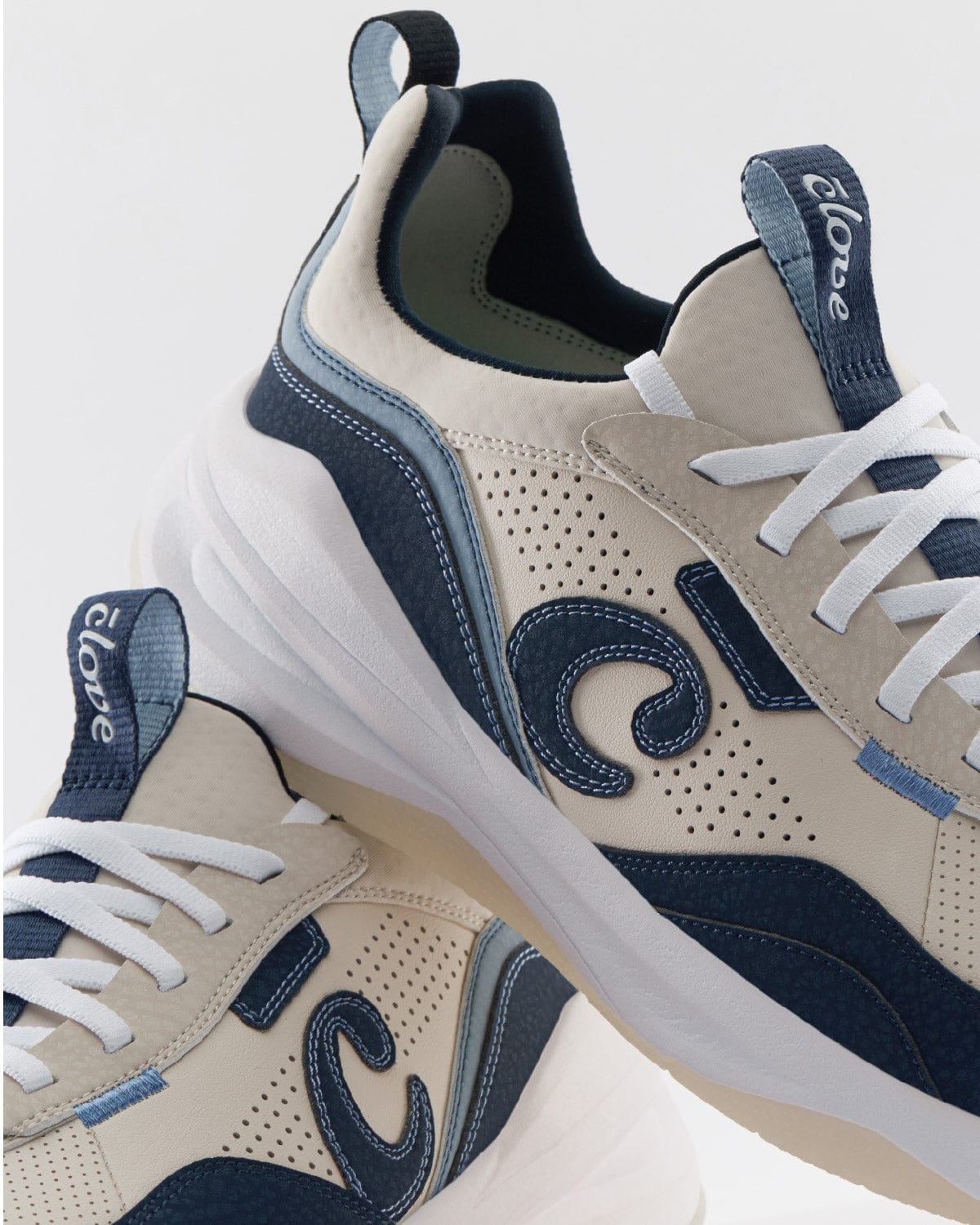
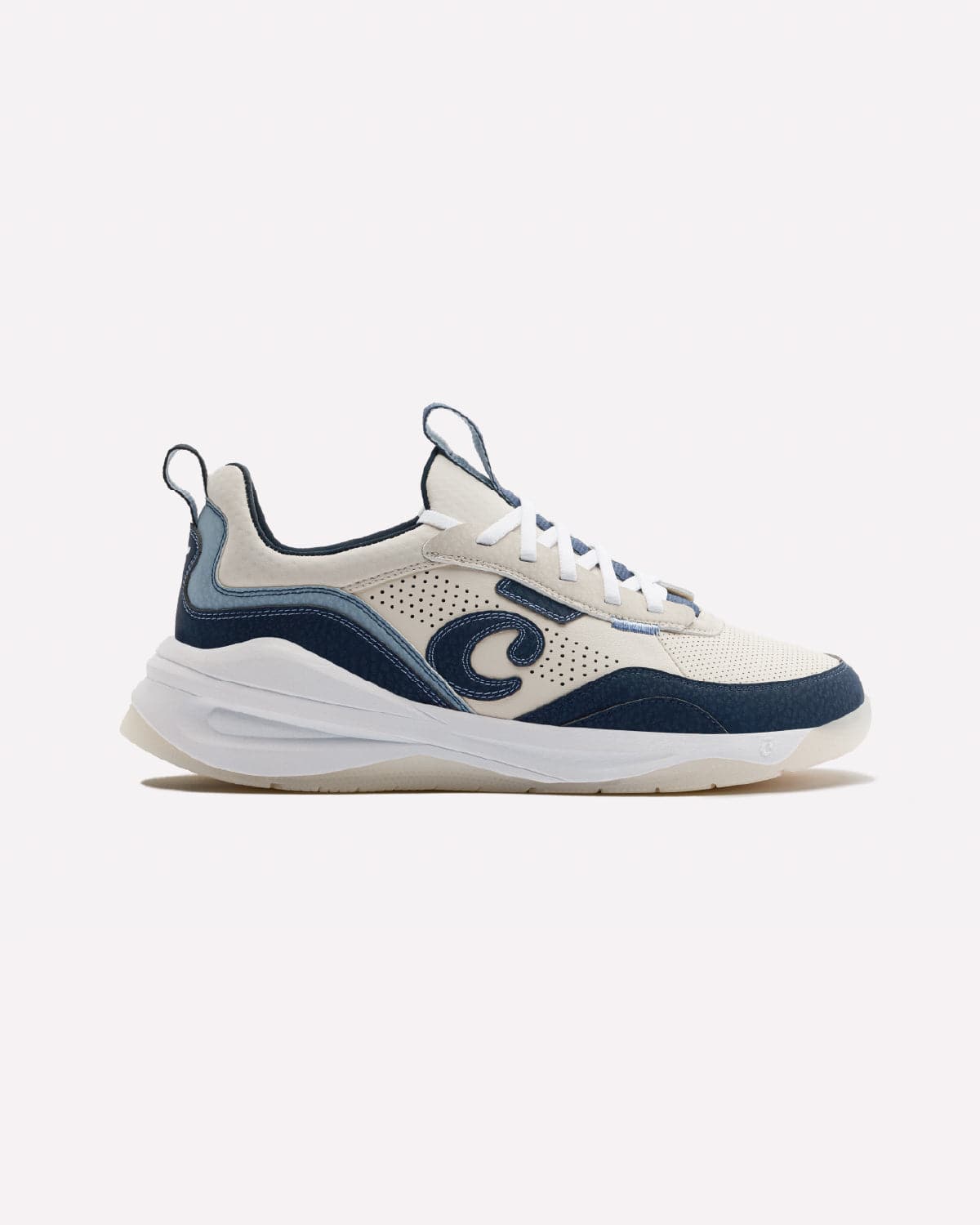


Casual & Clean
Professional & Clean
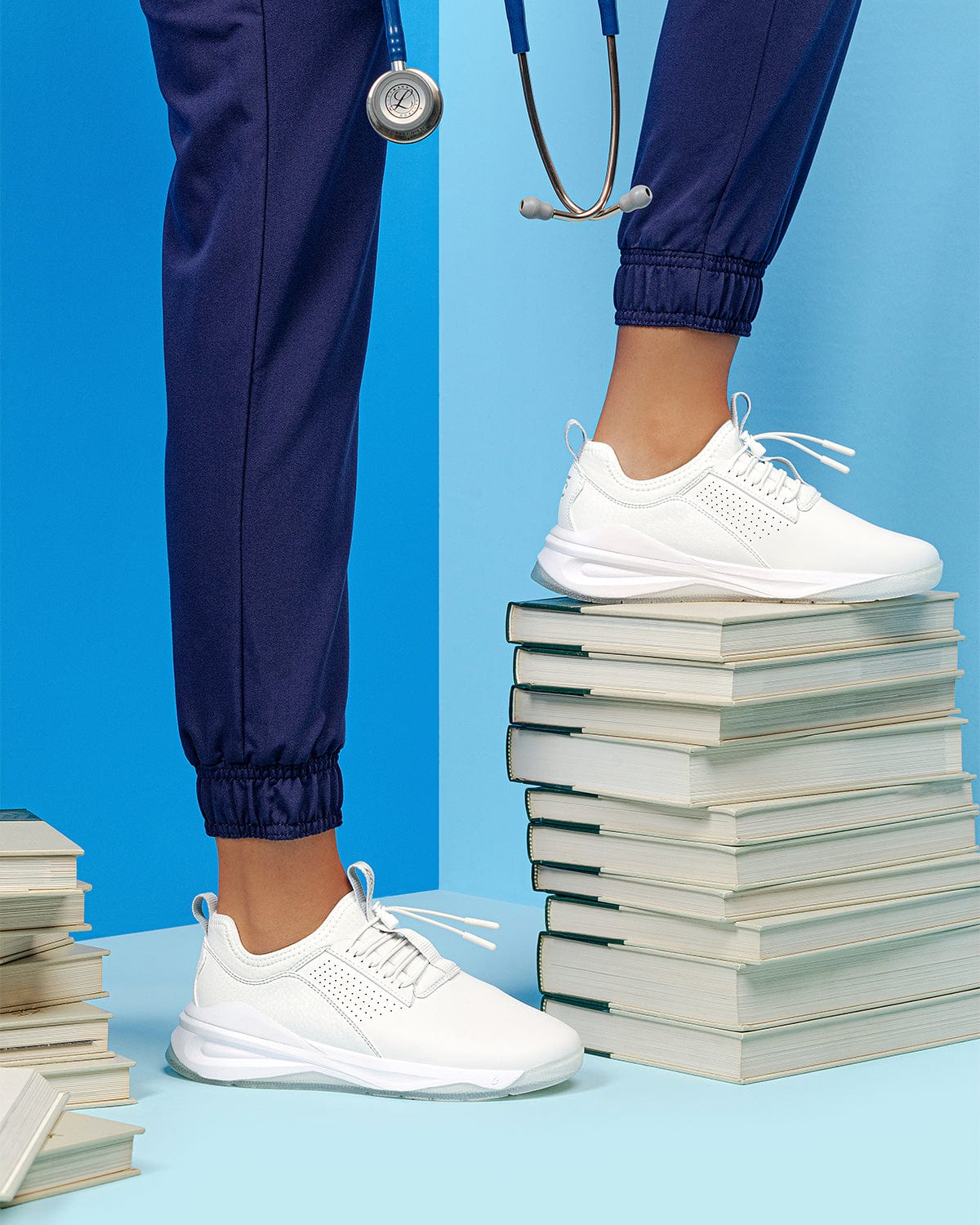
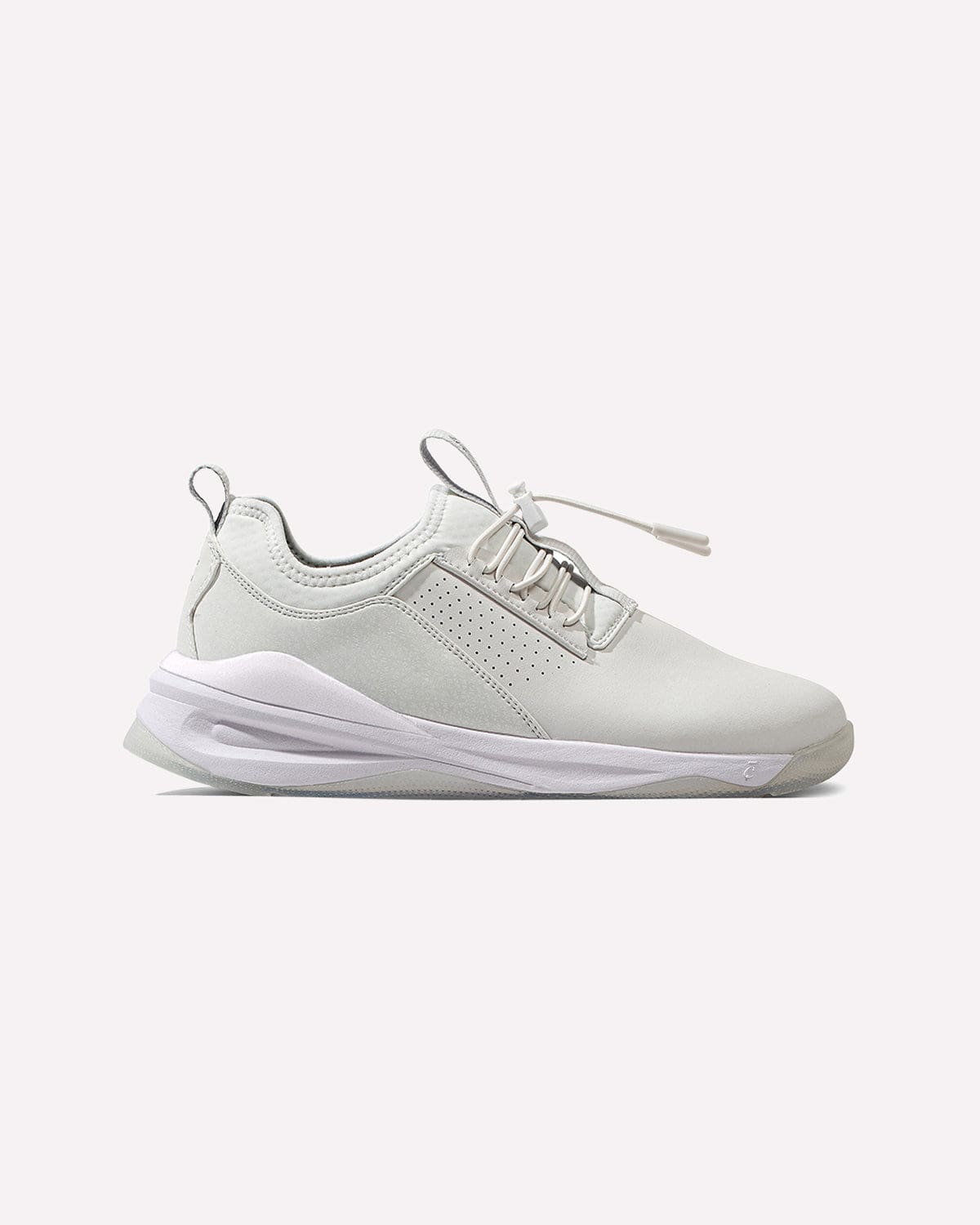


Cushioned & Clean
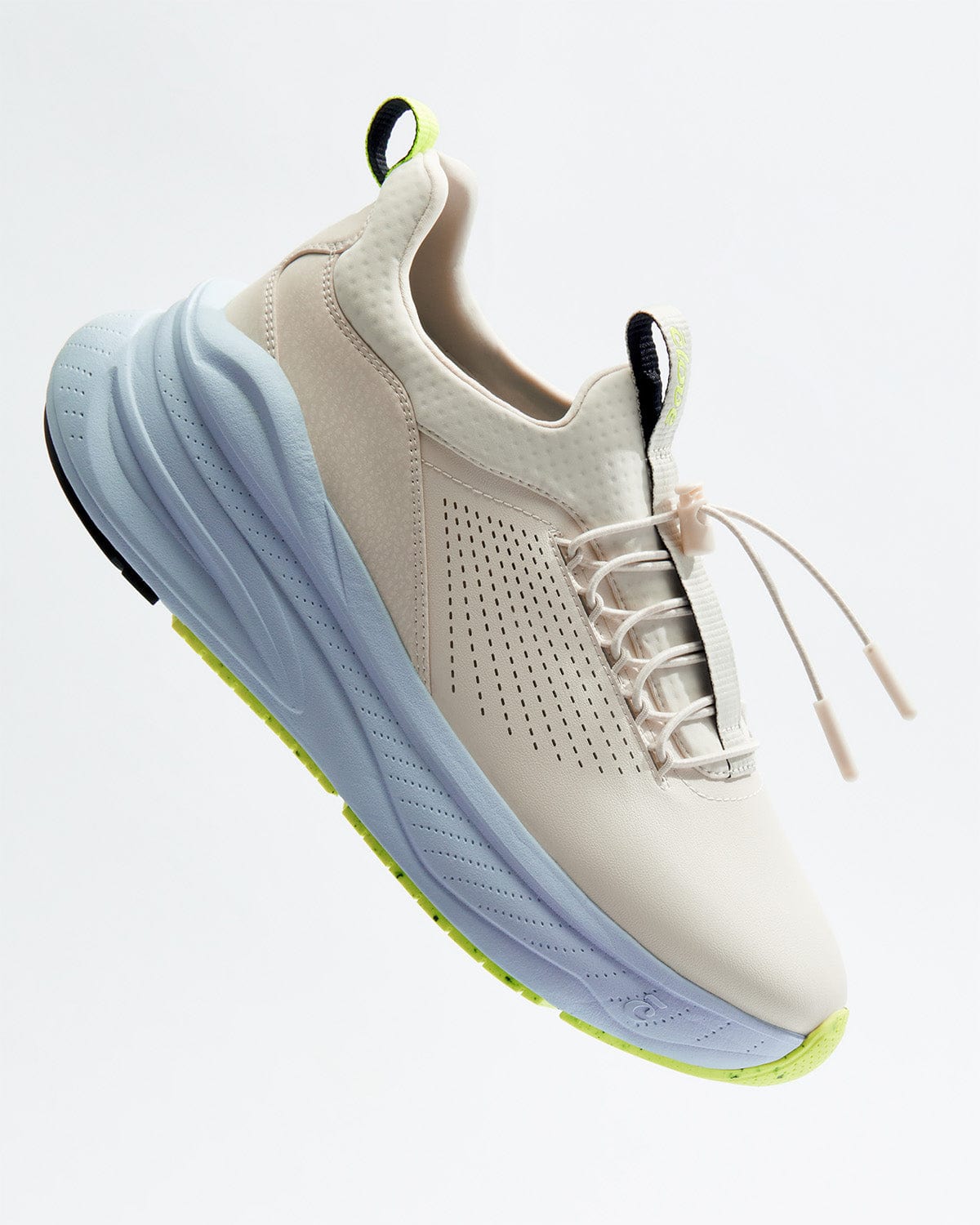
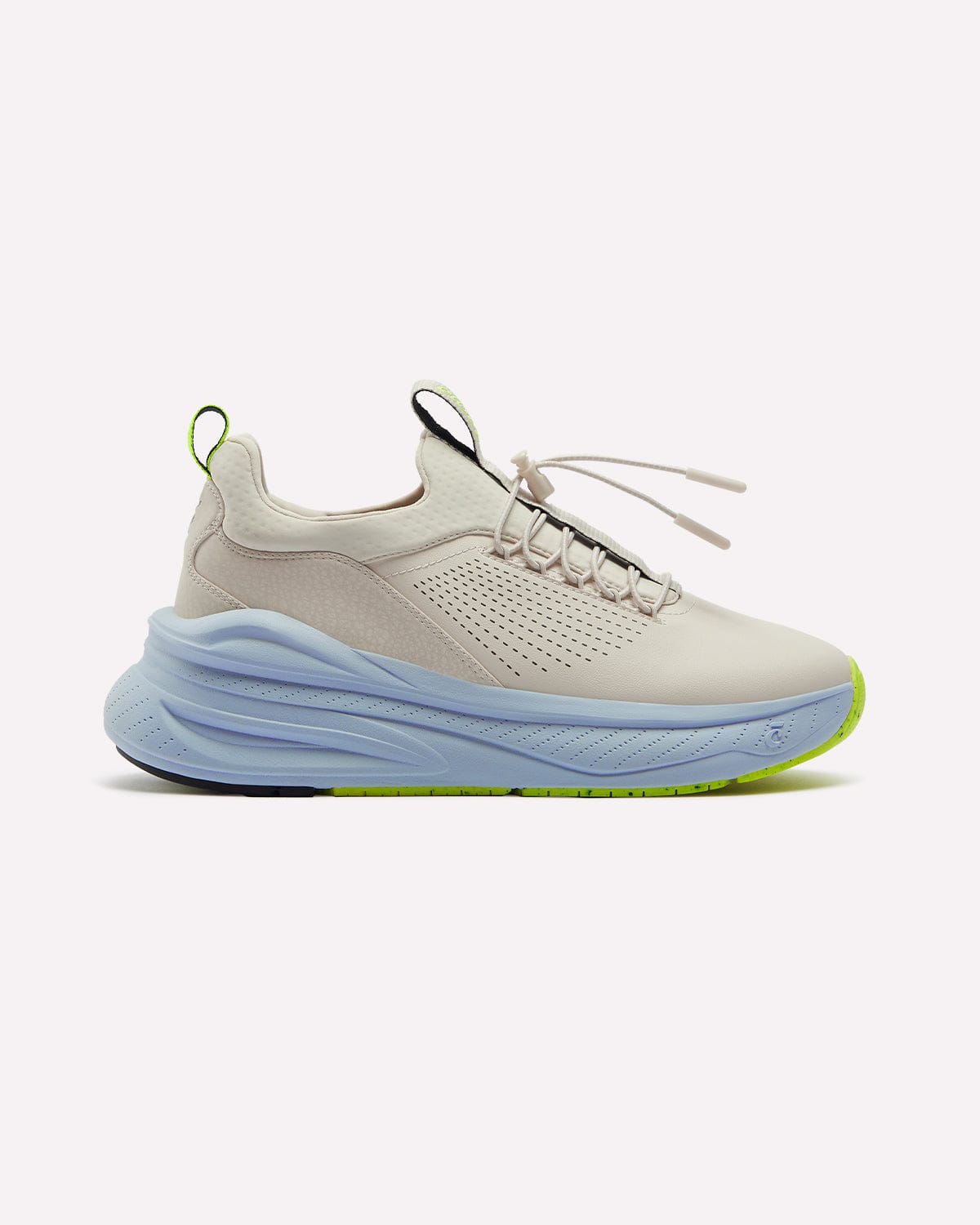


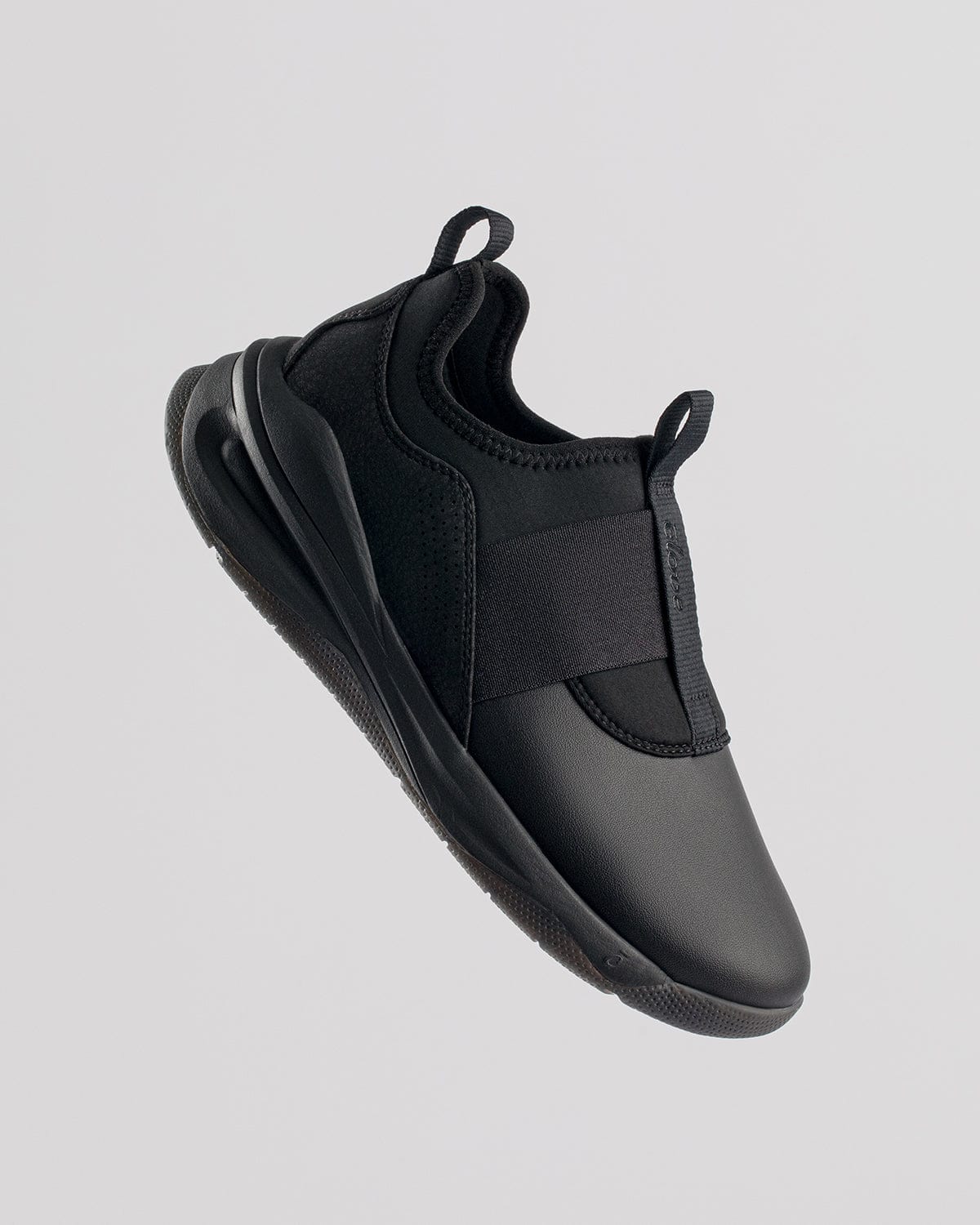
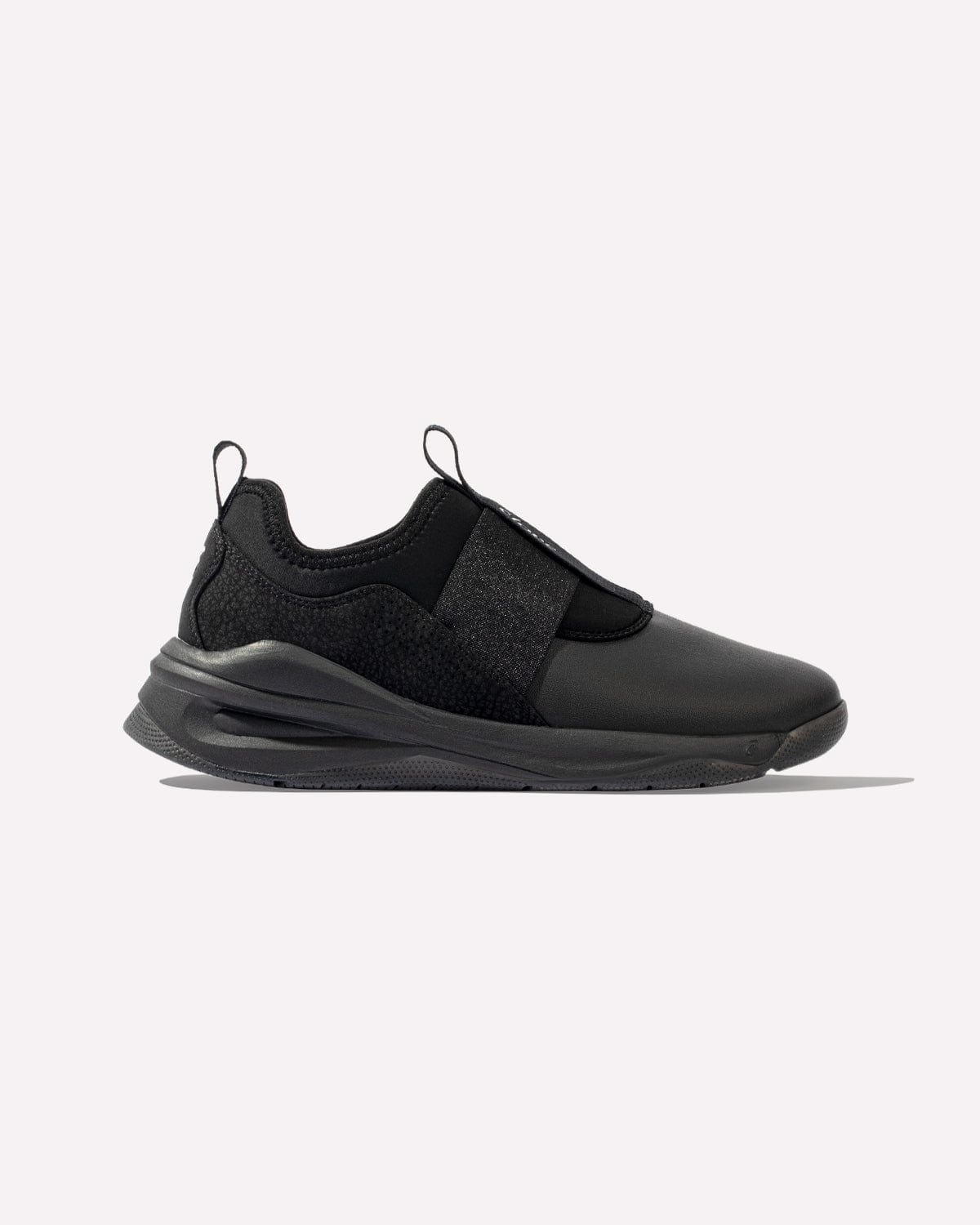


Save $48 when you bundle shoes, socks, and underscrubs!
Shop Now
Discount automatically applied at checkout.
Free socks with purchase of any shoe!
Shop now
Sock selection available in cart.
Free Standard Shipping on all orders over $50.
Shop now
Automatically applied on qualified orders within the US.
$10 OFF Recovery Slides with purchase of any shoe.
Shop Now
Discount automatically applied at checkout.
Sign up for #WithLove Rewards and earn with every purchase!
Sign Up


TL;DR: If your feet ache after every shift, look for nursing shoes that combine real support, long-shift comfort, and slip-resistant outsoles with uppers that are waterproof and wipe-clean. Several Clove styles are built for healthcare work, so spills wipe off fast and the fit feels more like a running shoe than a stiff clog.
Heel pain and arch pain show up fast on clinical floors because you stand, pivot, and walk for hours with few real breaks. Hard surfaces like tile and concrete amplify every step, especially when you are moving room to room and stopping short at bedsides.
Then there is the other stressor: mess. When shoes soak up fluids or stain, you end up trading comfort for cleanability, or you bring a second pair and waste time swapping.
If you are trying to fix plantar fasciitis pain or heel pain, start with a simple goal: reduce what your feet have to fight against for 10-12 hours. You do that by choosing shoes that stay supportive when you are tired, stay stable on wet floors, and stay easy to clean between patients.
If you want a quick comparison of how work shoes differ from running shoes in a hospital setting, see Nursing Shoes Vs Running Shoes and Running Shoes Vs Doctor Shoes.
You do not need a shoe with dozens of buzzwords. You need a short checklist that matches the reality of a long shift.
Plantar fasciitis and heel pain often feel worse when support breaks down as you fatigue. Look for shoes that are designed for long-shift comfort and support, not just soft foam that feels good for the first hour.
Clove shoes are positioned around targeted cushioning and support for long clinical shifts, with a fit that starts from a running-shoe feel and adds work features like fluid resistance and easy cleaning.
In healthcare, grip is a safety requirement, not a nice-to-have. Look for slip-resistant outsoles, and remember that performance varies by surface and wear. Many Clove styles are certified ASTM F3445 slip-resistant, which matters if your workplace checks footwear rules. If you want help sorting the terminology, read non slip vs slip resistant.
If your shoes get soaked or stained on a spill, you end up over-scrubbing, which can shorten shoe life and warp fit over time. Waterproof uppers and wipe-clean finishes let you remove fluids and dirt with a cloth and mild cleaner, so you can clean quickly between patients.
A customer review on the Clove site (paraphrased) puts it plainly: "These shoes kept my feet dry during a long shift and wiped clean after a spill."
When your arches hurt standing on concrete, it is tempting to chase the softest shoe you can find. The problem is that extra softness without stable support can feel good at first and then leave your feet working harder to stay steady as the shift goes on.
A better target is long-shift comfort that stays supportive when you are turning, backing up, and stopping short. That is one reason healthcare work sneakers exist as a category, and why Clove focuses on support plus wipe-clean, waterproof materials rather than a fashion-first build.
You do not need a single "best" shoe for every day. You need the right type for your unit, your spill risk, and what hurts first.
| Option | Best for | Why it helps when your feet ache | Cleanability and safety |
|---|---|---|---|
| Clove work sneakers | Most inpatient and clinic shifts with frequent walking | Designed for healthcare work with long-shift comfort and support, using a sneaker-style fit | Waterproof and wipe-clean across several styles; many styles are ASTM F3445 slip-resistant |
| Clove waterproof boots | High spill exposure, rainy commutes, outdoor walks between buildings | Boot option for healthcare workers who still need support through long hours | Waterproof build with easy cleanup focus |
| Clove recovery slides | After-shift relief and quick changes at home or locker room | Open-back slides designed to relieve foot pressure after long shifts and aid recovery | Not a clinical-floor replacement for slip-resistant work shoes |
| Generic cheap sneakers | Backup pair in a pinch | Can feel fine early, but often wear out fast under repeated cleaning and long-shift use | May soak up fluids and stain; outsole safety rules vary by model |
If you want more context on long shifts, this guide may help you narrow your shortlist: Best Shoes Nurses 12 Hour Shifts.
Do not judge comfort by a 2-minute try-on. Walk, turn, and stop short like you do at work. Pay attention to heel hold and whether your arch feels supported when you shift weight side to side.
If you have flat feet or need more width, start with fit guidance before you buy. These Clove resources are made for that: Nursing Shoes For Flat Feet Fit Guide and Nursing Shoes For Wide Feet Fit Guide.
Repeated soak-and-scrub cleaning can change how many shoes fit over time. Choosing waterproof, wipe-clean materials helps because you can clean the surface without saturating the shoe.
Stick to simple care: wipe down with a cloth and mild cleaner, then let shoes dry fully between shifts.
Some workplaces require slip-resistant footwear. Many Clove styles are certified ASTM F3445 slip-resistant, but you should still check the specific product page for the style you are considering because not every shoe in a lineup has the same certification. If you are unsure what qualifies, how to tell if shoes are slip resistant breaks down what to look for.
Clove sits in a mid-range to premium price range, comparable to popular running shoes. The practical argument is total cost of ownership: shoes built for repeated cleanings and long shift wear usually need replacing less often than cheap sneakers that break down after frequent wipe-downs and heavy weekly mileage.
Clove also sells direct-to-consumer through ecommerce and runs a reward program, which can lower the lifetime cost if you buy again or refer coworkers.
Plantar fasciitis pain tends to flare when support fades over long hours, so the best nursing shoes focus on stable support and long-shift comfort, not just a soft feel in the first hour. Many Clove styles are designed for healthcare work and pair a running-shoe-like fit with support plus slip-resistant outsoles on eligible styles. If spills are part of your day, choosing waterproof, wipe-clean uppers can also reduce how much harsh scrubbing your shoes take between patients.
Concrete and hard tile reward stability, so shoes that combine support with a secure fit usually feel better through a whole shift than shoes that are only extra-soft. Clove work sneakers are built around long-shift comfort and support for clinical walking and standing, with waterproof and wipe-clean materials across several styles. If you have flat feet, using a fit guide before buying can help you avoid a shoe that feels fine at first and then collapses under fatigue.
If your feet ache after every shift, start by picking shoes made for clinical work: slip-resistant, easy to clean, and supportive enough to stay comfortable late in the day. Clove shoes are designed for healthcare workers and are built to be waterproof and wipe-clean across several styles, which matters when you cannot swap shoes after a spill. Narrow your choices to a work sneaker for on-shift and recovery slides for after shift, instead of trying to force one shoe to do both jobs.
Waterproof work shoes are worth it if spills and stains are a weekly problem, because you can wipe them down fast without soaking the upper. Several Clove styles use waterproof, wipe-clean materials so fluids do not sink in the way they can with mesh. If you run warm, consider whether a breathable sneaker style fits your unit better and keep waterproof options for higher-spill days.
Slip-resistant performance can change as the outsole wears, and it also varies by surface and the kinds of fluids you deal with. Many Clove styles are certified ASTM F3445 slip-resistant, which helps with workplace requirements, but you still need to monitor tread wear and replace shoes that no longer feel stable on wet floors. A simple check is whether you notice more sliding during routine turns and quick stops, not just obvious puddles.
The price difference usually comes down to durability under repeated cleaning and long-shift use, not looks. Clove is priced mid-range to premium, comparable to popular running shoes, and is built for healthcare needs like waterproof, wipe-clean materials and shift-ready support. Clove also has a reward program, which can reduce future cost if you plan to repurchase.
The right choice depends on when you need support and when you need easy relief. Clove work sneakers make sense for most shifts because they are made for long-shift comfort, support, and fast wipe-clean care, while Clove waterproof boots fit higher spill exposure and messy commutes. Clove recovery slides are best saved for after shift, since they are designed to relieve foot pressure and aid recovery rather than replace your slip-resistant work shoe.
If heel pain and tired feet are your daily baseline, plan around your real routine. Put your money into one pair of supportive, slip-resistant work shoes that are waterproof and wipe-clean for clinical shifts, then add recovery slides for after shift so your feet get a break at home.
If you want more condition-specific guidance, these Clove resources can help you narrow down what matters most for your feet and your unit: Nursing Shoes For Plantar Fasciitis Guide, What To Look For In Plantar Fasciitis Shoes, and Nursing Shoes Knee Pain.
